Backwater Valves & Sump Pumps: Toronto Basement Flood Protection
Basement flooding Toronto homeowners face is not just a possibility; for thousands of households across the GTA, it's a recurring nightmare causing tens of thousands of dollars in damage, destroyed possessions, and mould remediation costs. The good news is that backwater valve Toronto installation combined with proper sump pump installation Toronto delivers comprehensive protection against the two most common flooding causes. This guide explains how both systems work, which one you need, and how to take advantage of Toronto's subsidy program, up to $3,400, to offset installation costs.
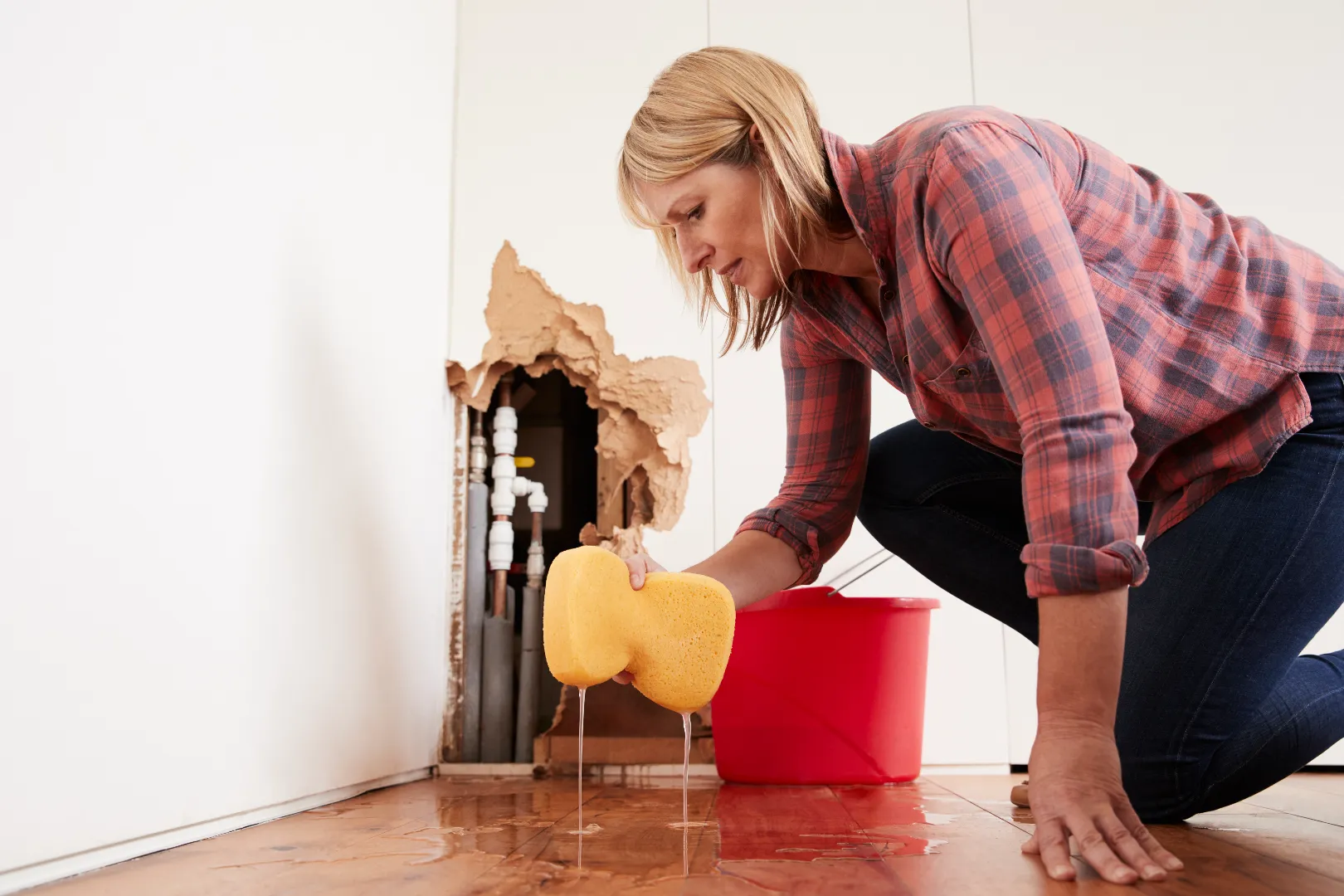
Why Toronto Basements Are So Vulnerable to Flooding
Toronto has one of the oldest and most strained sewer systems in North America. Much of the city's core relies on a combined sewer system, a single pipe that handles both stormwater runoff and household sewage simultaneously. This system was designed for the city's population decades ago, and during heavy rainfall events, it is routinely overwhelmed.
When the combined sewer system surcharges, meaning it fills beyond its capacity, sewage has nowhere to go but backwards. It flows upstream through the sewer lines and into the lowest point of connected homes: the basement floor drain, the washing machine drain, or the toilet. This is sewer backup flooding, and it's devastating not just because of the water but because of what's in that water.
Toronto's geography compounds the problem. Much of the city sits on former lakebed clay, a soil type that absorbs water slowly and can become fully saturated during prolonged rain events or during spring snowmelt. Once the ground reaches saturation, there's no more absorption capacity, and groundwater migrates horizontally until it finds the path of least resistance: often, the walls and floor of your basement. Comprehensive basement waterproofing in Toronto addresses this soil-driven intrusion at the foundation level.
Climate data shows that extreme rainfall events in Toronto have increased in frequency over the past two decades. The July 2013 storm that dumped 126mm of rain in a single afternoon flooded over 3,300 basement across the city. Similar events in 2018 and 2023 again demonstrated that Toronto's aging infrastructure simply cannot handle what modern weather patterns are delivering.
What Is a Backwater Valve and How Does It Work?
A backwater valve, also called a backflow valve or sewer backup valve, is a mechanical device installed in your home's main sewer line, typically in the basement floor. Its sole purpose is to prevent sewage from flowing backwards into your home when the city sewer system surcharges.
The device operates on a beautifully simple principle. Under normal conditions, wastewater flows out of your home and into the city sewer in one direction. The backwater valve remains open, allowing this normal outflow. When the city sewer backs up and sewage begins flowing in the reverse direction, towards your home, a floating flap inside the valve is pushed closed by the reverse flow pressure. The flap seals shut, and the sewage cannot enter your basement.
Modern backwater valves use a PVC or ABS body with a corrosion-resistant flap mechanism. They include a cleanout access port so plumbers can inspect and service the valve without excavation. Most are installed in the main sanitary sewer line where it exits the basement, though some installations place the valve further downstream. In Toronto, all backwater valve installations must comply with the Ontario Building Code and be performed by a licensed plumber.
One important consideration: when the backwater valve is closed, wastewater from inside your home also cannot drain out. This means that during a sewer backup event, you should minimize water use inside the home while the valve is protecting you. The valve is a passive device that doesn't require power to operate, which is a significant advantage over mechanical systems. Keeping your drain lines clear with regular drain cleaning in Toronto also reduces the debris load on the valve's flap mechanism.
What Is a Sump Pump and How Does It Work?
A sump pump addresses a completely different type of flooding: groundwater intrusion. Rather than preventing sewage from coming in through the drains, a sump pump actively removes water that has already entered the ground around and beneath your foundation.
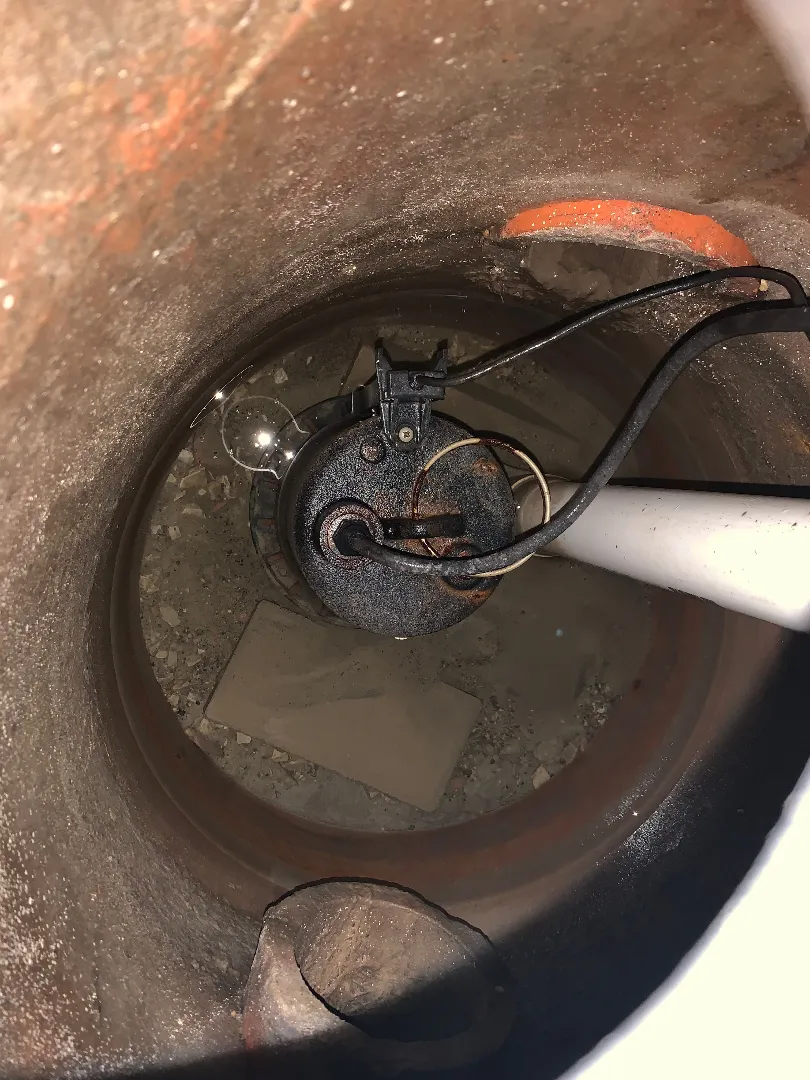
The system works as follows: a sump pit, a small cylindrical reservoir typically 60cm deep and 45cm in diameter, is excavated through the basement floor at the lowest point, often in a corner. Perimeter drain tile (weeping tile) channels groundwater from around the foundation into this pit. When the water level in the pit rises to a set point, a float switch activates the sump pump motor, which forces the water out through a discharge pipe that exits the home and drains away from the foundation.
Modern submersible sump pumps are reliable, quiet, and long-lasting. They sit inside the sump pit and operate automatically without any homeowner intervention during normal conditions. Battery backup sump pumps, an essential addition in Toronto given the frequency of power outages during the same storms that cause flooding, activate automatically if the power fails or if the primary pump is overwhelmed by high inflow volume.
Sump pump systems are particularly valuable in Toronto homes built on clay-heavy soil, homes with below-grade living spaces, and properties located in low-lying areas or near ravines where the water table is naturally higher.
Backwater Valve vs. Sump Pump: Which Do You Need?
This is the most common question Toronto homeowners ask, and the answer is: they protect against different problems, so many homes genuinely need both.
- Backwater valve protects against: Sewer backup flooding, where sewage comes up through floor drains, toilets, and other drain points connected to the city sewer system. This is caused by the city sewer surcharging during heavy rain events.
- Sump pump protects against: Groundwater intrusion, where water seeps through foundation walls and floor, driven by saturated soil and a high water table. This can happen independently of what the city sewer system is doing.
If your basement has flooded with sewage, dirty foul-smelling water coming up through the floor drain, you need a backwater valve. If your basement floods with relatively clean water that seems to seep in through the walls or floor during heavy rain or spring thaw, you need a sump pump. If both have happened, or if you're in a neighbourhood that experiences both types of events, the full protection package includes both a backwater valve and a sump pump system.
A licensed Toronto plumber can assess your specific basement, review your flood history, and recommend the appropriate system based on your home's characteristics and location. If flooding has already occurred, call an emergency plumber in Toronto immediately to contain the damage before planning longer-term flood protection.
The City of Toronto Basement Flooding Protection Subsidy Program
Toronto homeowners have a significant financial incentive available to them: the City of Toronto Basement Flooding Protection Subsidy Program. This program provides financial assistance to eligible homeowners who install flood protection devices to prevent basement flooding caused by sewer backup.
The subsidy covers up to 80% of eligible costs, to a maximum of $3,400 per property. Eligible installations include backwater valves, sump pump systems with weeping tile, and severance of downspout connections from the sewer system. To qualify, the work must be performed by a licensed plumber, permits must be obtained, and the installation must be inspected and approved by a City inspector.
The program has been extremely popular and has helped thousands of Toronto homeowners install flood protection that might otherwise be financially out of reach. It's worth noting that the subsidy is not available for properties that have never experienced basement flooding or that have not had a flood risk assessment, so check the current eligibility requirements with the City when planning your installation.
Your licensed plumber should be familiar with the subsidy process and can often help you navigate the permit and inspection requirements. Ask specifically about subsidy eligibility when getting your quote.
How Much Does Backwater Valve Installation Cost in Toronto?
Backwater valve installation in Toronto typically costs between $1,000 and $2,500, depending on several factors:
- Pipe location and accessibility: If the main sewer line is easily accessible through the basement floor, costs are at the lower end. Deeper pipes, concrete floor thickness, and difficult access increase costs.
- Permit fees: A building permit is required in Toronto for backwater valve installation. Permit fees are typically $200–$400 depending on the scope of work.
- Valve type: Standard gate-style backwater valves are less expensive than premium models with inspection windows or remote monitoring capabilities.
- Concrete cutting and restoration: The plumber will need to cut through the basement floor concrete to access the sewer line, then repair the concrete after installation.
After applying the City of Toronto subsidy (up to $3,400), many homeowners find that the net cost of backwater valve installation is substantially reduced or even fully covered. Get at least two licensed plumber quotes and confirm that the contractor is familiar with the subsidy application process.
How Much Does Sump Pump Installation Cost in Toronto?
Sump pump system installation in Toronto ranges from $800 to $2,500 for a basic system, with costs increasing significantly if new weeping tile must be installed around the foundation perimeter.
- Basic sump pit and pump installation: $800–$1,200 if a sump pit already exists or can be excavated easily
- New sump pit excavation: Add $400–$700 for cutting through the basement floor and excavating the pit
- Battery backup system: An additional $400–$800, but strongly recommended given Toronto's storm-related power outages
- Interior weeping tile system: $5,000–$15,000 for a full perimeter drainage system, a major project but often the most comprehensive groundwater solution
- Discharge line routing: Cost varies based on how far the discharge pipe must run to reach an appropriate drainage point away from the foundation
Signs Your Basement Flooding Protection Is Failing
Both backwater valves and sump pumps require periodic inspection and maintenance. Watch for these warning signs:
- Backwater valve: The valve flap becomes stuck open or closed due to debris accumulation; slow drains throughout the home suggesting the valve is partially closed; water damage around the valve cleanout; visible corrosion or cracking of the valve body
- Sump pump: The pump runs continuously or cycles on and off rapidly; unusual grinding or humming noises; water remains in the pit above the activation level; the pump doesn't activate during a rainstorm; rust or visible corrosion on pump components; the battery backup fails its test cycle
- General warning signs: Efflorescence (white mineral deposits) on basement walls indicating water infiltration; musty or mildew odours in the basement; visible dampness on floor or walls after rain events
When to Have Both a Backwater Valve AND a Sump Pump
Many Toronto homes benefit from having both systems installed, as they address different but equally real flooding risks. Consider the full protection package if:
- Your neighbourhood has a history of both sewer backup events and groundwater flooding
- Your home sits in a low-lying area or near a ravine or creek
- Your basement has previously flooded from more than one source
- You have a finished basement with significant investment to protect
- You are planning to rent out or sell the basement as a secondary suite
- Your home's foundation is older and shows evidence of water infiltration
Maintenance Requirements for Backwater Valves and Sump Pumps
Both systems need regular maintenance to perform reliably when it matters most.
Backwater valve maintenance:
- Inspect and clean the valve every 6–12 months: open the cleanout cover, check the flap moves freely, and remove any debris (wipes, grease, solids) that may have accumulated
- Test the valve by having a plumber confirm the flap seals properly and the mechanism operates smoothly
- Never flush wipes, paper towels, or other non-dispersible items, as these are the most common cause of backwater valve fouling
Sump pump maintenance:
- Test the pump quarterly by pouring water into the sump pit until the float activates
- Clean the pump intake screen annually to remove sediment and debris
- Test the battery backup system every 6 months by unplugging the primary pump and confirming the backup activates
- Replace sump pump every 7–10 years proactively; don't wait for failure during a storm
- Inspect discharge line annually to confirm it isn't blocked, frozen, or discharging too close to the foundation
Frequently Asked Questions
What causes basement flooding in Toronto?
Toronto basements flood from two main sources: sewer backup (when the city's combined sewer system surcharges during heavy rain, pushing sewage backwards into homes) and groundwater intrusion (when saturated clay soil drives water through foundation walls and floor). Both are worsened by Toronto's aging infrastructure, increasing extreme weather events, and the city's geography. The right protection depends on which type of flooding your home experiences.
Does Toronto have a subsidy for backwater valves?
Yes. The City of Toronto Basement Flooding Protection Subsidy Program offers eligible homeowners up to $3,400 (80% of eligible costs) toward the installation of flood protection devices including backwater valves, sump pump systems, and downspout disconnections. The work must be done by a licensed plumber with proper permits and City inspection. Check current eligibility requirements with the City of Toronto or ask your plumber, as program details can change.
How often should a sump pump be replaced?
Most sump pumps have a service life of 7–10 years with proper maintenance. Rather than waiting for failure during a storm, proactive replacement at the 7–10 year mark is strongly recommended. Signs of impending failure include unusual noises, frequent on-off cycling, the pump running but not removing water effectively, and visible rust or corrosion. Always keep a battery backup pump installed as insurance against primary pump failure.
Can I install a backwater valve myself in Ontario?
No. In Ontario, backwater valve installation requires a building permit and must be performed by a licensed plumber. The installation involves cutting into the main sewer line, work that must meet Ontario Building Code requirements and be inspected by a City building inspector. Attempting DIY installation would violate the permit requirement, void any City subsidy eligibility, and potentially create a sewer connection that doesn't meet code, which could cause liability issues when you sell your home.
Will basement waterproofing affect my home insurance?
Installing a backwater valve and sump pump can positively impact your home insurance. Many insurers offer discounts for homes with certified flood protection devices installed, as the risk of sewer backup claims is substantially reduced. More importantly, some insurance policies reduce or eliminate coverage for sewer backup losses in high-risk areas for homes without backwater valves installed. Contact your insurer after installation to report the improvements and ask about applicable discounts or coverage changes.
Still Have a Backwater Valve Installation Problem in Toronto & GTA?
Describe your backwater valve installation issue below and a licensed Toronto & GTA plumber will call you back in under 15 minutes. No answering service, no voicemail.
- Licensed & Insured Master Plumbers
- 60-Minute Emergency Response in Toronto & GTA
- Real Plumber Answers, No Answering Service
- Upfront Pricing Before Any Work Begins
- 24/7 Service, 365 Days a Year Including Holidays
Limited Same-Day Spots Available Today
Our dispatch fills quickly. Submit now to secure your slot.
Get a Free Quote in 15 Minutes
Takes 30 seconds to fill out. We'll do the rest.