Smell Gas? Evacuate immediately. Do NOT switch lights on or off.
Call 911 and Enbridge Gas at 1-877-362-7434. Then call us at (289) 514-1836 once you are safely outside.
Gas Line Services Toronto
Gas leaks are a life-safety emergency. All other gas line work, from connecting a new stove to running a BBQ line, requires a TSSA-licensed gas fitter under Ontario law. Our gas line services Toronto licensed technicians serve the GTA with 24/7 response, pulling all required permits and coordinating mandatory TSSA inspections on every job.
Gas Line Services We Offer in Toronto & GTA
Emergency Repair Plumbers provides the full range of residential and light commercial gas line services Toronto across Scarborough, North York, Etobicoke, Mississauga, Brampton, and the broader GTA. Every job is performed by a TSSA-licensed gas fitter, because in Ontario, that is not optional. If you suspect a gas leak Toronto situation, call 911 and Enbridge immediately, then contact us for licensed gas line repair Toronto work. Under the Technical Standards and Safety Authority (TSSA) regulations, all gas work must be carried out by a licensed technician. DIY gas work is illegal in this province, and under Ontario Regulation 212/01, it is a violation of the Technical Standards and Safety Act regardless of the scope of the work.
New Gas Line Installation
We design and install new gas lines for any application, including running a dedicated line for a new gas stove, extending service to a backyard BBQ, adding a line for a new furnace or water heater, or installing a gas fireplace line. Every installation is designed to code, pulled with a permit, and inspected by the TSSA before the gas is turned on.
Gas Leak Detection & Repair
Gas leaks demand immediate response. We use electronic gas sniffers, pressure drop testing, and manual soapy-water methods to pinpoint leaks precisely. Once located, we repair or replace the affected section of pipe or fitting, pressure test the repaired line, and coordinate with Enbridge Gas for reconnection of service.
Appliance Gas Hookups
We connect gas appliances safely and to code: gas stoves, gas dryers, gas fireplaces, furnaces, water heaters, and outdoor BBQ connections. All connections use approved fittings and flexible connectors, pressure-tested before the appliance is placed into service. We handle all required permits and TSSA sign-offs.
Gas Line Extensions & Modifications
Need to extend an existing gas line to a new location, such as a kitchen island, a room addition, or a relocated appliance? We design and build gas line extensions using black iron pipe or CSST (Corrugated Stainless Steel Tubing) flex tubing, both approved for use in Ontario residential applications under the Gas Distribution Code.
Pressure Testing & Gas Inspections
All gas line work requires a pressure test before the system is placed back into service. We perform TSSA-compliant pressure tests on new and repaired gas lines and arrange mandatory gas inspections by the TSSA on all permitted gas work. We provide all documentation required by your insurer and the authority having jurisdiction.
Gas Meter Relocation
Relocating your gas meter, common during home renovations, additions, or landscaping projects, requires coordination with Enbridge Gas and a licensed gas fitter to modify the service connection and interior piping. We manage the entire process from Enbridge application through permit, modification, and final inspection.
Ready to schedule gas line service? Call us at (289) 514-1836. Available 24/7 for gas leaks, next-day scheduling for installations and hookups across the GTA.
Why Ontario Law Requires a Licensed Gas Fitter
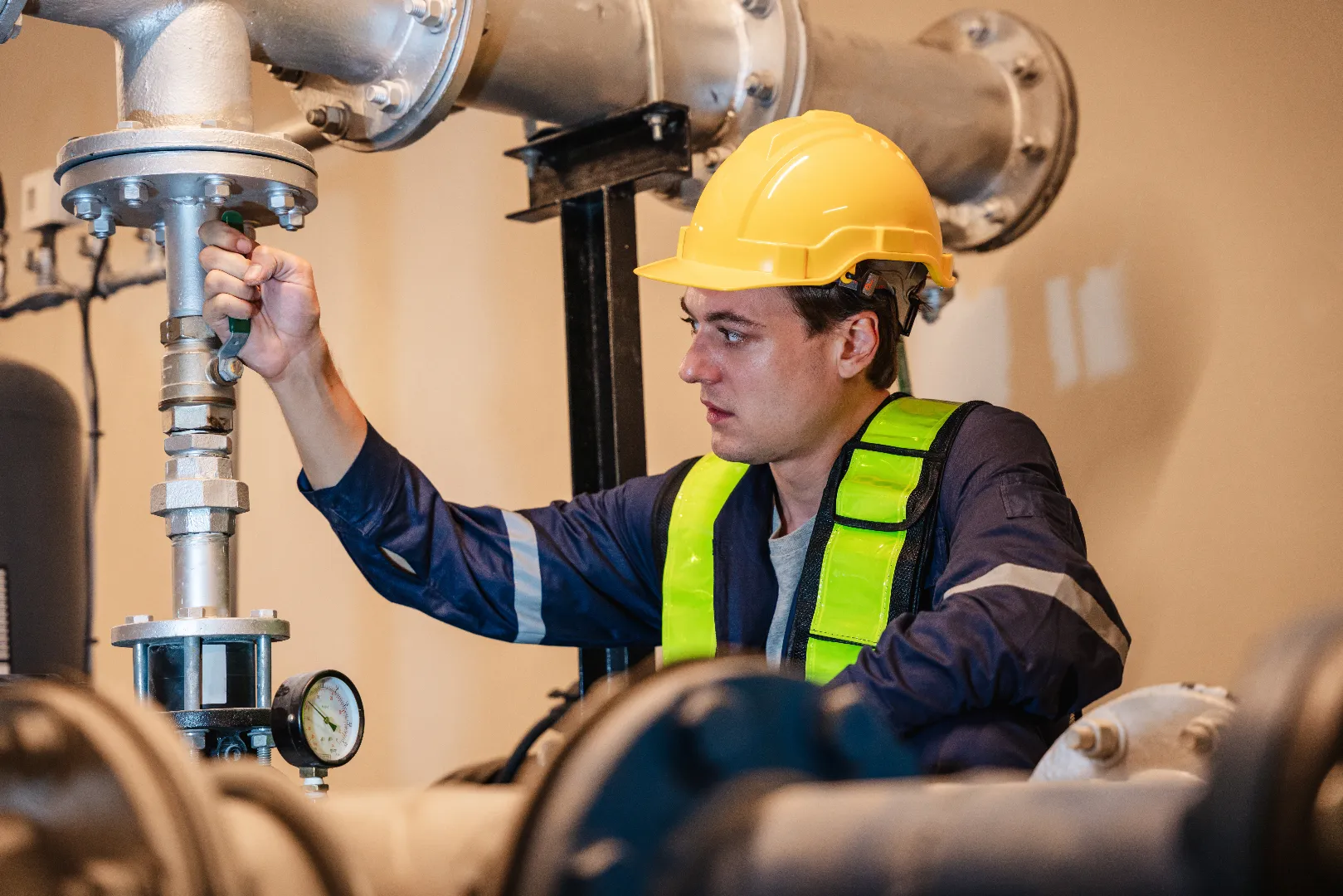
Unlike many home improvement tasks, gas line work in Ontario carries legal requirements that cannot be ignored or worked around. The Technical Standards and Safety Authority (TSSA) is the provincial regulator responsible for overseeing gas safety in Ontario under the Technical Standards and Safety Act and Ontario Regulation 212/01. Any person who performs gas line work without a valid TSSA gas technician licence is committing an offence under provincial law, regardless of their experience level or the apparent simplicity of the task. The reason for this requirement is not bureaucracy; it is physics. Gas leaks kill people. The same licensing discipline applies to the pipe repair work that often accompanies gas line modifications. Our plumbers are dual-qualified for both.
TSSA Licensing Requirements: G1 and G2
In Ontario, gas work must be performed by a technician holding either a G1 or G2 gas technician licence issued by the TSSA. G2 licence holders are qualified to work on natural gas systems up to a specified complexity and BTU rating; G1 licence holders can perform all gas work including design and installation of complex commercial systems. All our gas technicians hold current TSSA G2 licences at minimum, and we can provide G1-licensed technicians for larger projects on request. Licence numbers are available for verification through the TSSA's public licence lookup at any time.
Insurance Implications of Unlicensed Gas Work
If you have gas work performed by an unlicensed person and a fire, explosion, or carbon monoxide incident results, your home insurance policy will almost certainly deny the claim in full. Ontario home insurers require that all gas work be performed by a licensed contractor, the same standard that exists for electrical work under the Electrical Safety Authority. An unlicensed gas connection that triggers a catastrophic incident could leave you bearing the full financial and, in some circumstances, criminal liability personally. Do not accept any gas line work from a contractor who cannot provide a current TSSA licence number before the job starts.
Permits and Mandatory TSSA Inspections
Most gas line work in Ontario requires a permit and a mandatory TSSA inspection before the gas is restored to the new or repaired line. Our licensed technicians pull all required permits before beginning work and schedule the mandatory TSSA inspection on completion. This documentation matters when you sell your home. A property with unpermitted gas work can face serious complications at closing, including requirements to bring all gas work up to current code at the seller's expense before the transaction can proceed. We handle every step of the permitting and inspection process as part of every job.
The Safety Case: Why These Rules Exist
Natural gas is colourless and odourless in its raw form. The rotten-egg smell is mercaptan, a sulphur compound deliberately added by Enbridge Gas so people can detect leaks. A gas line connected with the wrong fittings, improper thread sealant, or without a pressure test can leak at concentrations too low to smell immediately but sufficient to accumulate in an enclosed basement, kitchen, or utility room and ignite from a pilot light, water heater, furnace ignition, or electrical spark. The result can be catastrophic and irreversible. Licensed gas fitters understand approved materials, fitting types, required test procedures, minimum clearances, and the code requirements that exist precisely because the cost of a mistake is a life.
Ontario Regulation 212/01: Gas Distribution
Under Ontario Regulation 212/01 (Gas Distribution Regulation) made under the Technical Standards and Safety Act, all gas installation and alteration work must be performed by a licenced gas technician. Violations can result in provincial fines and, in the event of a gas incident, criminal liability. This applies to all work on a gas system, including connecting an appliance, changing a fitting, or running a new branch line. When evaluating any gas line contractor, ask for their TSSA licence number and verify it at tssa.org before work begins.
Gas Leak Detection & Emergency Repair in Toronto
A gas leak Toronto call is the most urgent type of work we receive, and we treat it that way. Our GTA dispatch target for gas leak Toronto calls is 60 minutes from the time you contact us, because the risk of fire, explosion, or carbon monoxide poisoning makes response time a life-safety issue. Gas leak calls and gas line repair Toronto jobs are handled as emergency plumbing with the same priority as burst pipes and active flooding. If you suspect a gas leak in your Toronto home, follow the steps below and call us at (289) 514-1836 as soon as you are safely outside the building.
If You Smell Gas: Do This Now
- 1.Leave immediately. Do not stop to gather belongings. Get everyone, including pets, out of the building now. Leave doors open as you exit to help ventilate.
- 2.Do not operate any electrical switches, lights, or devices. Do not start your car in an attached garage. Do not use your phone until you are outside. Even a light switch spark can ignite accumulated gas.
- 3.Call 911 from outside or from a neighbour's home, not from inside the building.
- 4.Call Enbridge Gas at 1-877-362-7434. Enbridge will dispatch an emergency crew to shut off your gas supply at the meter and confirm the building is safe.
- 5.Call Emergency Repair Plumbers at (289) 514-1836 once you are safely outside. We will dispatch a TSSA-licensed gas fitter to locate and repair the leak after Enbridge has secured the gas supply.
How We Detect Gas Leaks
Electronic Gas Sniffers
Our technicians carry calibrated electronic combustible gas detectors that identify natural gas concentrations well below the lower explosive limit (LEL), finding leaks that are too small to smell but still dangerous if they accumulate in an enclosed space over time.
Soapy Water Testing
Applied directly to fittings, joints, and connections, a soapy-water solution creates visible bubbles wherever gas is escaping, a reliable confirmatory method for pinpointing the exact location of a suspected leak at a threaded joint or flex connector.
Pressure Drop Testing
We isolate sections of the gas distribution system and monitor for pressure decay over a defined test period. A pressure drop confirms a leak exists within that section; the testing procedure is repeated on sub-sections to narrow the leak location for targeted repair.
Common Leak Locations in GTA Homes
The flexible connectors behind stoves and dryers corrode and fail over time. Uncoated brass flex connectors used before 1990 are particularly prone to stress-corrosion cracking, a leading cause of residential gas leaks in older Toronto homes.
Black iron pipe fittings in damp basements and utility rooms corrode at threads where moisture concentrates. A corroded fitting can develop a slow leak that accumulates in an enclosed space over hours before reaching detectable levels.
The connection between the supply line and an appliance is one of the most common leak points, especially after appliances have been moved, kitchens renovated, or new appliances installed without a licensed gas fitter completing the hookup.
Exterior underground gas lines to BBQs or fire pits can shift due to Toronto's freeze-thaw cycle and develop leaks at joints. Dead or yellowing vegetation running in a line across your yard can indicate an underground gas leak below the surface.
After Enbridge Shuts Off Your Gas
Once Enbridge Gas has shut off your gas supply and confirmed the building is safe to re-enter, our licensed gas fitter arrives, locates the exact source of the leak using the detection methods above, repairs or replaces the affected pipe or fitting, performs a TSSA-compliant pressure test on the repaired section, and coordinates directly with Enbridge for gas reconnection and restoration of service. We keep you informed at every step and aim to have your gas restored in a single visit for the vast majority of residential leak repairs across the GTA.
New Gas Line Installation: Stoves, Fireplaces & More
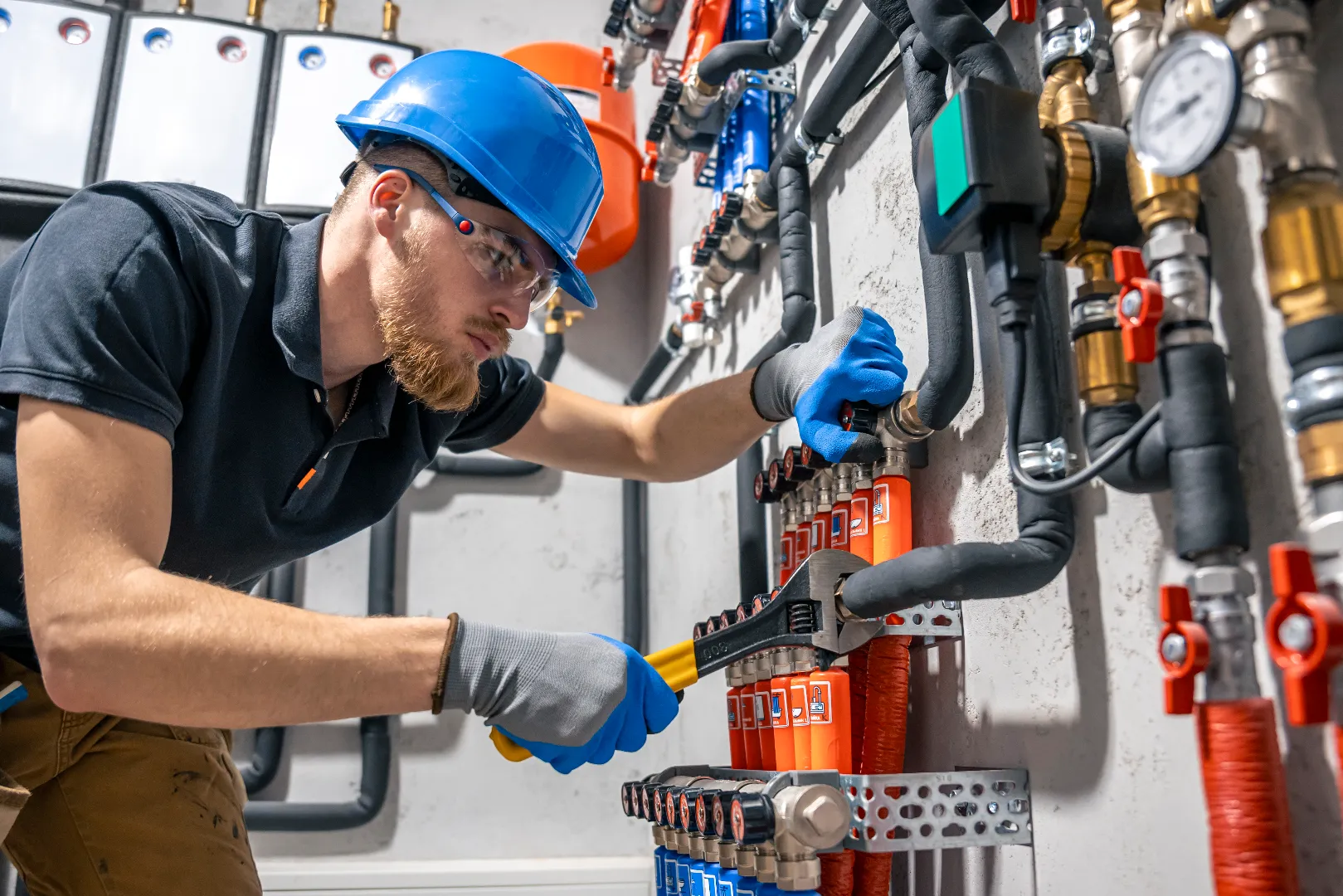
Converting an electric appliance to gas, adding a gas fireplace, or running a line for a new furnace or water heater are among the most popular gas line installation projects we handle across the GTA. Natural gas offers meaningful advantages over electric in many applications: lower operating cost per BTU, faster and more consistent heat, and the continued operation of gas appliances during electrical outages (where the appliance has a standing pilot or battery ignition). Installing a new gas line is a predictable, well-defined process for a licensed gas fitter, and the investment frequently pays back within two to four years in reduced energy costs compared to equivalent electric appliances.
Common New Gas Line Projects in GTA Homes
- → Electric-to-gas stove conversion: One of our most frequent requests across Toronto and the GTA. Converting a kitchen from electric to gas requires running a new dedicated 1/2" or 3/4" gas line to the range location, installing a shut-off valve behind the stove, and connecting with a CSA-approved flex connector.
- → Gas fireplace installation: Adding a direct-vent or insert gas fireplace requires routing a gas line to the fireplace location, typically from the basement up through the wall cavity or under the floor. Permits and TSSA inspection are required before the fireplace is used.
- → New furnace or water heater: High-efficiency condensing furnaces and tankless water heaters may require an upgraded gas line diameter to meet higher BTU demand. We assess the existing supply line sizing and upgrade if required as part of the installation.
- → Gas dryer hookup: Converting from electric to gas dryer requires a 1/2" gas line to the laundry area with a shut-off valve and flexible connector. Most standard laundry room installations are a half-day job for our licensed gas fitter.
- → Outdoor BBQ / patio heater line: Running a dedicated natural gas line to your backyard BBQ or patio heater. See our dedicated BBQ gas line section below for full details on this popular GTA project.
Our Gas Line Installation Process
- 1 Site Assessment & Design: We assess your existing gas system capacity, determine the appropriate pipe diameter for the new load, and plan the most practical route for the new line, minimizing disruption to finished spaces wherever possible.
- 2 Permit Application: We pull the required TSSA gas installation permit before any work begins. For most residential installations, permits are processed within one to three business days.
- 3 Installation: We install the gas line using black iron pipe or CSST flex tubing as appropriate. All fittings are threaded with approved gas-rated thread sealant; all CSST connections are bonded per Ontario code requirements.
- 4 Pressure Test & TSSA Inspection: We pressure test the new line at the required test pressure and hold period, then schedule and complete the mandatory TSSA inspection. The TSSA inspector must sign off on the installation before gas is turned on to the new line.
- 5 Appliance Connection & Commissioning: We connect and commission your appliance, verify all connections are leak-free, and confirm the appliance is operating correctly before we leave the job site.
Is Your Address on the Natural Gas Grid?
Natural gas is supplied by Enbridge Gas across the GTA. Before scheduling a new gas line installation, we verify that your service address is connected to the Enbridge natural gas distribution network. Most Toronto, Mississauga, Brampton, and inner-GTA properties are on the gas grid, but some rural properties and newer developments in the outer 905 region may not yet have gas service available. If your address does not currently have a gas meter, Enbridge must first bring a service line to your property before interior gas work can begin. We can advise you on the Enbridge new service application process.
Natural Gas BBQ Line Installation in the GTA
Natural gas BBQ lines are one of our most popular installation services across the GTA, and for very practical reasons. Connecting your BBQ directly to your home's natural gas supply means never running out of propane mid-cookout, no heavy tank exchanges or delivery scheduling, and lower fuel costs over time. A permanently installed natural gas BBQ line adds real convenience and is a genuine value-add for your property at resale. Most GTA BBQ line installations are completed in a single day.
How a BBQ Gas Line Installation Works
We run a dedicated gas line from your home's gas meter or an existing distribution point, through your basement or crawlspace, and out through the foundation wall to your backyard. The line terminates at a dedicated exterior shut-off valve positioned near your BBQ location, fitted with a CSA-approved quick-disconnect coupling that allows you to detach the BBQ hose safely when not in use or when moving the BBQ.
The work typically takes four to six hours depending on the distance from your gas meter to the BBQ location and the complexity of the routing through your home. We handle the complete process: permit application, installation, pressure testing, TSSA inspection, and Enbridge notification where required. You do not need to deal with any of these agencies yourself.
Many GTA homes constructed after 1990, particularly in newer subdivisions in Scarborough, North York, Etobicoke, and across the 905 belt, already have a gas stub-out installed at the rear of the home. This is a capped gas outlet deliberately installed during original construction for a future BBQ connection. If your home has one of these stub-outs, the installation is simpler and significantly less costly. We simply extend, pressure test, and connect. Confirm the presence of a stub-out before any excavation in the backyard.
Advantages of Natural Gas vs. Propane BBQ
- ✓ Never run out of fuel mid-cookout
- ✓ Lower fuel cost, as natural gas is cheaper than propane per BTU in the GTA
- ✓ No heavy propane tanks to carry, store, or exchange
- ✓ No propane delivery scheduling or running out on a holiday weekend
- ✓ Adds convenience and resale value to your home
- ✓ Enbridge natural gas BBQ rebates may apply. Check current promotions
What a BBQ Gas Line Installation Requires
- • TSSA gas installation permit (we pull it, included)
- • TSSA-licensed gas fitter (G2 minimum)
- • Dedicated exterior shut-off valve at BBQ location
- • CSA-approved quick-disconnect fitting
- • Pressure test on completion of installation
- • TSSA inspection before BBQ is connected and used
- • BBQ converted from propane to natural gas (orifice change)
Note on BBQ Propane-to-Natural-Gas Conversion
Most propane BBQs can be converted to natural gas using a manufacturer conversion kit that changes the burner orifices and regulator. Some manufacturers supply conversion kits directly; others do not support conversion on specific models. Confirm conversion is supported by your BBQ manufacturer before ordering. We can advise on suitability during the site assessment visit.
Ready to stop buying propane? Call us at (289) 514-1836 to book a BBQ natural gas line installation. Most GTA residential projects are completed in a single day.
Gas Line Service Costs in Toronto & GTA (Approximate)
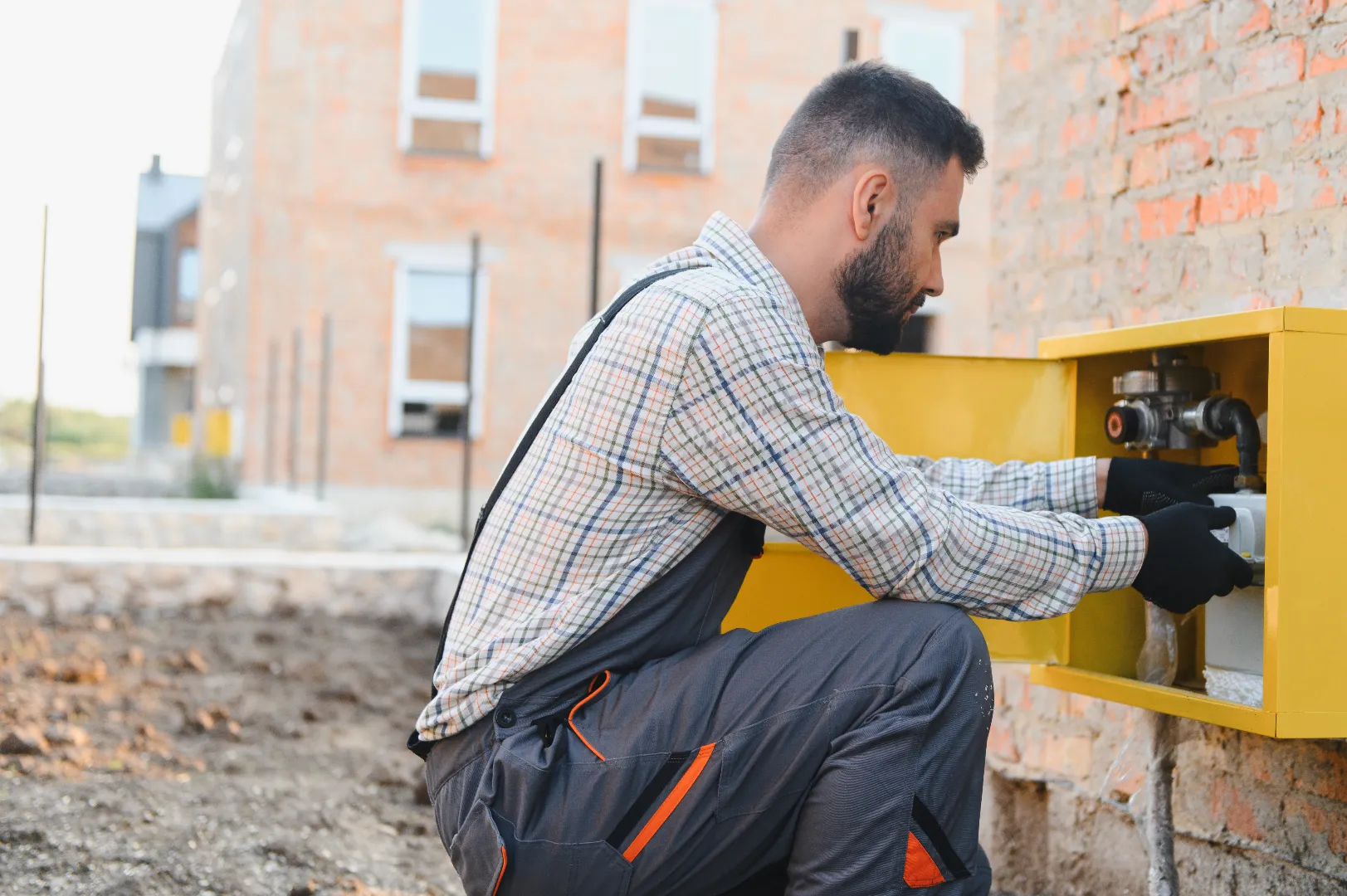
All prices below are approximate ranges for typical Toronto and GTA residential projects. Actual costs depend on the length of the gas line run, pipe material, access conditions, permit fees, and site complexity. We provide firm written quotes on-site before any work begins. No surprises on your invoice.
Prices are approximate. Final price confirmed on-site after assessing your specific project. All invoices subject to HST (13%).
| Service | Price Range (CAD) | Notes |
|---|---|---|
| Gas Leak Detection & Repair | $200 – $1,000 | Includes leak location, repair, and pressure test. Emergency service available 24/7 across the GTA. |
| Appliance Gas Hookup (Stove, Dryer) | $200 – $500 | Connecting an appliance to an existing gas supply with approved flex connector and shut-off valve. |
| New Gas Line Extension (Up to 10 ft) | $500 – $1,200 | Extending an existing gas line to a new appliance location. Includes permit and pressure test. |
| New Gas Line Installation (Full Run) | $800 – $2,500 | New line from meter or distribution point to new location. Includes permit, installation, and TSSA inspection coordination. |
| BBQ Natural Gas Line | $400 – $1,000 | Dedicated gas line to backyard with exterior shut-off valve and quick-disconnect fitting. Cost varies by run distance. |
| Gas Fireplace Line | $600 – $1,500 | New gas supply line for gas fireplace or insert. Includes permit and TSSA inspection coordination. |
| Gas Line Pressure Test | $150 – $300 | TSSA-compliant pressure test on existing or new gas line. Includes written test report for your records. |
| Enbridge Reconnection Coordination | Included in service | We coordinate directly with Enbridge Gas for gas reconnection following leak repairs at no additional charge. |
All prices are approximate. Final price confirmed on-site. Permit fees (typically $50–$200 for a TSSA gas installation permit) are additional where applicable. HST (13%) is added to all invoices.

Frequently Asked Questions: Gas Line Services Toronto
What should I do if I smell gas in my Toronto home?
Leave immediately without using any switches or electronics. Call 911 and Enbridge Gas at 1-877-362-7434 from outside. Once Enbridge has secured the supply, call Emergency Repair Plumbers at (289) 514-1836. We respond within 60 minutes across the GTA to locate and repair the source of the leak.
Read more about what happens after a gas leak call
Enbridge Gas will dispatch an emergency crew to shut off your gas at the meter and confirm the building is safe to re-enter. Once the building is cleared, our TSSA-licensed gas fitter arrives, uses electronic detection equipment to locate the exact source of the leak, repairs the affected pipe or fitting, pressure tests the repaired line, and coordinates directly with Enbridge for gas reconnection. Most residential gas leak repairs are completed in a single visit and gas service restored the same day. Do not attempt to re-enter the building or restore gas service yourself. These are regulated tasks that must be performed by Enbridge and a licensed gas technician respectively. Call 911 first, then Enbridge, then us.
Do I need a licensed gas fitter for gas work in Ontario?
Yes. Under TSSA regulations, all gas line work in Ontario must be performed by a licensed G1 or G2 gas technician. DIY gas work is illegal, voids your home insurance, and creates serious life-safety risk. Our technicians hold valid TSSA gas licences and pull all required permits on every job.
Read more about Ontario gas licensing requirements
Ontario Regulation 212/01 under the Technical Standards and Safety Act makes it an offence for anyone without a TSSA gas technician licence to perform gas installation, service, or alteration work. This applies to all gas work, including connecting an appliance, changing a gas fitting, or running a new gas line, regardless of scope or apparent simplicity. In addition to the legal exposure, unlicensed gas work voids your homeowner's insurance policy for any claim arising from the unpermitted work. If an incident is traced to unlicensed work on your property, you bear full personal financial and, in some circumstances, criminal liability. Always ask a gas contractor for their TSSA licence number before any work begins. It can be verified directly on the TSSA website.
How much does gas line installation cost in Toronto?
Gas line installation in Toronto typically costs $500–2,500 depending on the length of the run, the type of work, and permit costs. Appliance hookups (stove, dryer) run $200–500. BBQ natural gas lines are typically $400–1,000. We provide exact quotes on-site before any work begins.
Read more about gas line installation costs in Toronto
The main cost drivers for gas line installation are the length of the pipe run, the complexity of the routing through your home (going through finished walls or floors adds time and labour), the pipe material selected (black iron vs. CSST flex tubing), TSSA permit fees (typically $50–$200), and whether any exterior excavation is required for an outdoor run such as a BBQ line. A simple appliance hookup where a gas outlet already exists nearby is a two-to-three-hour job. A full gas line run from the meter to a second floor location or to the rear yard for a BBQ will take a full day. We assess your project on-site and provide a written fixed-price quote before work begins. No time-and-material billing on standard residential gas installations.
Can I get natural gas for my BBQ in the GTA?
Yes. Most GTA properties are on Enbridge's natural gas grid. We run a dedicated gas line from your meter to your backyard and install a quick-disconnect fitting for your BBQ. Many homes built after 1990 already have a gas stub-out at the rear. A permit and TSSA inspection are required.
Read more about BBQ natural gas lines in the GTA
Most BBQs that currently run on propane can be converted to natural gas using a manufacturer-supplied conversion kit that replaces the burner orifices and pressure regulator. Confirm conversion support with your BBQ manufacturer before proceeding, as not all models can be converted. The natural gas line we install terminates at a CSA-approved quick-disconnect fitting that lets you detach and move the BBQ when the patio is reconfigured or the season ends. Enbridge Gas has historically offered rebate programs for natural gas appliance conversions and new connections. Check Enbridge's current promotions at the time of your project for available incentives. All BBQ gas line installations require a TSSA permit and must pass a TSSA inspection before the BBQ is connected and placed into service.
How do I know if I have a gas leak?
The strongest sign is the smell of rotten eggs. Mercaptan is added as a safety odorant to natural gas. You may also hear a hissing sound near appliances or gas lines, notice dead or discoloured vegetation over an underground line, or see your gas bill spike unexpectedly. If you suspect a leak, leave the building immediately and call 911 and Enbridge.
Read more about identifying gas leaks in your home
Gas leaks are not always detectable by smell alone, particularly if the leak is slow, outdoors, or in a well-ventilated space. A sudden unexplained increase in your gas bill can indicate a leak in your distribution piping even without any detectable odour inside. A hissing or blowing sound near a gas appliance, meter, or pipe is a strong indicator of a pressurised leak. Dead or yellowing patches of lawn or vegetation running in a straight line across your yard can indicate an underground gas line leak below the surface, as escaping gas displaces oxygen in the soil, killing vegetation above. If you have any reason to suspect a gas leak, even without a strong smell, treat it as a real emergency: leave the building, call Enbridge, and call us. Gas leaks caught early are inexpensive to repair. Gas leaks that go undetected can have irreversible consequences.
Still Have a Gas Line Services Problem in Toronto & GTA?
Describe your gas line services issue below and a licensed Toronto & GTA plumber will call you back in under 15 minutes. No answering service, no voicemail.
- Licensed & Insured Master Plumbers
- 60-Minute Emergency Response in Toronto & GTA
- Real Plumber Answers, No Answering Service
- Upfront Pricing Before Any Work Begins
- 24/7 Service, 365 Days a Year Including Holidays
Limited Same-Day Spots Available Today
Our dispatch fills quickly. Submit now to secure your slot.
Get a Free Quote in 15 Minutes
Takes 30 seconds to fill out. We'll do the rest.
Related Plumbing Services
Pipe Repair Toronto
Burst pipes, pinhole leaks, and supply line repairs. Fast response across Toronto and the GTA.
Learn more →Emergency Plumbing Toronto
24/7 emergency response for plumbing emergencies across Toronto and the GTA. Call any time.
Learn more →Water Heater Repair & Replacement
Gas water heater repair, replacement, and new tankless installations across Toronto and GTA.
Learn more →Related Reading
Gas Line Work? Call a Licensed Gas Fitter.
Gas leaks are a life-safety emergency. All other gas work requires a TSSA-licensed technician under Ontario law. Our licensed gas fitters are available 24/7 for gas emergencies and next-day for installations and hookups across Toronto, Scarborough, North York, Etobicoke, Mississauga, Brampton, and the broader GTA.
TSSA-Licensed Gas Fitters · Permits Pulled · TSSA Inspections Arranged · GTA-Wide Service