Basement Waterproofing Toronto — Stop Leaks Permanently
Toronto's clay-heavy soil, aging housing stock, and intense storm events make basement waterproofing Toronto one of the most critical services for GTA homeowners. Whether you're dealing with a wet basement after every rain, active seepage through foundation walls, or a failed weeping tile system from the 1950s, our licensed plumber Toronto team delivers proven waterproofing solutions backed by written warranties.
What Causes a Wet Basement in Toronto Homes?
A wet basement Toronto situation is rarely caused by a single factor. In Toronto, the combination of clay-dominated soil geology, aging housing stock, and the city's storm sewer infrastructure creates a perfect set of conditions for chronic basement moisture and basement leak repair Toronto demands. Understanding your specific cause is essential to choosing the right basement waterproofing Toronto solution and avoiding spending money on the wrong fix.
Hydrostatic Pressure from Toronto Clay Soil
Toronto sits on a deep bed of Leda clay, also called sensitive marine clay, left behind by glacial Lake Iroquois over 12,000 years ago. This clay soil is highly impermeable: it absorbs water slowly and releases it even more slowly. After heavy rainfall or snowmelt, water accumulates around and against your foundation, creating hydrostatic pressure. Over time, this pressure forces water through even microscopic cracks in poured concrete walls, block foundations, and mortar joints. In Toronto, hydrostatic pressure is the single most common driver of basement moisture in residential properties.
Failed or Absent Weeping Tile
Weeping tile, a perforated pipe installed at the foundation footing to collect and divert groundwater, was first used in Toronto residential construction in the 1940s and became standard through the 1950s and 1960s. In most homes from this era, the original weeping tile was made of clay segments or bituminous fibre, both of which degrade over 50–70 years. Roots infiltrate the joints, silt clogs the perforations, and the tile collapses. When weeping tile fails, water that should be diverted away from the foundation instead accumulates at the footing and works its way in. In homes built before 1960 that have never had weeping tile replaced, failure is almost universal.
Foundation Wall Cracks
Poured concrete foundations develop vertical and diagonal cracks over time as the concrete cures, the building settles, and thermal expansion and contraction cycles occur season after season. Block and brick foundations develop cracks at mortar joints as mortar deteriorates. In Toronto's freeze-thaw climate, where temperature can swing 40°C between January and July, crack formation is accelerated. Water under hydrostatic pressure finds these cracks immediately, and even a hairline crack can allow significant water infiltration during wet periods. Foundation crack injection is a targeted, cost-effective repair for isolated wall cracks.
Grading and Drainage Issues Around the Foundation
Surface drainage that slopes toward the foundation, rather than away from it, concentrates rainwater directly against the house. This is extremely common in Toronto's older neighbourhoods where soil has settled over decades, window wells have filled with soil, downspouts discharge near the foundation, and neighbouring properties have altered drainage patterns through landscaping. Addressing surface grading is a low-cost first step that should accompany any basement waterproofing system. Without proper surface drainage, even the best waterproofing system will be working against unnecessarily high water loads.
Basement Apartment Renovations Without Proper Waterproofing
Toronto's basement apartment regulations, updated most recently under the More Homes Built Faster Act, have made basement suites more common across the city. However, converting a raw basement into a legal dwelling unit requires addressing moisture before finishes go in. Many basement apartments have been finished over existing moisture problems, masking water infiltration until significant damage has been done to insulation, drywall, and framing. A waterproofing assessment is a required first step before any basement apartment renovation, and is increasingly required by the Toronto Building Division as part of the permit process.
Wet basement getting worse? Don't cover up the problem. Fix it permanently. Call us at (289) 514-1836 for a same-day assessment.
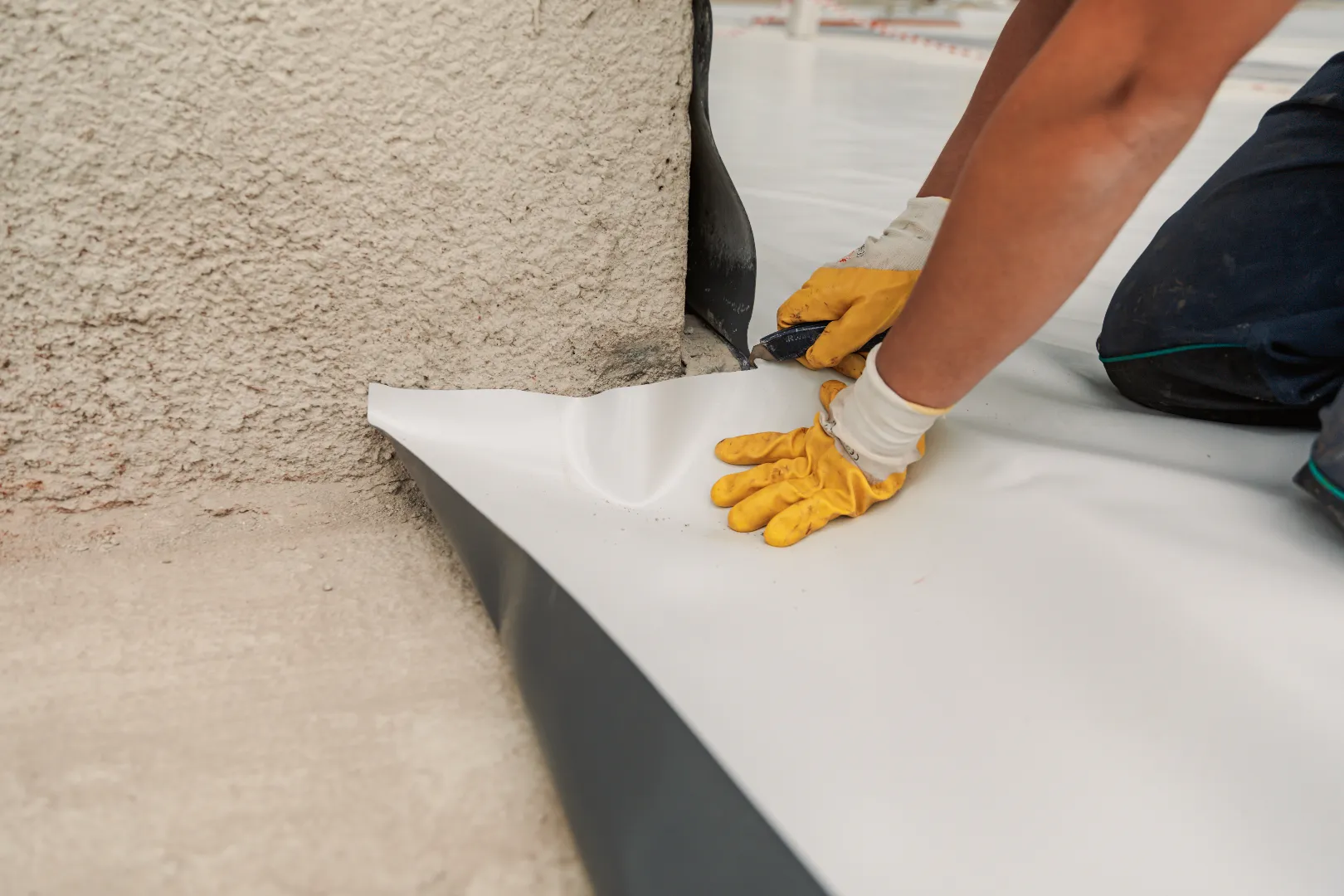
Interior vs. Exterior Basement Waterproofing: Which Is Right for You?
The most common question Toronto homeowners ask about basement waterproofing Toronto is whether interior or exterior waterproofing is the better solution for a wet basement Toronto problem. The honest answer: it depends on your specific moisture source, your budget, your property conditions, and how comprehensive a basement leak repair Toronto solution you need. Here is an objective comparison of both approaches.
| Factor | Interior Waterproofing | Exterior Waterproofing |
|---|---|---|
| How It Works | Manages water that enters the foundation; drains it to sump pump | Keeps water from contacting the foundation entirely |
| Excavation Required | No, interior work only | Yes, full excavation to footing |
| Disruption to Property | Minimal, no outdoor excavation | Significant: yard, landscaping, deck removal |
| Typical Cost (Toronto) | $3,000–$10,000 | $8,000–$20,000+ |
| Addresses Foundation Directly | No, manages water after entry | Yes, membrane applied to wall |
| Suitable for Semi-Detached/Attached Homes | Yes | Limited, as shared walls complicate access |
| Ongoing Maintenance | Sump pump service every 3–5 years | Minimal if properly installed |
| Best For | Seepage, high water table, ongoing moisture management | New construction, severe wall degradation, long-term solution |
Note: Many Toronto properties benefit from a combined approach, exterior membrane plus interior drainage, especially in high-water-table areas near the Don River or Humber River floodplains.
Basement Waterproofing Services We Provide
Interior Drainage System
We install a perimeter channel at the base of your basement walls to intercept water seeping through the foundation and redirect it to a sump pit. This system works continuously to manage hydrostatic pressure without excavating your yard, ideal for Toronto's semi-detached and row houses where exterior access is limited.
Weeping Tile Replacement
The original clay or bituminous weeping tile in Toronto homes built between the 1940s and 1970s is routinely at end-of-life. We excavate to the foundation footing, remove failed drainage tile, install new PVC weeping tile with proper gravel bed and filter fabric, and restore the excavation. This is the most durable long-term solution for chronic wet basements in older GTA homes.
Foundation Crack Injection
Vertical and diagonal cracks in poured concrete foundation walls are sealed from the inside using polyurethane foam or epoxy injection. The injected material expands to fill the entire crack depth, creating a flexible waterproof seal that moves with the foundation. This targeted repair is highly cost-effective for isolated cracks and can be completed in a few hours without excavation.
Window Well Drainage
Below-grade windows are a common entry point for basement flooding when window wells fill with water. We install drainage pipes at the base of window wells, connected either to the weeping tile system or to a dedicated discharge point, so water that accumulates in the well is safely redirected rather than seeping through the window frame. Eligible for City of Toronto rebates.
Sump Pump Integration
An interior drainage system is only as reliable as the sump pump that expels the collected water. We install high-quality <strong><a href="/services/sump-pump/" title="Sump Pump Installation Toronto" aria-label="Sump pump installation and repair Toronto">submersible sump pumps</a></strong> with battery backup and water level alarms, ensuring your basement stays dry even during power outages, which frequently coincide with the severe storms that cause the most flooding. Eligible for up to $1,750 in City of Toronto rebates.
Exterior Waterproofing Membrane
For the most comprehensive waterproofing solution, we excavate the full depth of the foundation, apply a rubberized asphalt or polymer waterproofing membrane to the exterior wall surface, install a drainage board and new weeping tile, and backfill with clean drainage gravel. This approach prevents water from ever contacting the foundation structure and is the preferred solution for new construction and major renovation projects.
Weeping Tile Replacement in Toronto: A Detailed Overview
Weeping tile replacement is one of the most significant basement waterproofing projects a Toronto homeowner can undertake, and for homes built in the 1940s, 1950s, and 1960s, it is often the most necessary. The original drainage systems in these homes have simply reached the end of their design life, and no amount of crack injection or interior patching will compensate for a completely failed perimeter drainage system at the footing level.
Signs Your Weeping Tile Has Failed
- • Consistent moisture appearing at the base of basement walls, especially along the floor-wall joint
- • Water infiltration that worsens significantly during spring snowmelt or after heavy rain
- • Efflorescence (white mineral deposits) on basement walls indicating chronic moisture movement through the concrete
- • Mould growth at the base of basement walls even when no visible water entry point is present
- • Home built before 1965 with original drainage system that has never been replaced or inspected
Our Weeping Tile Replacement Process
- 1. Full perimeter excavation to the foundation footing depth (typically 6–8 feet in Toronto homes of this era)
- 2. Removal of failed clay tile, bituminous pipe, or original drainage aggregate
- 3. Inspection and repair of foundation wall surface: crack injection, parging, or membrane patch as required
- 4. Installation of new 4" perforated PVC weeping tile on compacted granular base, sloped to drain
- 5. Wrapping with filter sock to prevent silt intrusion; cover with clean drainage stone to minimum 12" depth
- 6. Backfill, compaction, surface restoration, and connection to sump pit or storm drain as required
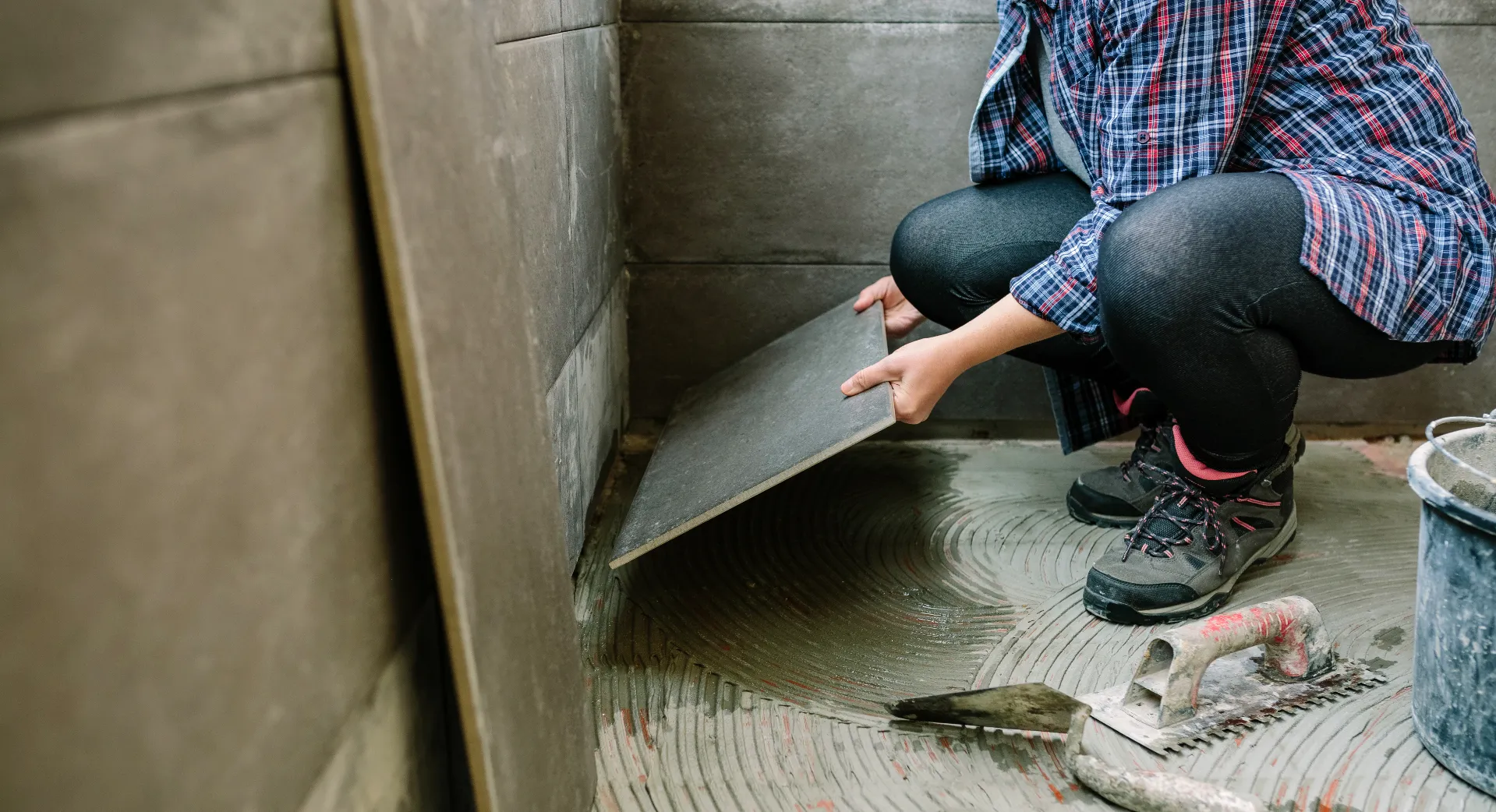
Foundation Crack Injection: Polyurethane vs. Epoxy
Not every wet basement requires a major waterproofing system. Isolated foundation wall cracks, particularly in poured concrete walls, can often be permanently sealed from the inside using injection technology. Understanding the difference between the two main injection materials helps you choose the right approach for your specific crack.
Polyurethane Foam Injection
Polyurethane foam expands as it cures, filling the entire crack cavity including areas that are actively wet or damp. This expansion creates a flexible waterproof seal that can accommodate seasonal foundation movement without re-cracking. Polyurethane is the preferred material for most residential crack repairs in Toronto.
- ✓ Works in wet or actively leaking cracks
- ✓ Flexible, moves with foundation
- ✓ Suitable for hairline to 1" wide cracks
- ✓ Typically completed in 2–4 hours per crack
Epoxy Injection
Epoxy cures to a rigid, structural material with compressive strength exceeding that of the concrete itself. It is used when the crack repair must also restore structural integrity, for example when a crack has widened due to differential settlement or structural loading. Epoxy requires a dry crack to bond properly.
- ✓ Restores structural strength to cracked section
- ✓ Higher compressive strength than concrete
- ✗ Requires dry crack, not suitable for active leaks
- ✗ Rigid, may re-crack if foundation moves further
Important: Crack Injection Does Not Address the Underlying Cause
If your foundation crack is caused by ongoing hydrostatic pressure or soil movement, crack injection alone may not provide a permanent solution. New cracks may form near the repaired area. A full waterproofing assessment should accompany crack injection to determine whether additional measures, such as improved surface drainage, interior drainage, or weeping tile replacement, are needed to address the root cause.
City of Toronto Basement Flooding Protection Subsidy: Up to $3,400
The City of Toronto operates the Basement Flooding Protection Subsidy Program to help eligible homeowners install flood protection measures. Properties located in designated flood-vulnerable areas, which include numerous neighbourhoods in the Don River and Humber River watersheds, as well as other areas identified in the City's basement flooding master plan, may qualify for subsidies of up to $3,400 per property.
Sump Pump Installation
Maximum subsidy for sump pump installation, including pit excavation and discharge piping. Must be installed by a licensed contractor with a building permit.
Backwater Valve
Maximum subsidy for backwater valve installation on the sanitary drain. Prevents sewage backup during combined sewer overflows. Permit and inspection required.
Window Well Covers
Maximum subsidy per window well cover. Maximum of two per property. Covers must be professionally installed and meet City specifications.
We Handle the Permit and Subsidy Process
Qualifying for the City of Toronto subsidy requires a building permit, a licensed contractor, and proper inspection of the completed work. We are familiar with the City of Toronto Building Division process and handle the permit application and subsidy paperwork on behalf of eligible homeowners. Ask us about subsidy eligibility when you book your waterproofing assessment.
Ask About Rebate Eligibility: (289) 514-1836Basement Waterproofing Cost Guide: Toronto & GTA
Basement waterproofing Toronto costs vary considerably depending on the scope of work, the size of your basement, soil conditions, access constraints, and the method selected. Whether you need targeted basement leak repair Toronto crack injection or a full exterior membrane system, the prices below are representative ranges for typical GTA properties. We provide detailed written quotes after every on-site assessment. Call (289) 514-1836 to book yours.
Prices are approximate and reflect typical market ranges in Toronto and the GTA as of 2025. Actual costs will be confirmed in a written quote after your property assessment.
| Service | Price Range (CAD) | Notes |
|---|---|---|
| Interior Drainage System | $3,000 – $8,000 | Full perimeter or partial interior channel installation with sump pit. Price varies with basement perimeter length and concrete thickness. |
| Weeping Tile Replacement | $4,000 – $10,000 | Exterior excavation, old tile removal, new PVC tile with gravel and filter fabric. Larger homes at higher end. Surface restoration included. |
| Foundation Crack Injection | $300 – $1,000 per crack | Polyurethane or epoxy injection per crack. Most residential cracks require one to three ports. Multi-crack discounts available. |
| Window Well Drain Installation | $400 – $800 | Per window well. Includes drain pipe connection to weeping tile or external discharge. Rebate eligible through City of Toronto subsidy program. |
| Sump Pump Installation | $1,200 – $3,000 | Includes pit excavation, pump, discharge piping, and battery backup system. Up to $1,750 City of Toronto rebate available. |
| Full Exterior Waterproofing | $8,000 – $20,000+ | Complete excavation, waterproofing membrane, drainage board, new weeping tile, and backfill. Price depends on foundation depth, home size, and access conditions. |
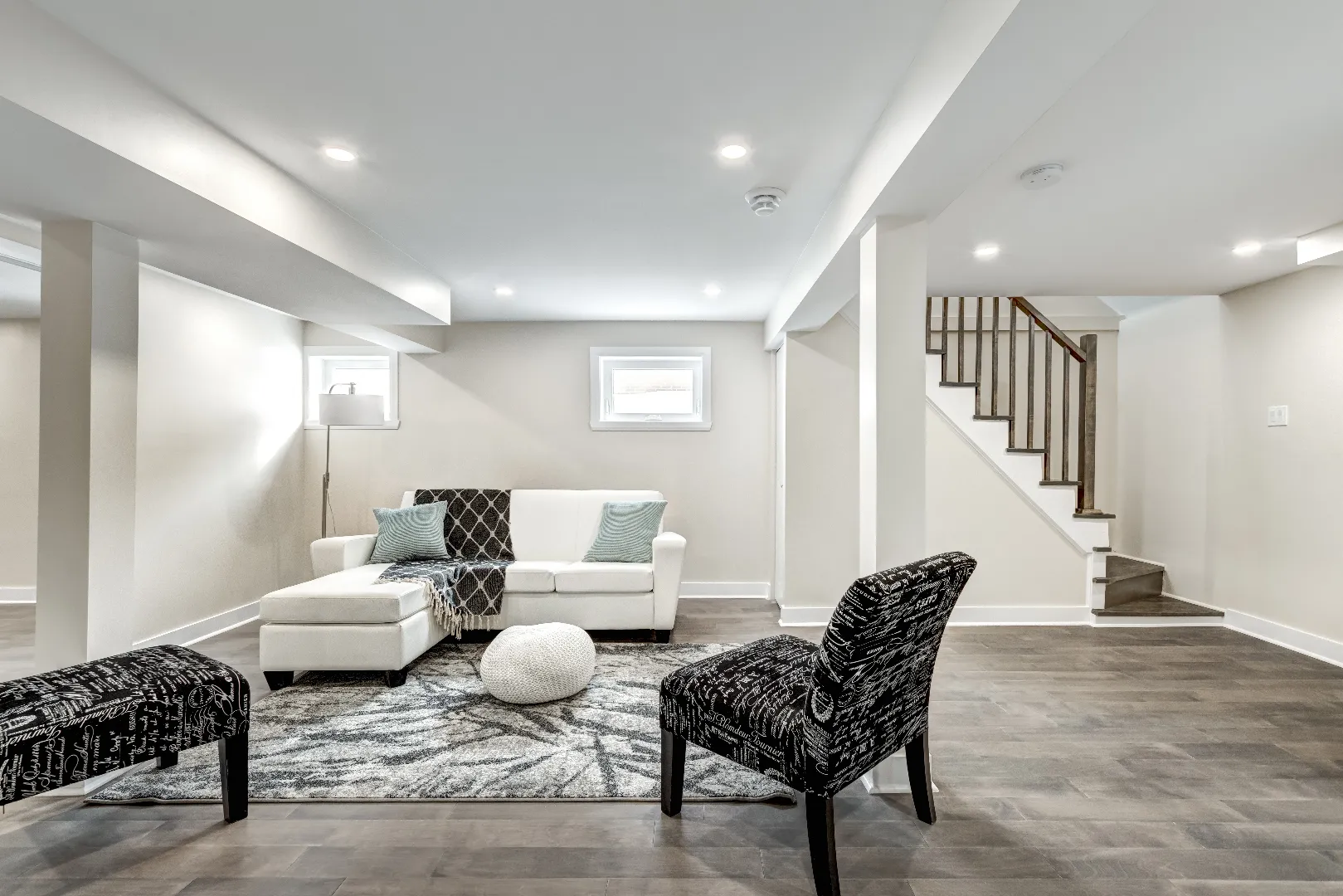
Toronto Flood Zones, Clay Soil, and Why Your Neighbourhood Matters
Basement waterproofing is not a generic solution. It is highly location-specific. In Toronto, your property's specific soil conditions, drainage history, proximity to waterways, and the age of your home all influence which approach will work best and how urgently it should be addressed.
High-Risk Areas in Toronto
Don River Watershed
Neighbourhoods along the Don River and its tributaries, including Leslieville, Riverdale, Leaside, and parts of Scarborough, are designated as flood-vulnerable under the Toronto and Region Conservation Authority (TRCA) flood management plan. Homes in these areas experience elevated groundwater levels, especially during spring freshet and after intense summer storms.
Humber River Watershed
The Humber River watershed, covering Etobicoke, Weston, York, and portions of North York, has historically experienced significant flood events, including the devastating Hurricane Hazel floods of 1954. Properties in low-lying areas near the Humber and its tributaries face both river flooding and elevated groundwater table challenges year-round.
1940s–1960s Housing Stock
Homes built in post-war Toronto neighbourhoods throughout Scarborough, North York, East York, and Etobicoke are at high risk due to failed original weeping tile, the prevalence of clay pipe sewer connections, and the fact that many foundations were built with minimal waterproofing treatment compared to modern standards.
Toronto's Clay Soil Problem
The Leda clay that underlies much of the Toronto basin has two critical properties that affect basement waterproofing. First, it is nearly impermeable: water applied to the surface saturates the clay slowly, creating a perched water table that remains elevated for days or weeks after rainfall events. This creates sustained hydrostatic pressure against foundation walls.
Second, Leda clay is highly sensitive. It can lose significant bearing strength when disturbed or saturated. This means that in some areas, basement waterproofing excavation must be carried out carefully to avoid compromising the soil that supports the foundation itself. Our crews are experienced with Toronto's soil conditions and follow appropriate shoring and excavation practices for deep foundation work.
Basement apartment regulations under the City of Toronto's new secondary suite policies require waterproofing inspection and approval as part of the permit process. If you are converting a basement to a dwelling unit, waterproofing must be addressed before permit approval.
Why Choose Emergency Repair Plumbers for Basement Waterproofing?
Our licensed Toronto plumbers have deep experience with the city's specific soil conditions, housing stock, and municipal permit requirements. Every waterproofing assessment begins with a thorough inspection. We identify the actual source of water infiltration before recommending any solution.
We pull all required building permits from the Toronto Building Division, manage the City of Toronto Basement Flooding Protection Subsidy application process for eligible properties, and provide written warranties on all waterproofing work. Our service area covers all of Toronto, Scarborough, North York, Etobicoke, and surrounding GTA municipalities.
24/7 Emergency Response for Active Basement Flooding
When your basement is actively flooding, time is critical. Every hour of delay means additional water damage to flooring, drywall, insulation, and personal contents, and increases the risk of mould establishing within 24–48 hours of water exposure.
Our licensed plumbers are available 24 hours a day, 7 days a week, including holidays. We carry sump pumps, emergency sealing materials, and extraction equipment on every service vehicle. When you call (289) 514-1836, you speak to a plumber, not an answering service, and we dispatch immediately.
Ready to Fix Your Wet Basement Permanently?
Toronto's clay soil and aging housing stock make wet basements common, but they are not inevitable. Our licensed plumbers assess your specific situation and recommend the most cost-effective, lasting solution.
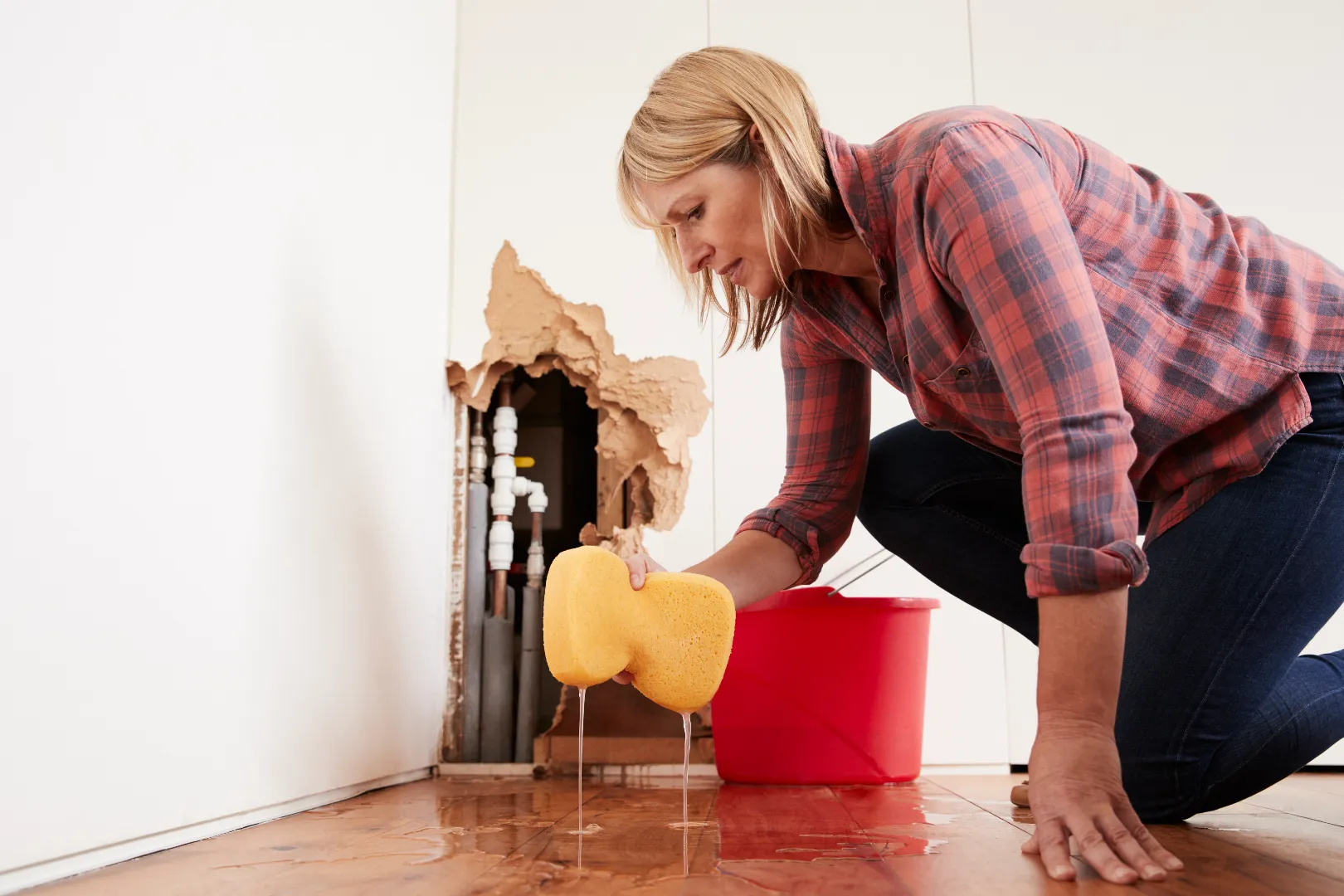
Frequently Asked Questions: Basement Waterproofing Toronto
How much does basement waterproofing cost in Toronto?
Basement waterproofing in Toronto costs between $300 per crack for foundation crack injection and $20,000+ for a full exterior waterproofing membrane system. Most Toronto homeowners spend $4,000–$10,000 for a complete interior drainage system with sump pump, which handles the majority of chronic wet basement situations.
The actual cost depends on: the source and severity of water infiltration, whether an interior or exterior approach is appropriate, the size of your basement and foundation perimeter, soil and access conditions, and whether surface restoration is required after excavation. The City of Toronto's Basement Flooding Protection Subsidy can offset up to $3,400 of qualifying costs for eligible homeowners. We provide detailed written quotes after every on-site assessment so you know exactly what you're paying before any work begins.
Why do Toronto basements leak and flood?
The primary cause of wet basements in Toronto is hydrostatic pressure from the city's Leda clay soil, which retains water around foundations for days after rain events. Failed or absent weeping tile systems, especially in homes built between the 1940s and 1960s, are the second most common cause, as the original clay drainage tile has deteriorated beyond its service life.
Additional contributing factors include foundation wall cracks (which develop naturally as concrete ages and the building settles), improper surface grading that channels water toward the foundation rather than away from it, and the elevation and flood risk of your specific location relative to the Don River or Humber River watersheds. Toronto's intense summer rainstorms, which have increased in frequency and intensity in recent decades, place exceptional demands on residential drainage systems that were designed for much lower rainfall intensities. A thorough on-site assessment is required to identify the specific cause in your home.
Is interior or exterior waterproofing better?
Exterior waterproofing is generally the more comprehensive, permanent solution. It protects the foundation wall directly and addresses water before it ever contacts the structure. However, it requires full excavation, is significantly more expensive, and is not always practical for Toronto's many semi-detached and attached homes where full perimeter access is impossible.
Interior drainage systems are less invasive, less expensive, and can be installed without disturbing your yard or landscaping. They do not stop water from entering the wall, but they manage it safely before it can cause damage. For most chronic-moisture situations in Toronto's older housing stock, an interior drainage system with a quality sump pump provides excellent, long-term results. Many homeowners opt for a combined approach: exterior membrane on accessible walls with interior drainage on shared walls. The right answer depends on your specific property and water source.
Does the City of Toronto offer rebates for basement waterproofing?
Yes. The City of Toronto's Basement Flooding Protection Subsidy Program offers eligible homeowners up to $3,400 in rebates for qualifying flood-protection installations. The program covers sump pump installation (up to $1,750), backwater valve installation (up to $1,250), and window well covers (up to $200 each, maximum two).
To qualify, your property must be located in an area designated under the City's basement flooding master plan, and work must be completed by a licensed contractor with a building permit. The City inspects the completed work before issuing the rebate. Not all Toronto properties are in eligible areas. Eligibility is determined by your address. We are familiar with the City of Toronto Building Division process and handle the permit application and subsidy documentation on behalf of eligible clients. Contact us to confirm whether your property qualifies before work begins.
How long does basement waterproofing last?
The lifespan of basement waterproofing depends on the method used. A properly installed exterior waterproofing membrane lasts 20–30 years and typically includes a manufacturer warranty. New PVC weeping tile with proper gravel bed and filter fabric will last 50 years or more. Interior drainage systems have an indefinite lifespan; the sump pump itself requires servicing or replacement every 5–10 years.
Foundation crack injection using polyurethane foam typically lasts 10–20 years and can be re-injected if needed. The longevity of any waterproofing system depends on maintaining the contributing factors: proper surface grading, functioning eavestroughs and downspouts that discharge away from the foundation, and regular sump pump maintenance. We provide written warranties on all waterproofing work and are available for follow-up service and maintenance throughout the life of the system.
Still Have a Basement Waterproofing Problem in Toronto & GTA?
Describe your basement waterproofing issue below and a licensed Toronto & GTA plumber will call you back in under 15 minutes. No answering service, no voicemail.
- Licensed & Insured Master Plumbers
- 60-Minute Emergency Response in Toronto & GTA
- Real Plumber Answers, No Answering Service
- Upfront Pricing Before Any Work Begins
- 24/7 Service, 365 Days a Year Including Holidays
Limited Same-Day Spots Available Today
Our dispatch fills quickly. Submit now to secure your slot.
Get a Free Quote in 15 Minutes
Takes 30 seconds to fill out. We'll do the rest.
Related Plumbing Services
Sump Pump Installation Toronto
Submersible sump pump installation with battery backup. Essential component of any interior waterproofing system. Rebate eligible.
Learn more →Backwater Valve Installation
Protect your basement from sewage backup during combined sewer overflows. Up to $1,250 in City of Toronto rebates available.
Learn more →Emergency Plumbing Toronto
24/7 emergency response for active basement flooding, burst pipes, and urgent plumbing failures across the GTA.
Learn more →Related Reading
Backwater Valve vs Sump Pump: Which Does Your Basement Need?
How each device protects a Toronto basement, and why most homes benefit from having both.
Spring Plumbing Inspection Checklist for the GTA
What to check once the ground thaws to catch basement water problems while they are still cheap.
Wet Basement? Get a Permanent Fix.
Stop living with a damp basement. Our licensed Toronto plumbers diagnose the actual cause and deliver lasting waterproofing solutions with written warranties. Available 24/7 across the Greater Toronto Area.
Licensed Ontario Plumbers · Interior & Exterior Waterproofing · City Rebate Eligible · GTA-Wide Service