Backwater Valve Installation Toronto
Basement flooding is one of the most costly and stressful disasters a Toronto homeowner can face. A properly installed backwater valve Toronto prevents sewage from backing up into your basement during heavy rainstorms. The City of Toronto will pay back up to $3,400 of the installation cost through its Basement Flooding Protection Subsidy Program.
Backwater valve: up to $1,250 rebate | Sump pump: up to $1,750 rebate | Downspout disconnection: up to $400 rebate
What Is a Backwater Valve & How It Works
A backwater valve Toronto (also called a backflow prevention valve or sewer backup prevention Toronto device) is a mechanical device installed in your basement's main sewer drain line. Its purpose is simple but critical: it allows sewage to flow out of your home normally, but automatically closes to prevent sewage from flowing back in during a sewer backup Toronto event.
The valve contains a hinged flap that floats open during normal use, allowing waste water to pass through in one direction, toward the city sewer. When sewage pressure in the city sewer system reverses (as occurs during heavy rain events that overwhelm combined sewers), the flap is pushed shut by the backpressure, sealing your home's drain system off from the surcharged city line.
Two main types are used in Toronto residential applications:
- • Normally-open (gate) backwater valve: The most common type for residential use. The flap stays open during normal operation and closes automatically when sewage attempts to reverse flow. These require an accessible cleanout cap for annual maintenance.
- • Gate valve (manual): A secondary valve that can be manually closed before anticipated flooding events, providing a completely positive seal. Often installed alongside the automatic backwater valve for maximum protection.
How a Backwater Valve Saves Your Basement
Heavy rain overwhelms Toronto's combined sewer system in your neighbourhood, just like the July 2013 storm that caused $900M in damage.
Sewage begins to back up through the city sewer toward your home's connection point.
Without a backwater valve: Sewage enters through your basement floor drain or lowest drain, flooding your basement with raw sewage.
With a backwater valve: The valve flap automatically closes. Sewage cannot enter your home. Your basement stays dry.
City of Toronto Basement Flooding Protection Subsidy Program
Get Up to $3,400 Back from the City of Toronto
The City of Toronto's Basement Flooding Protection Subsidy Program provides financial assistance to homeowners who install eligible flood protection measures. This is real money back in your pocket. The program has helped thousands of Toronto homeowners afford flood protection since its introduction following the 2005 flooding event.
Up to $1,250 toward the cost of backwater valve installation, including labour, materials, permits, and inspections.
Up to $1,750 toward a new sump pump installation, including pit excavation, pump, discharge pipe, and check valve.
Up to $400 per downspout for disconnecting eavestrough downspouts from the foundation drain and redirecting to a splash pad.
Eligibility Requirements
To qualify for the City of Toronto Basement Flooding Protection Subsidy, you must meet all of the following criteria:
- ✓ The property is a residential property located within the City of Toronto's municipal boundaries
- ✓ You are the registered property owner (tenants are not eligible; owner must apply)
- ✓ Work is performed by a licensed plumbing contractor and complies with Ontario Plumbing Code
- ✓ Required building permits are obtained from the City of Toronto before work begins
- ✓ The subsidy has not been previously claimed for the same measure at the same property
- ✓ Property taxes must be up to date
Note: Rebate program details are subject to change by the City. We verify current eligibility requirements at time of application.
How to Apply: We Handle It For You
The rebate application process can be confusing, but we manage it on your behalf as part of every installation. Here's how it works:
Don't leave $3,400 on the table. Flood season is approaching.
Call (289) 514-1836 to Book Your Installation
Do You Need a Backwater Valve? Signs & Risk Factors
Not every Toronto home is at equal risk for sewer backup, but many more homes are at risk than homeowners realize. Here are the factors that significantly increase your likelihood of experiencing basement flooding from a sewer backup event.
High-Risk Property Indicators
- ⚠ You've had a previous sewer backup. If your basement has flooded from the drain before, it will almost certainly happen again without a backwater valve.
- ⚠ Your home is in a combined sewer area. Much of central, east, and older suburban Toronto uses combined sewers that can overflow during heavy rain.
- ⚠ Your basement floor drain is lower than the street sewer. If your drain level is close to or below the city main, backpressure can push sewage up through the floor drain.
- ⚠ You have a finished or valuable basement. A finished basement with a home office, bedroom, or media room stands to suffer tens of thousands in damage from a single sewage backup event.
- ⚠ Your neighbourhood experienced flooding in 2013 or 2005. Properties in areas affected by these storms face repeated risk from similar events. Climate data shows extreme rainfall events in Toronto are increasing in frequency.
- ⚠ You don't have sewer backup insurance coverage. If you lack sewer backup endorsement on your home policy, even a single event could cost you $20,000–$80,000 in cleanup and repairs.
Toronto Neighbourhoods at Elevated Risk
The following areas have been identified in Toronto's Basement Flooding Protection Program studies as having elevated sewer backup risk due to combined sewer infrastructure capacity issues:
This is not a complete list. Contact us to assess your specific property's risk level.
Even if your street isn't on a flood study map, any Toronto home connected to a combined sewer system can experience backup during a major storm event. The $1,250 City rebate makes now the right time to act, regardless of whether you've had issues before.
Our Backwater Valve Installation Process
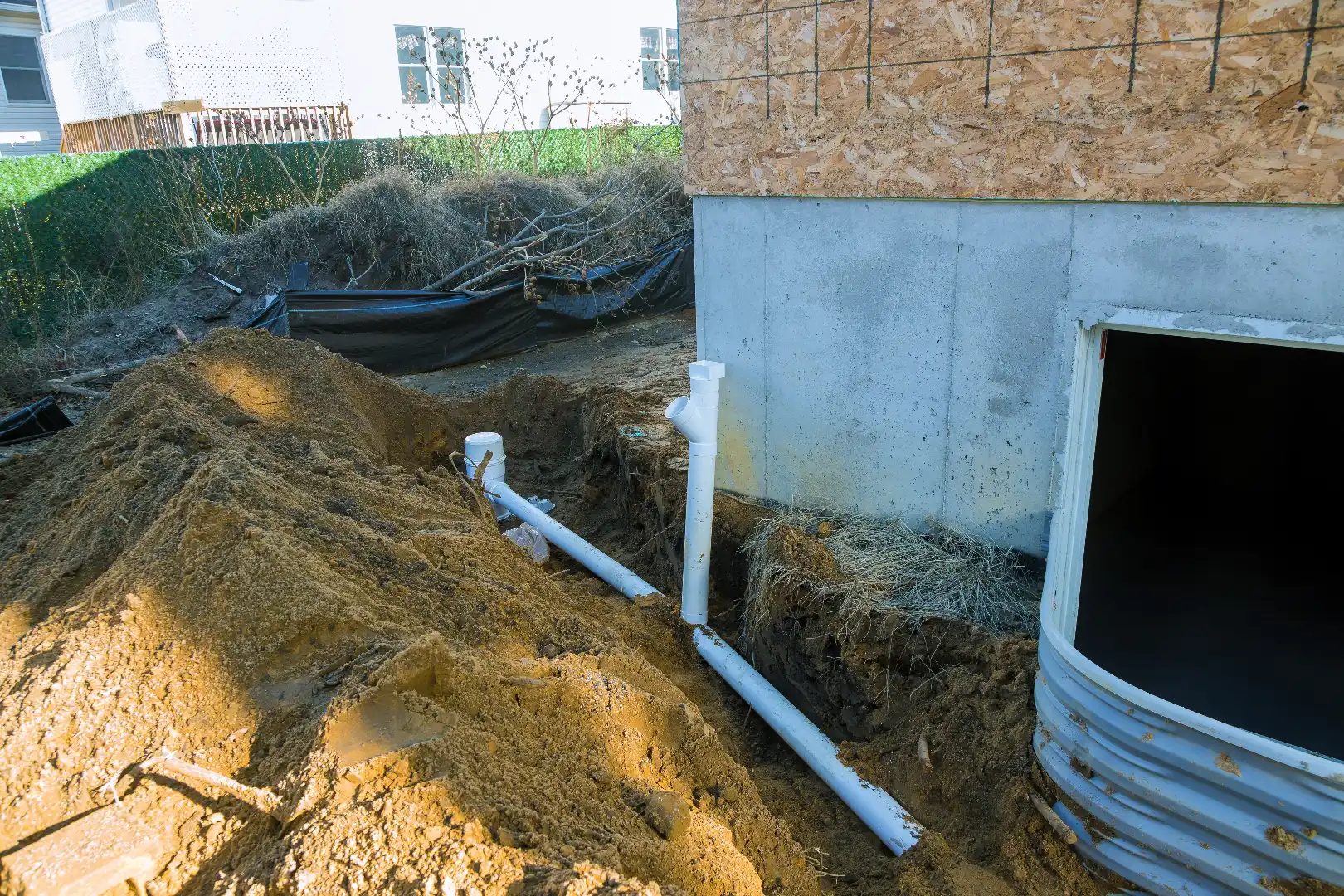
A properly installed backwater valve installation Toronto must be accessible for maintenance, installed in the correct location on the sewer lateral, and pass a City of Toronto building inspection. Our licensed plumber Toronto team follow a documented installation process that meets all Ontario Plumbing Code requirements and City of Toronto specifications for the sewer backup prevention Toronto rebate program. Call (289) 514-1836 to book your backwater valve installation Toronto today.
Site Assessment & Permit Application
We assess your basement drain configuration to determine the optimal valve location. All backwater valve installations in Toronto require a building permit. We handle the permit application to the City of Toronto, typically taking 2–5 business days. Work cannot legally begin without a permit. Any contractor skipping this step is putting your rebate eligibility at risk.
Excavation (If Required)
In many homes, the backwater valve can be installed at the existing floor drain location with minimal concrete cutting, typically a 60cm x 60cm opening. In other cases, particularly where the main sewer lateral exits through the basement wall, we may need to cut the basement floor to access the pipe at the correct location, approximately 1–1.5 metres from the point of exit from the building. We use concrete cutting saws and minimize the excavation area.
Valve Installation
We cut the sewer lateral at the correct location and install the backwater valve body into the line. The valve must be installed in the correct orientation (flow direction marked on the valve body), with proper support to prevent settling, and with the access cover positioned flush with or just above the finished floor level. We use only CSA-certified backwater valves meeting Ontario Plumbing Code requirements.
Concrete Restoration & Site Cleanup
After valve installation, we pour concrete to restore the basement floor, ensuring the valve access cover remains accessible (as required by code). We clean up all excavated material and leave your basement in a tidy state. The access cover must remain accessible at all times and cannot be covered with flooring.
City Inspection & Documentation
A City of Toronto building inspector must sign off on the installation before the permit is closed. We coordinate this inspection on your behalf. Once approved, we provide you with a complete documentation package, including the permit, inspection certificate, invoice, and warranty, organized for your rebate application and home records.
Sump Pump Installation & Maintenance: Up to $1,750 Rebate
While a backwater valve protects against sewer backup from the city main, a sump pump addresses a different but equally common cause of Toronto basement flooding: groundwater infiltration through the weeping tile (foundation drainage) system.
When groundwater levels rise around your foundation during heavy rain or spring snowmelt, the weeping tile collects this water and directs it to a sump pit in your basement. The sump pump then expels this water out of the pit and away from your foundation before it can enter the living space.
What We Install
- • Submersible sump pump (1/3 to 1/2 HP for most homes)
- • Properly sized sump pit with cover
- • Check valve to prevent backflow into pit
- • Discharge pipe routed away from foundation
- • Battery backup system (recommended)
- • High-water alarm
Annual Maintenance
We recommend annual sump pump maintenance, typically in April before spring rain season. This includes testing the pump operation, cleaning the pit and intake screen, checking the check valve, inspecting the discharge line for freezing damage or blockage, and testing the backup system. Annual maintenance prevents the most common cause of sump pump failure: a clogged intake or seized float switch during the storm event when you need it most.
Battery Backup: Essential for Toronto
Toronto frequently experiences power outages during the severe thunderstorms that also cause flooding. A sump pump without battery backup is useless during a power failure, precisely when you need it most. We strongly recommend battery backup or water-powered backup systems for all Toronto sump pump installations. The City's $1,750 rebate covers battery backup systems when installed as part of a new installation.
Signs Your Current Sump Pump Needs Replacement
- • Pump is more than 7–10 years old
- • Makes grinding, rattling, or unusual sounds
- • Runs continuously or cycles on and off rapidly
- • Visible rust on pump motor or discharge pipe
- • Basement has had any moisture or water entry
- • Has no battery backup system
Rebate Reminder
A new sump pump installation (or replacement in a home that currently has no sump pump) qualifies for up to $1,750 from the City of Toronto Basement Flooding Protection Subsidy Program. We handle all the paperwork.
Cost Guide: Before & After City of Toronto Rebate
All prices are approximate and reflect typical ranges in the Toronto market. Actual costs depend on your specific property and installation requirements. The City of Toronto rebate amounts listed are the maximum available as of the program's current parameters.
| Service | Full Cost (CAD) | Max City Rebate | Your Cost After Rebate |
|---|---|---|---|
| Backwater Valve Installation | $1,600 – $3,000 | $1,250 | $350 – $1,750 |
| Sump Pump Installation (new) | $1,200 – $2,500 | $1,750 | $0 – $750 |
| Sump Pump Replacement | $800 – $1,800 | Not eligible (replacement only) | $800 – $1,800 |
| Downspout Disconnection (per downspout) | $250 – $600 | $400 | $0 – $200 |
| All Three Measures Combined | $3,300 – $6,500+ | Up to $3,400 | $0 – $3,100 |
Best value: Installing a backwater valve and sump pump together maximizes your rebate potential and provides comprehensive flood protection. Consider adding basement waterproofing for a complete solution against water infiltration. Many Toronto homeowners pay under $1,000 out of pocket for both measures after applying all available rebates.

How Toronto Flooding Has Affected GTA Homeowners
Toronto has experienced several major flooding events in recent decades that have demonstrated exactly why basement flood protection matters for every GTA homeowner, not just those who've already experienced flooding. Our licensed Toronto plumbers have helped hundreds of homeowners across the city install backwater valves and qualify for the City's rebate program.
August 19, 2005
A storm dropped 153mm of rain on Toronto in under 2 hours, the single-day record at the time. Over 5,000 basements flooded in the Etobicoke and Scarborough areas. Insured losses exceeded $600 million. This event directly prompted the creation of Toronto's Basement Flooding Protection Program and the subsidy program that still exists today.
July 8, 2013
Toronto's most costly natural disaster to date. 126mm of rain fell in 90 minutes, flooding hundreds of thousands of basements and causing over $900 million in insured losses. Thousands of cars were submerged on the Gardiner Expressway. The flooding was worst in areas without backwater valves and combined sewer areas in Scarborough, North York, and Etobicoke. This single event remains Canada's second-most costly natural disaster by insured loss.
Climate scientists and Toronto's own infrastructure planning documents note that the frequency and intensity of extreme rainfall events in southern Ontario is increasing due to climate change. Events that were once considered "1-in-100-year" storms are occurring every decade or less.
What This Means for Your Home
- • The 2013 storm affected areas that had never flooded before
- • Insurance premiums for homes without flood protection are rising
- • Some insurers are denying sewer backup endorsements to properties with prior claims
- • A single flooding event averages $43,000 in damage according to IBC data
- • Homes with documented flood protection measures sell faster and at higher prices
Insurance note: Many Ontario home insurers now require evidence of a backwater valve installation to provide sewer backup endorsement coverage, or charge significantly higher premiums without one. Installing a backwater valve may make you eligible for coverage previously unavailable to you.
Backflow Preventer vs Backwater Valve: What's the Difference?
Many Toronto homeowners search for "backflow preventer" when they mean "backwater valve" — and while both prevent unwanted flow reversal, they protect different parts of your plumbing system. Here's how to tell them apart, and which one you likely need for basement flooding protection.
Backwater Valve (Sewer Backup Valve)
A backwater valve (also called a backflow valve or sewer backup prevention valve) is installed on your main sewer drain line in the basement. It prevents sewage from the city's overloaded sewer system from backing up into your home during heavy rainstorms.
- ✓ Installed on main sewer drain (4–6 inch pipe)
- ✓ Protects basement from raw sewage backup
- ✓ Required for City of Toronto rebate program
- ✓ What most Toronto homeowners need
- ✓ Costs $1,600–$3,000 (up to $1,250 rebate available)
This is what we install. If you searched "backflow preventer Toronto" for sewer backup protection, this is the right device for your home.
Backflow Preventer (Water Supply)
A backflow preventer in the strict technical sense is a device installed on water supply lines — most commonly on outdoor hose connections, irrigation systems, or commercial plumbing — to prevent contaminated water from flowing backward into the clean water supply.
- → Installed on water supply lines (small diameter)
- → Protects potable water from contamination
- → Required by code on irrigation systems, hose bibs
- → Common in commercial/industrial settings
- → Not the same as basement flood protection
If your irrigation system or commercial property needs a supply-side backflow preventer, we install those too — call (289) 514-1836 to discuss your specific needs.
Which One Do You Need?
You need a backwater valve if:
- ✓ Your basement has flooded with sewage
- ✓ You live in an area with combined sewers
- ✓ You want to qualify for the City of Toronto rebate
- ✓ Your basement has a floor drain at ground level
You need a supply-side backflow preventer if:
- → You're installing an in-ground irrigation system
- → Your hose bib needs code-compliant protection
- → You operate a commercial food service business
- → York Region or Peel Region is requiring one on your permit
Frequently Asked Questions
How much does backwater valve installation cost in Toronto?
Backwater valve installation in Toronto costs $1,600–$3,000 before rebates. After applying the City of Toronto's subsidy of up to $1,250, your out-of-pocket cost is typically $350–$1,750. Combining backwater valve and sump pump installation can result in very low after-rebate costs.
The installation cost varies based on the complexity of your basement drain layout, whether concrete cutting and significant excavation is required, permit fees (typically $150–$300), and the specific valve model selected. Homes where the valve can be installed at the existing floor drain location without major excavation tend to be at the lower end of the price range. We provide a firm written quote after a free on-site assessment before any work begins.
Am I eligible for the Toronto backwater valve rebate?
Most Toronto homeowners who own and occupy their property are eligible for the City of Toronto Basement Flooding Protection Subsidy. Key requirements are that you own the property, it is within City of Toronto limits, the work is done by a licensed contractor with permits, and you haven't claimed the same subsidy for that property before.
The program applies to detached, semi-detached, and row houses. Condominiums and multi-residential buildings with more than four units are typically not eligible for the residential subsidy program. Properties with property tax arrears may be ineligible. We verify your specific eligibility during our initial consultation at no charge. The City of Toronto's program has helped thousands of homeowners afford flood protection since 2007, and the program continues to be funded annually in the City's capital budget.
How long does backwater valve installation take?
Most backwater valve installations take one to two days on-site. Simple installations at an existing floor drain take a single day; those requiring larger basement floor excavation take two days. Total time from booking to completion, including permit processing, is typically one to two weeks.
The permit application to the City of Toronto is the primary scheduling constraint. Permits typically take 2–5 business days to process. Once the permit is issued, we schedule the installation at your convenience. The concrete restoration after installation needs approximately 24 hours to cure before foot traffic, so we typically advise leaving the repair undisturbed overnight. The building inspection (required to close the permit and submit your rebate application) is usually booked within 3–5 business days after installation.
Can I install a backwater valve myself?
No. Backwater valve installation requires a licensed plumber and a City of Toronto building permit. DIY installation is not permitted under the Ontario Plumbing Code and will not qualify for the City's rebate program. Attempting DIY installation also risks improper installation that could fail to protect your home or create a sewer gas hazard.
Ontario's Building Code Act requires that plumbing work on drain systems be performed by a licensed Master Plumber and be subject to municipal inspection. A backwater valve improperly installed, in the wrong location, in the wrong orientation, without proper access, or without adequate support, may fail to close during a backup event, fail to open during normal use, or trap sewer gases in your home. The permit requirement also means that unpermitted work creates a legal issue when you go to sell your property. The cost of professional installation, particularly after the City rebate, makes DIY an unnecessary risk.
How often should a backwater valve be serviced?
Backwater valves should be inspected and serviced annually, ideally in spring before the heavy rain season. Annual service includes checking the flap mechanism, cleaning debris from the valve body, testing the seal, and confirming the access cover is operational. Neglecting maintenance is the leading cause of valve failure.
Between annual services, homeowners should visually inspect the access cover every few months and after every significant storm to ensure it hasn't been damaged or covered. Do not allow flooring, shelving, or stored items to obstruct the valve access cover. The Ontario Building Code requires permanent accessibility. If you notice water pooling near the valve cover, an unusual odour from the valve location, or difficulty opening the access cover, call for service immediately. A stuck-closed valve will prevent normal sewer drainage and can cause backup from within your own plumbing system.
Still Have a Backwater Valve Installation Problem in Toronto & GTA?
Describe your backwater valve installation issue below and a licensed Toronto & GTA plumber will call you back in under 15 minutes. No answering service, no voicemail.
- Licensed & Insured Master Plumbers
- 60-Minute Emergency Response in Toronto & GTA
- Real Plumber Answers, No Answering Service
- Upfront Pricing Before Any Work Begins
- 24/7 Service, 365 Days a Year Including Holidays
Limited Same-Day Spots Available Today
Our dispatch fills quickly. Submit now to secure your slot.
Get a Free Quote in 15 Minutes
Takes 30 seconds to fill out. We'll do the rest.
Related Plumbing Services
Related Reading
Backwater Valve vs Sump Pump: Which Does Your Basement Need?
How each device protects a Toronto basement, and why most homes benefit from having both.
Sewer Line Warning Signs Every Toronto Homeowner Should Know
The early symptoms of a failing sewer lateral, long before it backs up into your basement.
Protect Your Basement & Get the Rebate
Don't wait for the next major storm. Call Emergency Repair Plumbers today. We'll assess your property, handle all permits and paperwork, and maximize your City of Toronto rebate. Licensed plumbers serving all of Toronto and the GTA.
Call (289) 514-1836. Book Free AssessmentLicensed Ontario Plumbers · City Rebate Specialists · Permits Handled · GTA-Wide Service