Sewer Line Repair Toronto: Trenchless Technology & Expert Diagnosis
A sewer backup isn't just a plumbing inconvenience. It's a serious health hazard. Raw sewage carries bacteria, viruses, and pathogens that can make your family sick. When sewage backs up into your Toronto home, every minute counts. Our licensed plumber Toronto team respond 24/7 response with sewer line repair Toronto camera inspection and full repair capabilities.
Warning Signs of a Failing Sewer Line
Your sewer line gives warning signs before it fails completely. Recognizing these symptoms early can mean the difference between a manageable trenchless sewer repair Toronto job and a full sewer backup Toronto event that floods your basement. In Toronto's older housing stock, much of which dates to the 1940s through 1970s, sewer lines are routinely approaching or past their service life. Call (289) 514-1836 to book a camera inspection before a minor issue becomes a sewer line replacement Toronto project.
Multiple Drain Backups
When more than one drain in your home backs up simultaneously, such as the basement floor drain, the kitchen sink, and the bathtub all at once, this indicates the blockage is in the main sewer line, not just a branch line. This is a critical sign requiring immediate attention.
Gurgling Sounds from Drains
Gurgling or bubbling sounds coming from your toilet when you run the sink, or from floor drains when you flush, indicate that air is being trapped in your sewer line due to a partial blockage. This is an early warning sign before a full backup occurs.
Sewage Smell Inside or Outside
A persistent sewage or rotten-egg odour inside your home, particularly in the basement, or outside near your foundation suggests a cracked or leaking sewer pipe. Healthy sewer systems are sealed; odour means something has gone wrong underground.
Unusually Wet or Lush Lawn Patches
An inexplicably wet, soggy, or bright-green patch of lawn, especially in a line running from your house to the street, can indicate a leaking or cracked sewer line underground. Sewage acts as fertilizer, causing vegetation to grow faster over the leak.
Slow Drains Throughout the Home
While a single slow drain usually points to a localized clog, slow drainage throughout your home, including the upstairs bathroom, main-floor sink, and basement laundry all draining slowly, indicates a main sewer line issue that will worsen without intervention.
Visible Cracks or Sinkholes in Yard
Depressions in your yard, cracks in your driveway, or small sinkholes, particularly in a line between the house and the street, can result from soil being washed away by a leaking sewer pipe below. These require immediate professional evaluation.
Experiencing any of these signs? Don't wait for a full backup. Call us now at (289) 514-1836. We'll schedule a camera inspection within 24 hours.
Common Causes of Sewer Problems in Toronto
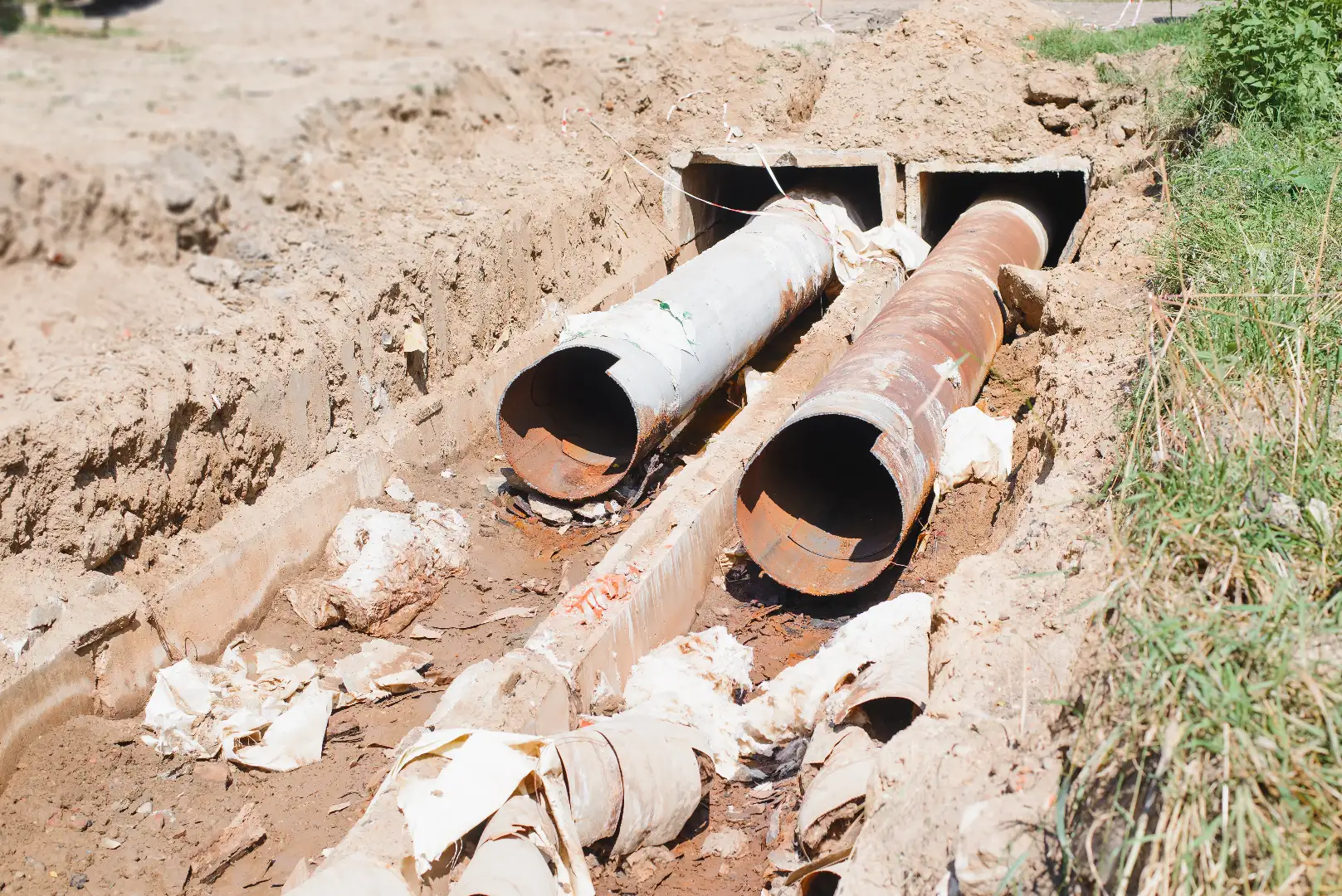
Toronto's geography, climate, and housing history create a unique set of sewer challenges. Understanding what causes sewer failure in GTA homes helps you recognize when you may be at risk of a sewer backup Toronto situation, even before symptoms appear. Proactive sewer camera inspection is the best way to avoid an emergency sewer line replacement Toronto scenario.
Tree Root Intrusion
Toronto's mature urban tree canopy, one of the most extensive in North America, is both an environmental treasure and a major contributor to sewer line damage. Tree roots naturally seek out moisture and nutrients, and your sewer pipe is an ideal source. Even hairline cracks in older pipes allow roots to enter; once inside, they grow rapidly and can completely block a pipe within months. Manitoba maples, willows, silver maples, and poplars, all common in Toronto neighbourhoods, are among the most aggressive root spreaders. Root intrusion is the number one cause of sewer backup in the city's established residential areas.
Aging Clay and Orangeburg Pipes (Pre-1980 Homes)
Homes built before 1980 in Toronto, which represents a significant portion of housing in areas like Scarborough, North York, Etobicoke, East York, and downtown neighbourhoods, were typically built with clay tile or Orangeburg (bituminized fibre) sewer pipes. These materials have a service life of approximately 50–60 years. Clay pipes crack and allow root intrusion; Orangeburg pipes, made of tar and cellulose, literally soften and collapse over time. If your home was built before 1980 and you've never had your sewer line inspected or replaced, there is a high probability your pipe is deteriorated.
Ground Shifting and Frost Heave
Toronto's freeze-thaw cycle, with temperatures regularly dropping below -20°C in winter and the clay-heavy soil common across the GTA, causes significant seasonal ground movement. This ground shifting places stress on underground pipes, causing joint separations and pipe misalignment. When joints shift apart even slightly, roots can enter and sewage can escape. Homes on slopes or near ravines (common in Don Valley, Humber River, and Highland Creek corridors) face additional risk from ground movement.
Grease and FOG (Fats, Oils & Grease) Buildup
Grease poured down kitchen drains solidifies in cool sewer pipes, gradually narrowing the pipe's diameter over years. In older, rough-walled clay pipes, grease adheres more readily than in smooth PVC. A grease-narrowed pipe is also far more susceptible to complete blockage by other debris. This is an especially common problem in older Toronto housing with original cast iron drain stacks, where rough pipe surfaces trap grease faster.
Combined Sewer Overflow During Heavy Rain
Much of Toronto's older sewer infrastructure uses combined sewers, a single pipe that carries both stormwater and sanitary waste. During heavy rainfall events, these pipes can become overwhelmed, causing sewage to be pushed backwards into connected homes. The August 2005 and July 2013 storms demonstrated how vulnerable Toronto's combined sewer areas are to this problem. Homes without backwater valves in these areas face significant backup risk during major rainstorms.
Traditional vs Trenchless Sewer Repair: Comparison
Not all sewer repairs require tearing up your yard or driveway. Trenchless sewer repair Toronto technology has transformed the industry over the past two decades, making it possible to repair many damaged pipes with minimal surface disruption. When evaluating options, from CIPP lining to full sewer line replacement Toronto, here's how the two main approaches compare:
| Factor | Traditional Excavation | Trenchless Repair (CIPP) |
|---|---|---|
| Excavation Required | Yes, full trench along pipe length | Minimal, access pits only |
| Disruption to Yard/Driveway | Significant, full restoration needed | Minimal to none |
| Typical Duration | 2–5 days | 1–2 days |
| Cost Range (Toronto) | $8,000–$20,000 | $3,000–$8,000 |
| Landscaping Restoration | Required, including sodding, paving, planting | Not typically required |
| Suitable for Collapsed Pipes | Yes | No, excavation required |
| Suitable for Root Intrusion | Yes | Yes (if pipe not fully collapsed) |
| New Pipe Material | PVC or ABS (full new pipe) | Epoxy-resin liner (pipe within pipe) |
| Expected Lifespan | 50+ years (PVC) | 25–50 years (CIPP liner) |
| Permit Required in Toronto | Yes | Often yes, verify with contractor |
Note: Trenchless repair is not suitable for all pipe conditions. A camera inspection is required to determine the best approach for your specific situation.
Our Sewer Camera Inspection Process
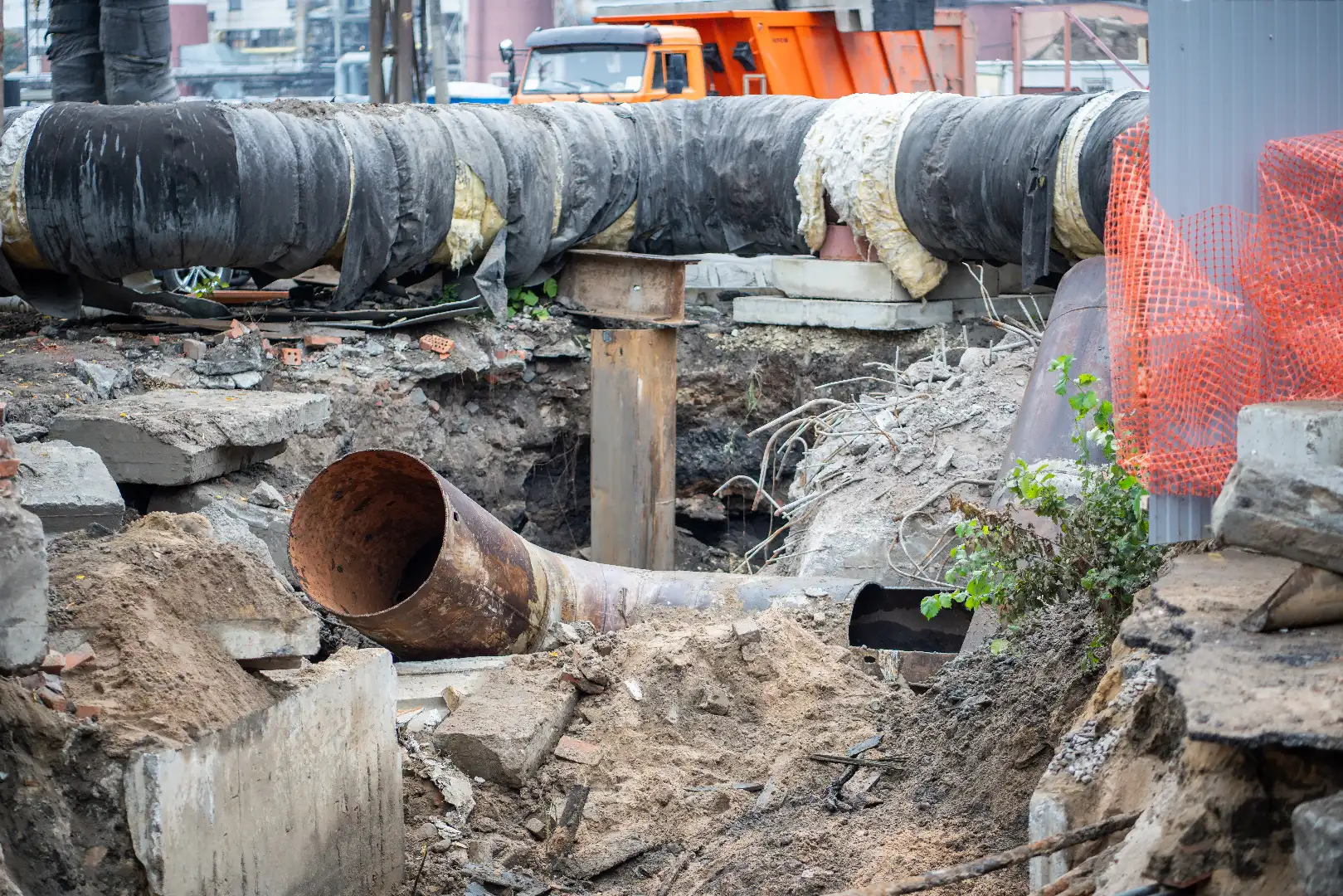
Accurate diagnosis is the foundation of every effective sewer repair. We never recommend a repair without first performing a full sewer camera inspection to identify exactly what's happening underground. Our video inspection process eliminates guesswork and ensures you're only paying for what's actually needed.
Access & Setup
Our technician accesses your sewer line through a cleanout, toilet, or floor drain. No excavation is needed at this stage. We use professional-grade waterproof camera equipment designed for 4" to 8" residential sewer lines.
Full Video Inspection
The camera travels the full length of your sewer lateral, typically from the house cleanout to the city connection at the street. We record HD video of the entire pipe interior, identifying cracks, root intrusion, grease buildup, joint separations, pipe material, and flow direction.
Location & Depth Marking
Using a pipe locator, we mark the exact location and depth of any defects on your property surface. This information is critical for planning trenchless repair access points or excavation, and for confirming whether work is on private property or within the City right-of-way.
Detailed Written Report
You receive a written inspection report with video footage, photographs of key issues, exact pipe measurements, and our diagnosis. This report is yours to keep. You can use it for insurance purposes, contractor comparisons, or real estate disclosure. We never pressure for immediate decisions after an inspection.
Repair Recommendations & Quote
Based on inspection findings, we provide a detailed written quote outlining all repair options, including both trenchless and traditional approaches where applicable, with clear pricing for each. We explain the pros and cons of each option and answer all your questions before any work begins.
Trenchless Pipe Lining Explained: CIPP Technology
Cured-In-Place Pipe (CIPP) lining is the most widely used trenchless sewer repair method in North America, and it has been deployed in Toronto residential projects for over 20 years. The process rehabilitates damaged pipes by creating a smooth, seamless new pipe inside the old one, without excavation.
How CIPP Lining Works
- 1 High-Pressure Cleaning: Before lining, we hydro-jet the pipe with high-pressure water (up to 4,000 PSI) to remove all debris, roots, and grease buildup. This ensures the liner bonds properly to the pipe wall.
- 2 Liner Preparation: A felt or fibreglass liner tube is cut to the exact length of the pipe section requiring repair and saturated with two-part epoxy resin. The resin is mixed precisely to achieve the correct cure time and structural properties.
- 3 Liner Insertion: The resin-saturated liner is inverted (turned inside out) into the host pipe using water or air pressure. As it inverts, it travels the full length of the damaged section, pressing the resin-coated surface against the inside wall of the old pipe.
- 4 Curing: The liner is pressurized to hold it firmly against the host pipe while the epoxy resin cures. Curing can be achieved with ambient temperature (2–4 hours), hot water (1–2 hours), or UV light (30–60 minutes). Once cured, the liner is rigid and structurally self-supporting.
- 5 End Cutting & Final Inspection: The ends of the cured liner are cut open at junctions and connections using a robotic cutter. A final camera inspection verifies the liner installation quality, confirms all lateral connections are restored, and documents the completed repair.
CIPP is Ideal For:
- • Cracked or fractured clay pipes
- • Root intrusion (roots already removed)
- • Joint separations
- • Pipes under driveways or landscaping
- • Pipes 4" to 12" diameter
Not Suitable For:
- • Fully collapsed or crushed pipes
- • Pipes with severe misalignment
- • Pipes with significant back-pitch
- • Very short sections (<1.5m)
- • Pipes with extensive bellying
CIPP Performance:
- • 25–50 year service life
- • Root-resistant smooth interior
- • No joint seams for future intrusion
- • Maintains or increases flow capacity
- • ASTM-certified materials used
Sewer Line Repair Cost Guide: Toronto & GTA
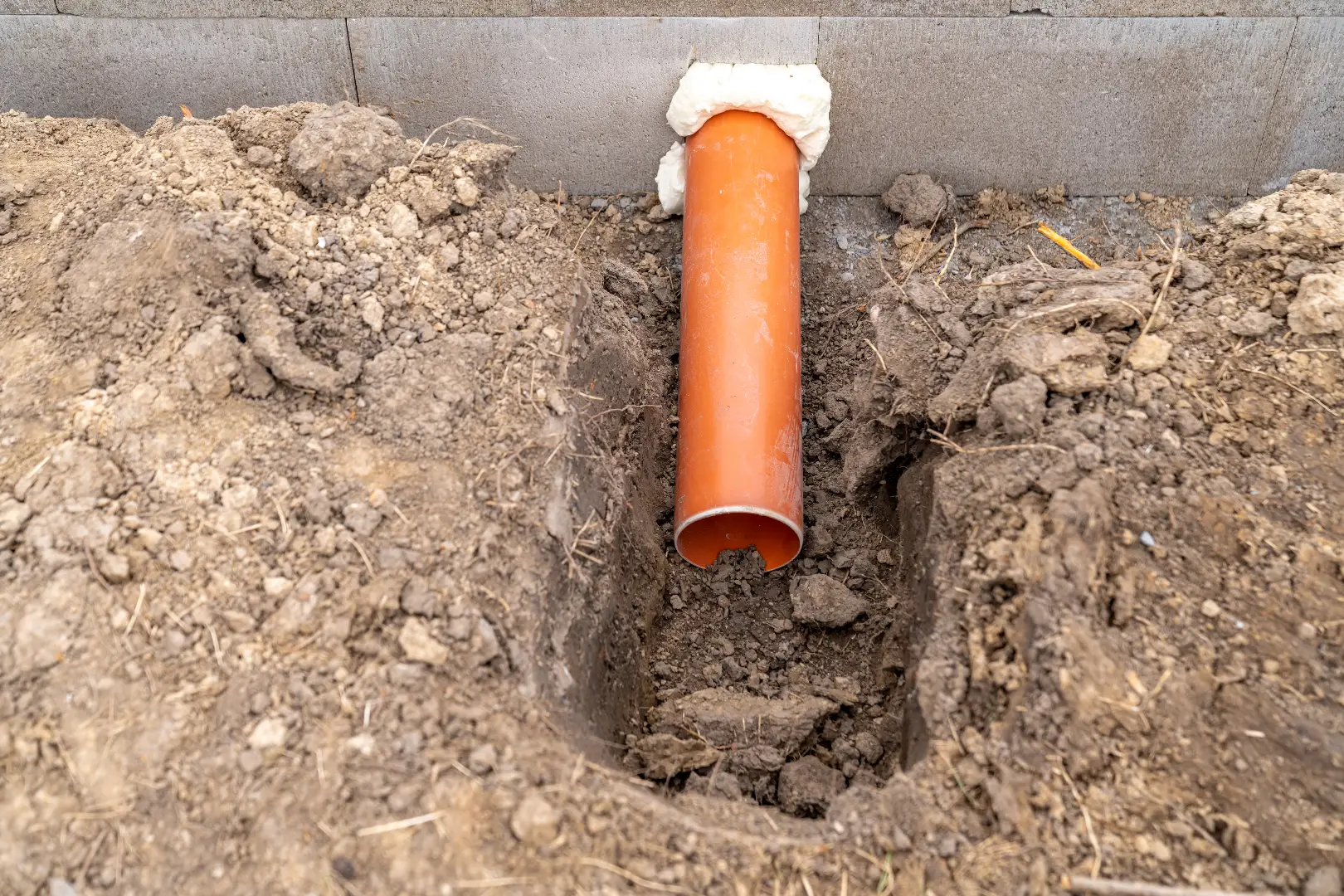
All prices below are approximate ranges for typical Toronto residential properties. Actual costs depend on pipe depth, access, length of repair, soil conditions, permit requirements, and whether surface restoration is needed. We provide firm written quotes after every camera inspection.
Prices are approximate and reflect typical ranges in the Toronto and GTA market as of 2024–2025.
| Service | Price Range (CAD) | Notes |
|---|---|---|
| Sewer Camera Inspection | $250 – $500 | Full HD video + written report. Often waived or credited toward repair cost. |
| Root Removal (Hydro-jetting) | $300 – $800 | High-pressure hydro-jetting to clear root mass. Does not prevent regrowth. Lining recommended after. |
| Trenchless CIPP Lining | $3,000 – $8,000 | Full-length liner for typical residential lateral (10–30m). Includes cleaning, lining, and final inspection. |
| Spot Repair (Excavation) | $1,500 – $5,000 | Targeted excavation and repair of a localized pipe defect. Suitable when only one section is damaged. |
| Full Sewer Line Replacement | $8,000 – $20,000 | Full excavation and PVC replacement from house to city connection. Includes backfill and surface restoration. |
| Sewer Lateral Under Road | Add $3,000–$8,000 | Road boring or cutting adds significant cost. Toronto permits and road restoration required. |
Toronto's Pre-1980 Homes & Clay Sewer Lines: A Critical Issue
A significant portion of Toronto's housing stock, particularly in the inner suburbs of East York, North York (south of Sheppard), Etobicoke, and Scarborough, as well as the older downtown and midtown neighbourhoods, was constructed before 1980 using materials that are now at or past the end of their service life.
The primary sewer pipe materials used in Toronto homes before 1980 were:
- • Clay tile pipe: The most common material in Toronto homes built from the 1920s through the 1960s. Clay is brittle, prone to cracking under ground pressure, and the joint spaces between individual tiles are ideal entry points for tree roots. Clay pipes in Toronto are routinely found to be cracked, offset, or completely root-impacted.
- • Orangeburg pipe: Used extensively in post-WWII construction (1945–1970s) as a cheaper alternative to clay, Orangeburg is made from layers of tar paper and wood pulp pressed together. It has no structural integrity when wet and tends to deform into an oval or collapse entirely. Orangeburg is considered end-of-life for pipes installed before 1975.
- • Cast iron: Used in some earlier 20th century construction for sewer stacks inside the home. While more durable than clay, cast iron corrodes over decades and can develop pinhole leaks or scale buildup that restricts flow.
Is Your Home at Risk?
Your home is at elevated sewer line risk if:
- ✓ Built before 1980
- ✓ Never had sewer line inspected or replaced
- ✓ Large trees within 5 metres of your sewer line path
- ✓ Experienced any previous drain slowness or backups
- ✓ Located in Scarborough, East York, or north Etobicoke
A proactive sewer camera inspection costs $250–$500 and could save you $15,000+ in emergency repairs and property damage.
Book Camera Inspection
Sewer Backup Insurance Claims in Ontario
Understanding what your insurance covers, and what it doesn't, before a sewer backup occurs can save significant financial hardship. Ontario home insurance policy coverage for sewer backup varies significantly between insurers, and many homeowners discover gaps in their coverage only after a backup has already happened.
What Sewer Backup Endorsement Typically Covers
- ✓ Cleanup and disinfection of affected areas
- ✓ Damage to finished basement (drywall, flooring, insulation)
- ✓ Replacement of damaged personal contents
- ✓ Temporary accommodation if home is uninhabitable
- ✓ HVAC and mechanical equipment damage
What Is Typically NOT Covered
- ✗ Cost of repairing or replacing the sewer pipe itself
- ✗ Damage caused by gradual seepage over time
- ✗ Damage to the City's portion of the sewer system
- ✗ Loss due to failure to maintain (known pre-existing issues)
- ✗ Backups without the sewer backup endorsement on your policy
Important: Document Everything
If you experience a sewer backup, call your insurance broker immediately. Take photos and video of all damage before any cleanup begins. Keep all receipts for emergency expenses. Our technicians can provide written documentation of the cause and scope of the backup for your insurance claim. We work with all major Ontario insurers and can bill directly in many cases.
The Backwater Valve Solution
Installing a backwater valve is the most effective way to prevent sewage from entering your home during combined sewer overflows, and it may reduce your insurance premium. Many Toronto homeowners qualify for up to $1,250 in rebates from the City of Toronto for backwater valve installation. Learn more on our Backwater Valve Installation page.
Frequently Asked Questions: Sewer Line Repair Toronto
How much does sewer line repair cost in Toronto?
Sewer line repair in Toronto costs between $250 for a camera inspection and up to $20,000 for a full replacement. Most homeowners pay $3,000–$8,000 for trenchless CIPP repair, which covers the majority of cracked or root-intruded pipes in Toronto's pre-1980 housing stock without excavation.
The total cost depends on: the extent of the damage (localized vs. full-length), pipe depth and access conditions, whether trenchless or excavation is required, length of the pipe section needing repair, and whether road or sidewalk crossing is involved. A sewer camera inspection, typically $250–$500, is the essential first step and provides the information needed for an accurate quote. We offer free written estimates after every inspection.
What causes sewer backup in Toronto homes?
Sewer backup in Toronto homes is most often caused by tree root intrusion, deteriorating clay or Orangeburg pipes in pre-1980 homes, and combined sewer overflow during heavy rainstorms. Grease buildup, ground shifting, and pipe collapse are also common contributors.
Toronto's combination of a mature urban forest (roots are everywhere underground), aging pre-war and post-war housing stock with clay and Orangeburg pipes, and a partially combined sewer system creates unique backup risks. The July 2013 storm, which dropped 126mm of rain on Toronto in less than 2 hours, caused over $900 million in insured losses, much of it sewer backup damage. Homes in Etobicoke, Scarborough, and the older downtown core without backwater valves are most vulnerable. Regular drain cleaning and a sewer camera inspection every 5–10 years are the best preventive measures.
Is trenchless sewer repair available in Toronto?
Yes, trenchless sewer repair using Cured-In-Place Pipe (CIPP) lining is available throughout Toronto and the GTA. This no-dig method repairs cracked, root-intruded, or deteriorated pipes by installing a structural epoxy liner inside the existing pipe, with no yard excavation required in most cases.
Trenchless CIPP lining is suitable for pipes that are cracked, root-intruded, or have minor joint separations, but the pipe must retain sufficient structural integrity to serve as a host for the liner. A camera inspection determines suitability. When trenchless repair is possible, it typically costs 40–60% less than full excavation and replacement when landscape restoration costs are factored in. We perform trenchless sewer repair across the GTA. Our licensed Toronto plumbers serve Scarborough, North York, Etobicoke, Mississauga, Brampton, and beyond.
Does home insurance cover sewer backup in Ontario?
Standard Ontario home insurance does not cover sewer backup unless you have a sewer backup endorsement added to your policy. This optional coverage typically costs $30–$100 per year and covers cleanup and damage to your property, but generally not the pipe repair itself.
If you have sewer backup coverage, it typically pays for professional sewage cleanup (biohazard remediation), structural damage to your basement, and replacement of damaged contents. The cost to repair or replace the actual sewer pipe is almost always a separate expense not covered by insurance. Installing a backwater valve can reduce your backup risk and may lower your sewer backup insurance premium. After any backup event, contact your broker immediately, document all damage photographically before cleanup, and request a written statement from your plumber describing the cause.
How long does sewer line repair take?
Most sewer line repairs in Toronto take one to three days. Trenchless CIPP lining for a standard residential lateral is typically completed in one full day. Traditional excavation and replacement takes two to four days. The sewer camera inspection alone takes two to three hours.
The timeline depends on the repair method, length of pipe requiring work, permit processing time, and site conditions. Toronto building permits for sewer work, required for most replacement projects, typically take two to five business days to process, which may add to the overall schedule. Emergency situations such as active backups or sewage coming into the home are prioritized; we can often perform camera inspection the same day and begin emergency repairs within 24–48 hours. We minimize the time your home's drainage is out of service and restore full function as quickly as possible.
Still Have a Sewer Line Repair Problem in Toronto & GTA?
Describe your sewer line repair issue below and a licensed Toronto & GTA plumber will call you back in under 15 minutes. No answering service, no voicemail.
- Licensed & Insured Master Plumbers
- 60-Minute Emergency Response in Toronto & GTA
- Real Plumber Answers, No Answering Service
- Upfront Pricing Before Any Work Begins
- 24/7 Service, 365 Days a Year Including Holidays
Limited Same-Day Spots Available Today
Our dispatch fills quickly. Submit now to secure your slot.
Get a Free Quote in 15 Minutes
Takes 30 seconds to fill out. We'll do the rest.
Related Plumbing Services
Drain Cleaning Toronto
Hydro-jetting and drain snaking for slow or clogged drains. Preventive maintenance to avoid sewer issues.
Learn more →Backwater Valve Installation
Protect your basement from sewer backup and qualify for up to $1,250 in City of Toronto rebates.
Learn more →Emergency Plumbing Toronto
24/7 emergency response for active sewer backups, floods, and plumbing emergencies across the GTA.
Learn more →Related Reading
Sewer Backup? Don't Wait.
Raw sewage is a health hazard. Our licensed Toronto plumbers are available 24/7 for sewer camera inspection and emergency repairs. We serve all of Toronto, Scarborough, North York, Etobicoke, and the broader GTA.
Licensed Ontario Plumbers · Sewer Camera Inspection · Trenchless Repair · GTA-Wide Service