Pipe Repair Toronto: Burst Pipes, Leak Detection & Replacement
From a pinhole leak behind your wall to a burst main line in winter, our licensed plumber Toronto team diagnose and repair all pipe repair Toronto problems across the GTA, fast.
Call (289) 514-1836Emergency Dispatch Available Now: 60-Minute Response
Signs You Have a Pipe Problem in Your Toronto Home
Pipe problems in Toronto homes often develop slowly before becoming a visible emergency. Catching the warning signs early can mean the difference between a minor repair and a major renovation project. Watch for these indicators and call our team for same-day service:
Unexplained Spike in Your Water Bill
If your Toronto Water bill increases significantly without any change in usage habits, a hidden leak is often the cause. Even a slow pinhole leak can waste thousands of litres per month. Cross-reference your bill with usage history. A sudden 30%+ increase warrants a professional leak detection inspection.
Damp Walls, Ceilings, or Floors
Moisture staining, bubbling paint, peeling wallpaper, or damp drywall are telltale signs of a pipe leaking inside your wall cavity or ceiling. In Toronto's century homes, this is particularly common in exterior walls where pipes were originally routed for access.
Reduced Water Pressure Throughout the House
A gradual or sudden drop in water pressure across multiple fixtures, not just one tap, can indicate a developing pipe leak, a partially closed main valve, or, in older Toronto homes with galvanized pipes, severe internal corrosion narrowing the pipe's interior diameter.
Discoloured or Rusty Water
Brown, orange, or reddish water coming from any tap, especially cold-water taps, is a sign of corroding pipes. In older Toronto homes (pre-1960), this frequently indicates aging galvanized steel supply pipes that have reached the end of their serviceable life and are leaching rust into your water.
Sounds of Running Water When Nothing Is On
Audible water sounds, such as dripping, running, or hissing, behind walls or beneath floors when all fixtures are turned off are a clear sign of a hidden leak. Don't ignore this; call for an acoustic leak detection inspection before the leak grows.
Mold or Mildew in Unexpected Areas
Mold growing on walls, floors, or ceilings away from showers or baths usually means sustained moisture from a pipe leak. Toronto's climate makes mold growth particularly aggressive once moisture establishes. Address the pipe source before mold remediation, or it will return.
Cracks in Foundation Near Water Lines
Small cracks appearing in basement walls or floors near where pipes enter the foundation can indicate pipe movement from freeze-thaw cycles or a leaking water service line eroding the soil beneath the foundation. This needs professional assessment promptly.
Wet Spots in the Yard
Consistently soggy patches in your yard, particularly in a line between your home and the street, during dry weather can indicate a leaking buried water service line or sewer pipe. This requires pipe locating equipment and potentially excavation.
Types of Pipe Damage We Fix in Toronto & the GTA
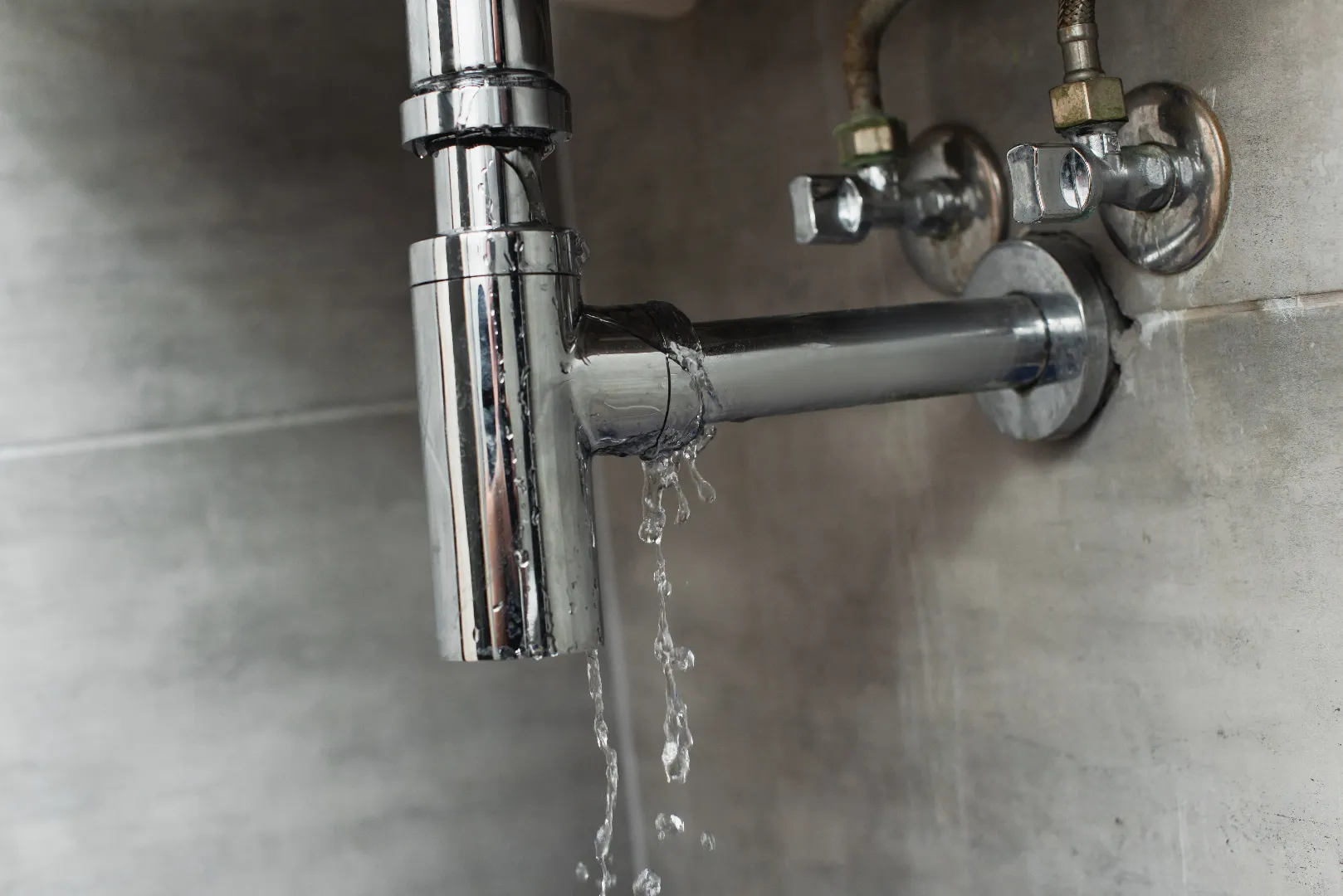
Our licensed plumbers handle the full spectrum of pipe problems found in Toronto's diverse housing stock, from Victorian-era homes in Cabbagetown to mid-century builds in Don Mills and modern condos in the Entertainment District. Whether you need burst pipe repair Toronto service or a quiet pipe leak Toronto traced and sealed, a burst pipe is always an emergency plumbing situation requiring immediate response to stop water damage.
Burst Pipe Repair
Burst pipes are plumbing emergencies requiring immediate response. A burst pipe can release hundreds of litres per hour, causing structural damage, mold, and electrical hazards. We provide 60-minute emergency response for burst pipe repair in Toronto and make both temporary and permanent repairs based on what the situation requires.
Corroded & Deteriorated Pipes
Corrosion is the most common pipe issue in Toronto's older housing stock. Galvanized steel pipes from the 1950s–1980s corrode internally, reducing flow and leaching rust. Copper pipes can develop pinhole leaks from high water velocity or aggressive water chemistry. We assess corrosion extent and recommend either targeted repair or full section replacement.
Frozen Pipe Thawing & Repair
Toronto winters regularly bring sustained sub-zero temperatures that freeze pipes in exterior walls, crawlspaces, and unheated garages. We safely thaw frozen pipes using controlled heat methods that prevent steam explosions, then inspect for any cracking caused by the freeze expansion. Pipes that have partially cracked are repaired or replaced.
Pinhole Leak Repair
Pinhole leaks in copper pipes are particularly common in Toronto homes built in the 1960s–1980s where water chemistry or high velocity caused pitting corrosion. A single pinhole leak often signals the beginning of system-wide pitting, and we'll advise on the full extent of risk during the repair visit.
Pipe Joint Failures
Threaded joints, soldered connections, compression fittings, and push-fit connectors all have finite lifespans. Joint failures are especially common where dissimilar metals were connected (galvanized to copper) causing electrolytic corrosion, or where old lead-tin solder has deteriorated on original copper joins in older Toronto homes.
Lead Pipe Replacement
Lead water service pipes are still present in thousands of Toronto homes built before 1955. Lead leaches into drinking water and poses serious health risks, especially for children. The City of Toronto offers a partial lead pipe replacement program. We handle the private property portion and coordinate with city infrastructure work.
Our Pipe Repair Process: From Leak Detection to Restored Walls
We follow a systematic process that minimizes unnecessary damage to your home while ensuring the repair is thorough and permanent:
Non-Invasive Leak Detection
Before opening any walls, we use acoustic detection equipment, thermal imaging, moisture meters, and pressure testing to precisely locate the leak source. This reduces the area of wall or flooring we need to access, minimizing disruption and restoration costs.
System Isolation
We isolate the affected section of pipe by shutting off the appropriate supply valves or zones. This allows us to work safely and, in many cases, maintain water service to other parts of the building while the repair is underway.
Careful Access
When wall or floor access is required, we make precise, minimal cuts to expose only what's needed. We use tools that leave clean edges for easier restoration and photograph every step for your records.
Pipe Repair or Replacement
The damaged section is repaired or replaced using appropriate materials: copper for copper systems, PEX for flexible runs, CPVC or other approved materials as required by Ontario's Plumbing Code. All soldering, pressing, or crimping is performed by licensed journeymen plumbers.
Pressure Test & Inspection
Once the repair is complete, we pressure-test the system to confirm no remaining leaks. For major repairs, we test the system at elevated pressure for a period to confirm integrity before we close up any wall access.
Documentation & Restoration Guidance
We provide a detailed work report with photos, materials used, and warranty information. For wall or floor access, we reinstall any cut drywall as rough patches and advise on engaging a drywall contractor for final finishing, or can arrange this through our trade partners.
Pipe Materials in Toronto Homes: What You Need to Know
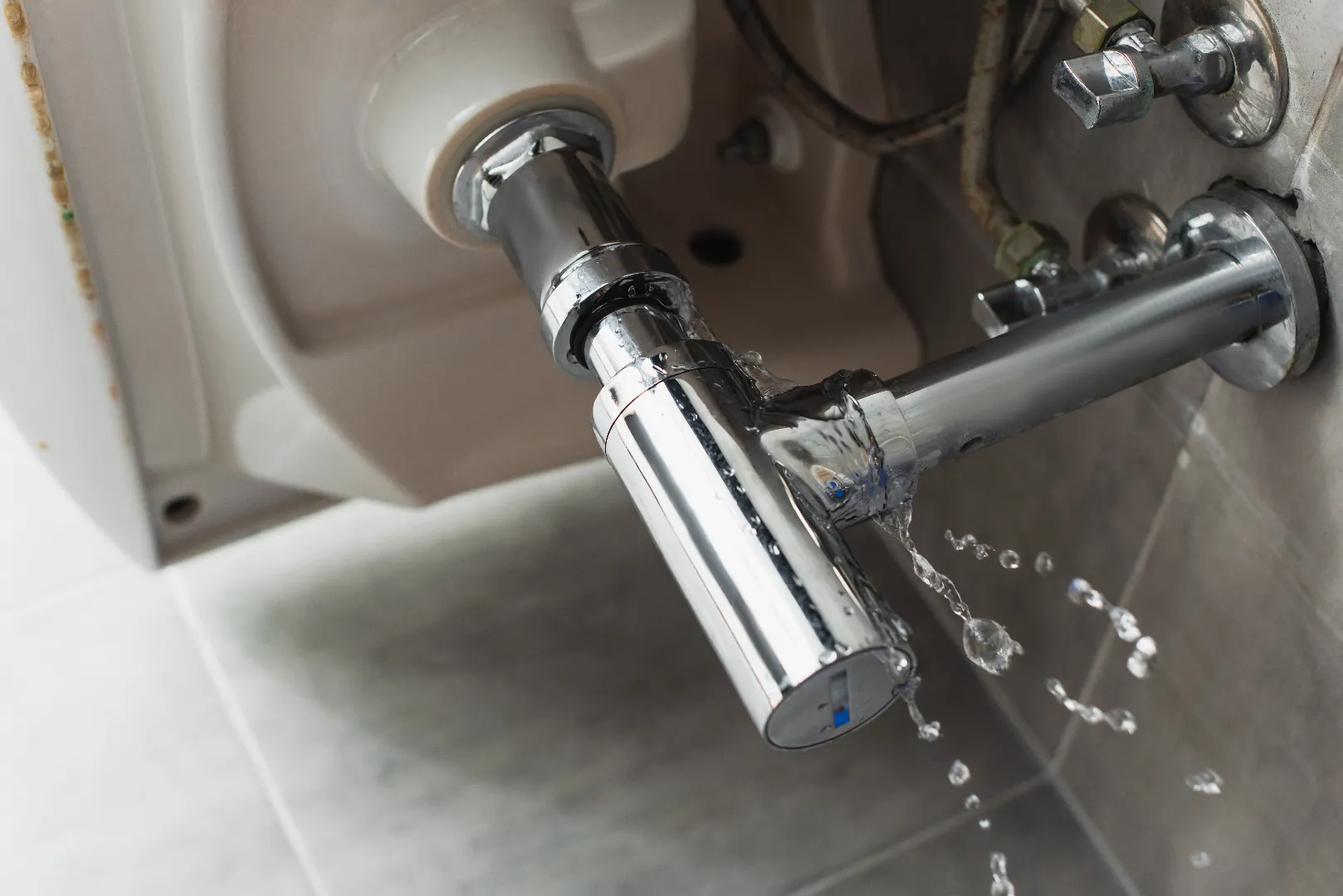
Toronto's housing stock spans over 150 years of construction, and the plumbing materials used changed significantly across different eras. Understanding what's in your home helps you anticipate issues and make informed decisions about repairs vs replacement. Where pipes connect to the street, separate water line repair services may be required for the buried service connection.
Copper Pipe
Common era: 1950s–Present
The gold standard of residential plumbing materials. Copper is durable, resistant to bacteria, and has an expected lifespan of 50+ years in ideal conditions. Most Toronto homes built from the 1950s onward have copper supply lines. Issues arise from pinhole corrosion (often related to water chemistry or high flow velocity), failed solder joints in older installations, and freeze damage. Repairable by section; full replacement rarely necessary unless damage is widespread.
Galvanized Steel Pipe
Common era: 1930s–1970s
Steel pipe coated with zinc galvanizing was the standard supply pipe material before copper became dominant. After 40–70 years of service, the zinc coating fails, and the steel corrodes internally, progressively narrowing the pipe interior and reducing water pressure throughout the house. Discoloured (rusty) water is the hallmark symptom. Full replacement with copper or PEX is the recommended solution for homes still on original galvanized supply lines.
PVC / CPVC Pipe
Common era: 1970s–Present
PVC (polyvinyl chloride) is widely used in Toronto for drain, waste, and vent (DWV) systems. CPVC (chlorinated PVC) handles hot water and is found in some supply systems. Both materials are durable and resistant to corrosion. Failures are typically at joints, fittings, or areas of physical damage rather than the pipe body itself. Easy to repair with standard fittings and cement.
PEX (Cross-linked Polyethylene)
Common era: 2000s–Present
PEX has become the preferred modern supply pipe material for residential plumbing in Toronto. Flexible, resistant to freeze damage (it expands rather than bursting), and easy to install with crimped or push-fit fittings. PEX is our material of choice for pipe replacements and re-piping projects. Expected lifespan 50+ years. Slightly more susceptible to UV damage if exposed, so not recommended for exterior applications.
Lead Pipe
Common era: Pre-1955
Lead was used for water service lines (the pipe connecting your home to the city main) in Toronto homes built before approximately 1955. Lead leaches into drinking water at levels that cause serious neurological harm, particularly in children. The City of Toronto has an active Lead Pipe Replacement Program that subsidizes replacement of the city-side portion. We handle the private property (your-side) replacement and can help you navigate the city program application.
Pipe Repair Cost Guide: Toronto & GTA Pricing
Pipe repair costs vary considerably based on the severity of damage, pipe location, material, and whether wall or floor access is required. A pipe leak Toronto call that reaches us early is always less costly than a burst pipe repair Toronto job where water damage has already spread. Here's a realistic breakdown of what to budget for pipe repair in Toronto. If the damage extends to your main sewer lateral, you may also need sewer line repair as part of the same project.
Minor Pipe Repair
Accessible pipe, single section
- ✓ Exposed supply line repair
- ✓ Fitting or joint replacement
- ✓ Small pinhole patch & sleeve
- ✓ Shut-off valve replacement
Major Pipe Repair
Wall/floor access required
- ✓ Burst pipe replacement
- ✓ In-wall pipe section repair
- ✓ Supply line rerouting
- ✓ Leak detection + repair
Full Re-Piping
Whole-home pipe replacement
- ✓ Galvanized to copper/PEX
- ✓ Lead pipe removal
- ✓ Full system pressure test
- ✓ Permits included
All prices are estimates. Emergency and after-hours rates apply for burst pipe calls. HST extra. Written quotes provided before work begins.
Frozen Pipe Prevention Tips for Toronto Homeowners
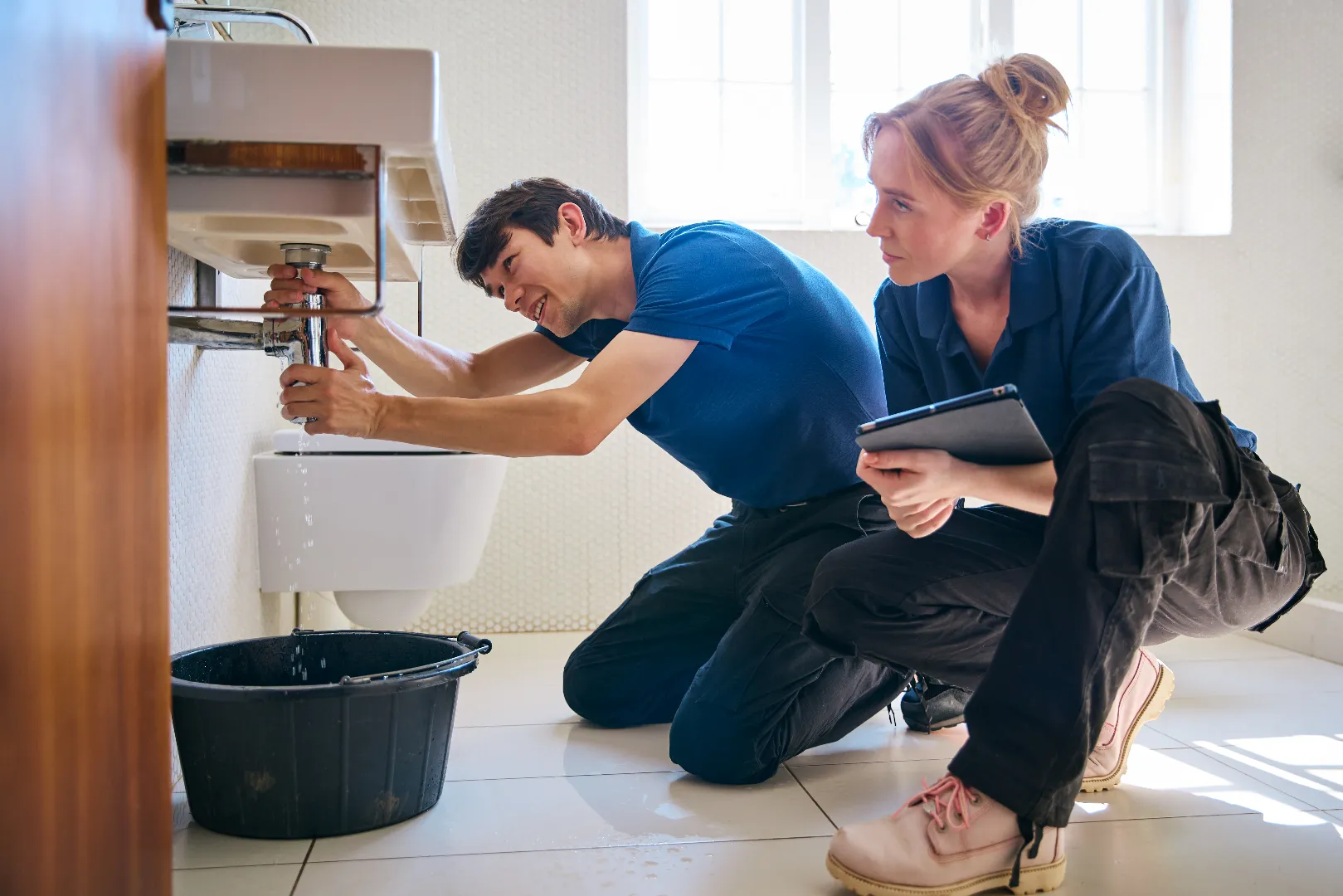
Toronto's winters are harsh enough that a frozen pipe Toronto emergency is a real risk each year, particularly in older homes with pipes in exterior walls, cold storage areas, and poorly insulated crawlspaces. The polar vortex events that hit the GTA in recent years have caused widespread frozen pipe Toronto situations and burst pipe repair Toronto calls. Call (289) 514-1836 immediately if your pipes have frozen. Prompt action prevents a pipe leak Toronto from turning into a burst. Here's how to protect your home:
Before Winter Arrives
-
Insulate pipes in unheated areas
Wrap pipes in crawlspaces, unheated garages, and along exterior walls with foam pipe insulation. Focus on the north and west-facing walls where Toronto's prevailing winter winds hit hardest.
-
Seal gaps and air leaks near pipes
Cold air intrusion through foundation cracks, rim joists, and service entry points dramatically increases freeze risk. Seal with expanding foam or weatherstripping before temperatures drop.
-
Service your heating system
A furnace failure during a cold snap will cause pipes to freeze quickly. Annual furnace maintenance in the fall, before Toronto's first hard freeze, protects your entire plumbing system.
-
Know your main water shut-off location
In a burst pipe emergency, seconds count. Ensure everyone in your household knows exactly where the main shut-off valve is and that it operates freely before winter.
During Cold Snaps
-
Keep heat at minimum 15°C (60°F), even when away
Dropping your thermostat too low while on vacation is a leading cause of frozen pipes in Toronto. Set a minimum of 15°C to protect pipes throughout the home, especially in exterior wall cavities.
-
Let faucets drip during extreme cold
Running even a small trickle from taps fed by vulnerable exterior-wall pipes keeps water moving, which significantly reduces freeze risk during Toronto's coldest nights (below -15°C).
-
Open cabinet doors under sinks on exterior walls
Kitchen and bathroom sink cabinets on exterior walls restrict warm air circulation to the pipes. Opening cabinet doors during cold snaps allows ambient heat to reach these vulnerable pipes.
-
Check on vacant properties
If you're a landlord with a vacant unit, or you're leaving a seasonal property unoccupied, have a trusted person check daily during extended cold spells. Frozen pipes in unoccupied properties often burst undetected for days.
Lead Pipe Replacement in Toronto: What Property Owners Need to Know
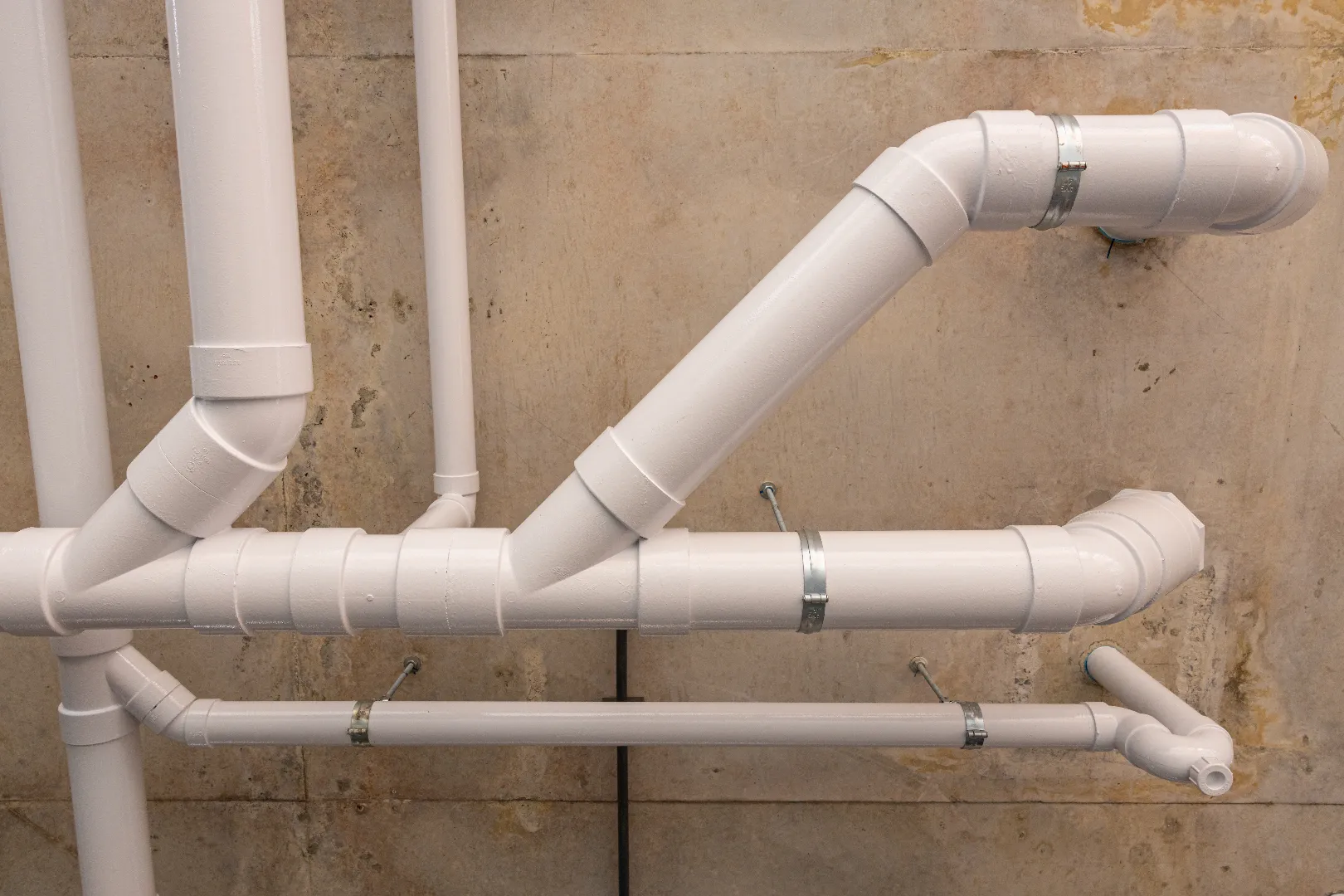
Lead water service lines, the pipe connecting your home to the city water main beneath the street, were standard construction material in Toronto until approximately 1955. Estimates suggest over 80,000 properties in Toronto still have lead service pipes on the private side (from the curb stop to the home).
Lead leaches into drinking water, particularly when water sits in pipes overnight or when the water chemistry is slightly aggressive. Health Canada's guideline for lead in drinking water is 5 micrograms per litre (µg/L). Lead pipes regularly exceed this in older Toronto homes.
The City of Toronto's Lead Pipe Replacement Program
The City of Toronto has an active subsidy program for lead pipe replacement that covers the city-owned portion of the water service (from the city main to the property line). As a property owner, you are responsible for replacing the private side, from your property line to the house connection point.
Emergency Repair Plumbers works with homeowners to coordinate the private-side replacement with the City of Toronto's scheduled public-side work. This coordination is important because replacing only one side of the lead service pipe is significantly less effective. Water can leach lead from the remaining pipe section.
Check if Your Home Has Lead Pipes
If your home was built before 1955, call 311 or check the City of Toronto's Lead Pipe Registry. We can also assess your pipe material when you call us for any plumbing service. We check at the water meter connection point where pipe material is visible.
Lead Service Replacement: What to Expect
Check with City of Toronto (311 or online portal) and have us inspect at your water meter. Lead pipes are grey and soft. Scratching reveals silver-bright metal underneath.
The City of Toronto Lead Service Replacement Program handles the public-side work. Apply at toronto.ca or call 311. We can assist with the application documentation.
We replace the lead pipe on your property, typically from the foundation wall or curb stop to the house connection, with copper or approved plastic pipe. This usually requires a small excavation at the exterior wall.
$2,000–$4,000 depending on depth and length. City program covers public-side costs separately.
Frequently Asked Questions: Pipe Repair Toronto
How much does pipe repair cost in Toronto? +
What should I do if a pipe bursts in my home? +
How do plumbers detect hidden leaks? +
How long does pipe repair take? +
When should pipes be replaced vs repaired? +
Still Have a Pipe Repair Problem in Toronto & GTA?
Describe your pipe repair issue below and a licensed Toronto & GTA plumber will call you back in under 15 minutes. No answering service, no voicemail.
- Licensed & Insured Master Plumbers
- 60-Minute Emergency Response in Toronto & GTA
- Real Plumber Answers, No Answering Service
- Upfront Pricing Before Any Work Begins
- 24/7 Service, 365 Days a Year Including Holidays
Limited Same-Day Spots Available Today
Our dispatch fills quickly. Submit now to secure your slot.
Get a Free Quote in 15 Minutes
Takes 30 seconds to fill out. We'll do the rest.
Related Services
Pipe problems often connect to emergency situations and water line concerns:
Related Reading
Pipe Leak or Burst Pipe? Call (289) 514-1836: Emergency Response Available
Our licensed plumbers handle every pipe problem from pinhole leaks to burst mains, across all of Toronto and the GTA, 24/7.
(289) 514-1836