Understanding Your Home's Plumbing System: Toronto Guide
The home plumbing system Toronto homeowners interact with dozens of times every day is a surprisingly logical network of pipes, valves, and fixtures, once you understand how it's organized. Residential plumbing Toronto-wide follows the same fundamental design principles, whether you're in a Victorian semi-detached in Cabbagetown or a new build in Scarborough. This guide explains every part of your system in plain language, so that when something goes wrong, you know what you're dealing with and can communicate clearly with your plumber.
The Two Plumbing Subsystems in Every Toronto Home
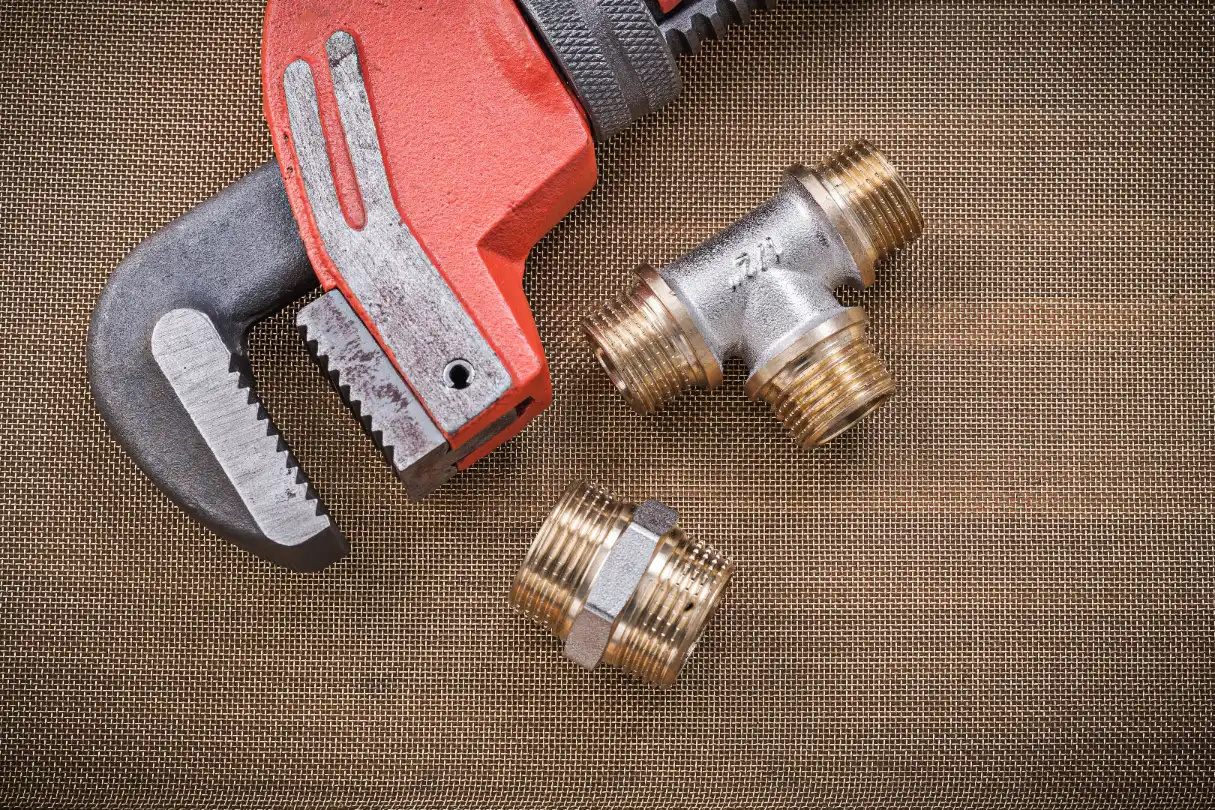
Toronto plumbing systems, whether in a 1910 Annex detached, a 1960s Etobicoke bungalow, or a 2020 Distillery District condo, follow the same fundamental design. Every residential plumbing system, regardless of the home's age, size, or neighbourhood, consists of exactly two subsystems working in opposite directions simultaneously. A licensed plumber Toronto homeowners trust can diagnose problems in either subsystem quickly when you understand how they interact:
- The water supply system brings fresh, pressurized water into your home from the municipal main, distributes it to every fixture and appliance, and splits it into cold supply and hot supply (via the water heater) throughout the house.
- The drain-waste-vent (DWV) system removes used water and waste from every fixture, carries it downward by gravity through progressively larger pipes, and discharges it to the city's sewer main beneath the street. The vent portion of this system allows air into the drain pipes so waste flows freely rather than creating suction.
These two systems operate completely independently. The supply system runs under pressure (typically 50–70 PSI in Toronto). The drain system runs entirely by gravity at zero pressure. Understanding this distinction is the foundation of diagnosing any plumbing problem: pressure loss or water quality issues point to the supply system; slow drains, backups, or odours point to the DWV system.
Your Home's Water Supply System Explained
Fresh water enters your Toronto home through a single underground service line that connects your property to Toronto Water's distribution main beneath the street. This service line is typically 3/4-inch or 1-inch copper or plastic pipe, running from the water main at the property line to your basement through the foundation wall.
Here is the sequence water follows from the street to your faucet:
- Water main beneath the street (Toronto Water's responsibility up to the curb stop)
- Underground service line from curb stop to house (homeowner's responsibility)
- Entry through the foundation wall
- Water meter (measures consumption for billing)
- Main shutoff valve (controls all water to the entire home)
- Pressure reducing valve (PRV): steps down municipal pressure to safe household range
- Distribution branches to cold water fixtures throughout the home
- Cold water inlet to water heater, which produces hot water distributed to hot water fixtures
Toronto Water delivers water at pressures between 50 and 100 PSI at the main, depending on the area and elevation. The PRV in your home reduces this to a safe working pressure, typically 50–65 PSI, that protects your pipes, fixtures, and appliances from the stress of excessive pressure. Many GTA homeowners also add a water softener at the point of entry to address the moderately hard municipal water supply throughout the region.
The Drain-Waste-Vent (DWV) System
The drain system is a gravity-fed network that gets progressively larger as it moves toward the sewer. Individual fixture drains, including your bathroom sink, shower, tub, and toilet, connect to branch drains. Branch drains connect to the main stack (the large vertical pipe that runs from basement to roof). The main stack connects to the building drain at the base, which exits the home underground and connects to the city's sewer lateral.
The vent component is what makes the drain work reliably. Without venting, draining water creates a partial vacuum behind it, like draining a bottle sealed at one end. This vacuum slows drainage and can siphon water out of the P-traps that seal fixture drains against sewer gas. Vent pipes allow air into the system at fixture level, maintaining atmospheric pressure throughout the drain network and ensuring water flows freely at the intended slope (1/4 inch per foot for horizontal runs under Ontario's plumbing code).
You can't see the vent system from inside your home. It terminates through a pipe that exits through your roof. But you can see its effects: if gurgling sounds come from drains when you flush a toilet elsewhere in the home, venting is the first thing to investigate.
Key Plumbing Components Every Toronto Homeowner Should Know
Main Shutoff Valve
The single most important piece of plumbing knowledge any homeowner can have is the location and operation of their main shutoff valve. This valve, installed on the main service line just after the water meter in the basement, controls all water to the entire home. In any plumbing emergency, such as a burst pipe, a failed water heater, or a broken supply line, this is the first thing you operate.
In Toronto homes, the main shutoff is almost always located in the basement, near the front wall of the house at the point where the service line enters. In older homes, it may be a gate valve (round wheel-shaped handle that requires multiple turns). In newer or renovated homes, it is likely a ball valve (lever handle that requires a quarter turn to close). Know where yours is and test it annually. A valve that hasn't been operated in a decade may be seized when you need it most.
Water Meter
The water meter in your Toronto home is typically located in the basement near the main shutoff valve, sometimes inside a utility closet or mechanical room. It measures water consumption in cubic metres and reports usage to Toronto Water for billing. The meter also serves as a leak detection tool: if the dial on your meter is advancing when every fixture in your home is shut off, you have a confirmed supply leak somewhere in the system.
Pressure Regulator (PRV)
The pressure reducing valve looks like a bell-shaped fitting on the main supply line, usually within a few feet of where the service line enters the home. Inside is a spring-loaded diaphragm that throttles incoming pressure down to a set point, typically stamped on the valve body. PRVs have a lifespan of 10–15 years. When they fail, you may experience either very low pressure throughout the house (the valve is stuck closed or undersized) or excessively high pressure (the valve has lost its regulating function). A plumber can test and replace a PRV in under two hours.
P-Traps Under Every Fixture
Look under any sink and you'll see a U-shaped or P-shaped pipe section just below the drain. This is the P-trap, and it is one of the most important safety components in your home's plumbing. The curved section always holds a small amount of water. This water plug is a seal that prevents sewer gases (including hydrogen sulphide and methane) from traveling from the drain system back up into your living spaces.
Every fixture in your home has a P-trap: sinks, tubs, showers, laundry tubs, and floor drains. Floor drains in Toronto basements are often neglected. If the trap dries out (which happens when a drain isn't used for months), it needs to be refilled with water, or better, with a water-retention primer. A dry floor drain trap is often the source of mysterious sewage smells in Toronto basements.
Cleanouts
Cleanouts are capped access points in the drain system that allow a plumber to insert a snake or camera directly into the drain pipe without disassembling fixtures. They are typically located at the base of the main stack in the basement, at the building drain before it exits the foundation, and sometimes outside near the property line for access to the sewer lateral.
Know where your cleanouts are located. When you call a plumber about a drain backup, they will head straight to the nearest cleanout for the affected line. If a cleanout cap is missing, corroded, or inaccessible due to renovation work covering it, tell your plumber ahead of time.
Vent Stack
The vent stack is the main vertical vent pipe that rises from the drain system through all floors of your home and exits through the roof. You've seen the pipe cap on Toronto rooftops. This pipe serves two functions: it admits air into the drain system (preventing vacuum and enabling gravity drainage), and it expels sewer gases safely above the building rather than allowing them to accumulate indoors.
The vent stack can become blocked by bird nests, leaves, or ice in winter. A blocked vent stack causes gurgling sounds from drains, slow drainage throughout the house, and sometimes sewer gas odours as the system struggles to maintain air balance. Vent stack blockages require a plumber or roofer to access and clear the pipe from the roof. Persistent slow drainage throughout the home should prompt a call for professional drain cleaning to rule out a deeper blockage.
How Water Heaters Integrate With Your Toronto Plumbing System
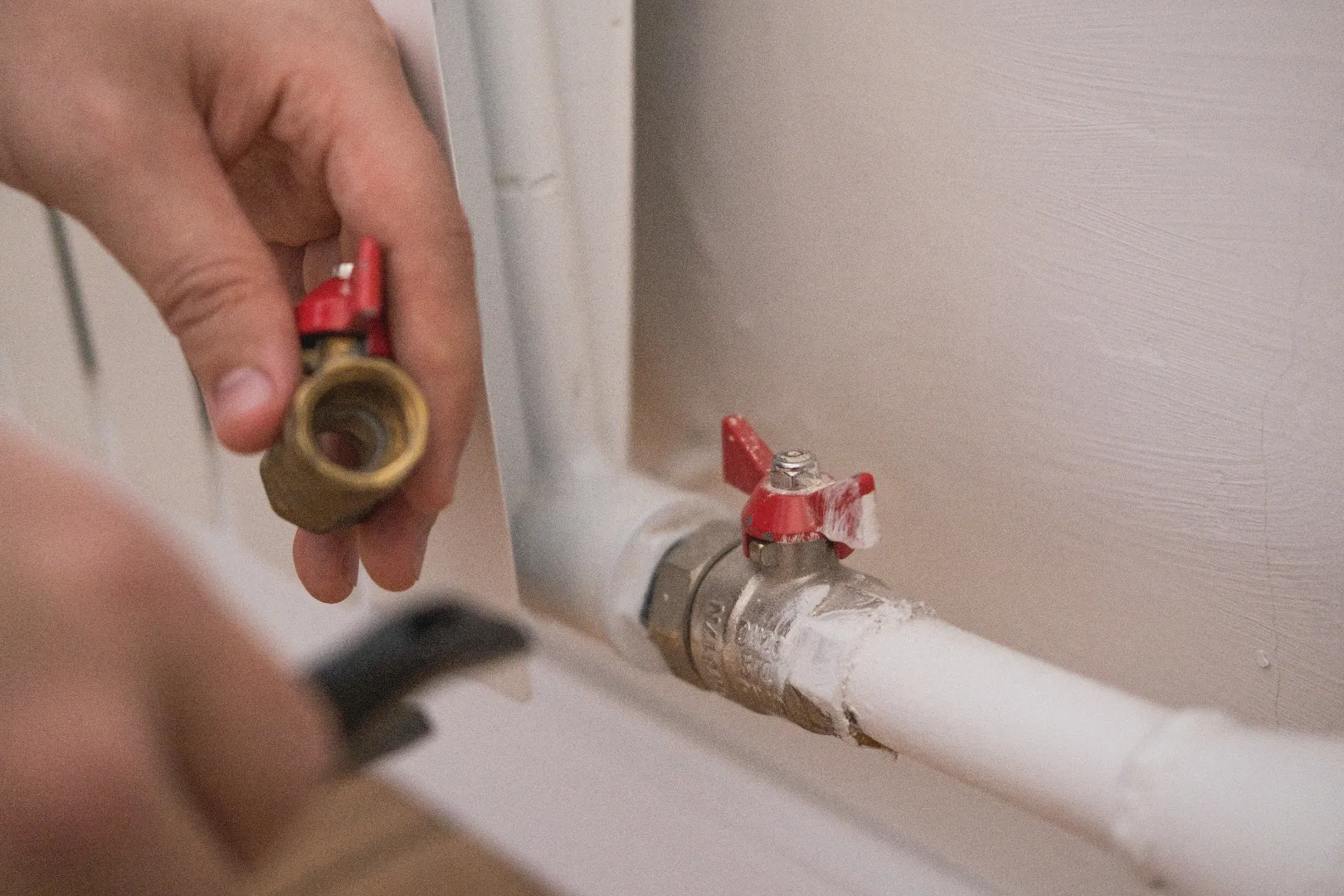
Your water heater is the point where the cold water supply splits: the main cold line continues directly to cold water fixtures throughout the home, while a branch feeds cold water into the water heater. The heater heats it, stores it (in a tank heater) or produces it on demand (in a tankless), and supplies it through a separate hot water distribution network that runs parallel to the cold supply throughout the home.
In Toronto, most homes use natural gas or electric tank-style water heaters. The water heater connects to the supply system via a cold water inlet valve at the top (or bottom for some tankless units) and discharges hot water through a hot outlet at the top. A temperature and pressure relief (T&P) valve on the side is a critical safety device. It opens automatically if tank pressure or temperature exceeds safe limits, releasing water to prevent an explosion. This valve must be tested annually and replaced if it fails to reseat.
Tankless (on-demand) water heaters are increasingly common in newer Toronto construction and renovations. These units heat water instantly as it flows through a heat exchanger, eliminating the standby heat loss of a tank and providing unlimited hot water. They require higher gas flow rates or dedicated electrical circuits and must be properly sized for the household's peak demand.
The Sewer Connection: From Your Home to Toronto's Municipal System
The building drain, the main horizontal drain at the base of your home's DWV system, exits the foundation wall and transitions underground to the sewer lateral, the pipe that carries your home's waste to the city's sewer main beneath the street. This lateral is typically 4-inch or 6-inch pipe, installed at a minimum slope of 1/4 inch per foot.
In pre-1960 Toronto homes, the sewer lateral is almost certainly clay tile pipe. In homes built between 1960 and 1980, it may be cast iron, Orangeburg (bituminous fibre), or early plastic. Post-1980 construction uses PVC, which is far more durable, smooth-flowing, and resistant to root intrusion. The transition from the lateral to the city main typically occurs beneath the street, and the city's responsibility begins at the property line.
The Toronto sewer system in older central neighbourhoods is a combined system, meaning stormwater and sanitary sewage share the same pipes. During heavy rainfall events, this system can be overwhelmed, potentially causing sewage to back up into basements through floor drains. Backwater valves, installed at the building drain before it exits the home, can prevent this backup by automatically sealing the drain during surcharge events. Toronto and the Province have offered rebate programs for backwater valve installation; check with the City of Toronto for current program availability.
Common Plumbing Problems and Which System They Affect
Understanding which subsystem is involved helps you communicate clearly with your plumber and understand the diagnosis:
- Low water pressure throughout the home: supply system; likely the PRV, main shutoff, or corroded supply pipes
- Low pressure at one fixture only: supply system; likely an aerator clog or fixture-specific valve
- Slow drain at one fixture: DWV system; localized clog in the branch drain
- Slow drains throughout the home: DWV system; main sewer lateral partial blockage
- Sewage backup in basement: DWV system; sewer lateral blockage or city system surcharge
- Gurgling sounds from drains: DWV system; vent stack blockage or partial sewer obstruction
- Sewer smell inside the home: DWV system; dry P-trap, cracked vent pipe, or sewer line failure
- Water hammer (banging pipes): supply system; excessive pressure, missing or failed air chambers
- Discoloured or rusty water: supply system; corroded galvanized pipes or aging water heater tank
Plumbing in Older Toronto Homes vs. Newer Builds
Toronto's housing stock spans over a century, and the plumbing materials used changed significantly over that time. Knowing what your home has helps you understand its risks:
- Pre-1960 homes: Galvanized steel supply pipes (corrode internally over decades, progressively restricting flow), clay tile sewer lateral (fragile, root-prone), lead service lines (being replaced by Toronto Water's lead pipe replacement program; check if yours has been replaced)
- 1960–1980 homes: Copper supply pipes (excellent longevity, though some areas with acidic water see pinhole corrosion), cast iron DWV drains (heavy, durable, but eventually corrodes), possible Orangeburg sewer lateral
- 1980–2000 homes: Copper supply (standard), ABS plastic DWV (lightweight, durable), PVC sewer lateral (much more reliable than older materials)
- Post-2000 homes: PEX supply pipe is increasingly standard, flexible, freeze-resistant, corrosion-proof, and easy to install; PVC or ABS DWV; PVC sewer lateral
If your pre-1960 home still has galvanized supply pipes, which are common throughout older Toronto neighbourhoods like Weston, Mount Dennis, Swansea, and New Toronto, pipe replacement is one of the most valuable investments you can make. The improvement in water pressure, flow volume, and water quality is often dramatic, and you eliminate a significant failure risk that only grows with time. Toronto plumbing professionals typically complete a full repiping in three to five days with manageable disruption to daily life.
When to Shut Off Your Water in a Toronto Home Emergency
Knowing when to immediately shut off the main water supply versus when to use a fixture-specific shutoff saves both time and damage in an emergency:
Use the main shutoff immediately for: a burst pipe anywhere in the supply system; a water heater that is leaking from the tank body; a supply line failure under a sink or behind a toilet that won't respond to the local shutoff valve; any leak you cannot identify or control at its source. Once water is shut off, call emergency plumbing service for rapid response.
Use a fixture-specific shutoff for: an overflowing toilet (use the valve behind the toilet base); a leaking faucet supply line (use the valve under the sink); a dripping appliance connection (use the appliance shutoff valve). Fixture-specific shutoffs are preferable when they work because they isolate only the affected area and leave the rest of the home functional while waiting for service.
If either the main shutoff or the fixture shutoff valve is seized, corroded, or ineffective, go to the curb stop at the property line. This requires a curb key tool to operate the valve in the underground box. If you do not have one, call Toronto Water at 311. They will dispatch a crew to shut off the street-level supply.
Understanding Your Toronto Water Bill and What Affects It
Toronto Water bills residents based on metered consumption in cubic metres (m³). The average Toronto household uses approximately 150–200 m³ per year. Your bill reflects actual usage as measured by the meter, which means any leak in your supply system increases your bill directly.
Common causes of unexpectedly high Toronto water bills: a running toilet (a toilet with a failed flapper can waste 200–400 litres per day; check by adding food colouring to the tank and watching if it seeps into the bowl without flushing); a dripping faucet (a faucet dripping once per second wastes roughly 30 litres per day); an underground supply leak between the meter and your fixtures; or a irrigation system leak if you have automated lawn irrigation.
If your bill spikes without explanation, check the meter with all fixtures off. An advancing meter dial confirms an active leak. Identify and repair it promptly. Toronto Water does not typically offer billing adjustments for plumbing leaks inside the home, so the cost of the leak accumulates until it's fixed.
Frequently Asked Questions
Where is the main water shutoff valve in a Toronto home?
In the vast majority of Toronto homes, the main shutoff valve is in the basement, on the front wall of the house near where the water service line enters through the foundation. It is located close to the water meter, usually within a few feet. In some older Toronto row houses and semi-detached homes, it may be inside a utility closet, under the kitchen sink (main floor), or in a cold room adjacent to the front of the basement. If you have never located yours, make finding it a priority today. You will need it instantly during any water emergency.
What type of pipes do Toronto homes have?
Pipe material in Toronto homes depends heavily on when the home was built. Pre-1960 homes typically have galvanized steel supply pipes and clay tile sewer laterals, both well past their reliable service life. Homes built between 1960 and 1990 generally have copper supply pipes and cast iron or ABS DWV pipes. Post-1990 construction uses copper or PEX supply with ABS or PVC drains. The easiest way to identify your pipe material is to look at the exposed pipes in your basement: silver-grey and magnetic is galvanized steel; shiny orange-brown is copper; white or grey plastic is PVC or CPVC; black plastic is ABS.
How does the DWV system prevent sewer gas in my home?
The DWV system prevents sewer gas from entering your home through two mechanisms: P-traps and vent pipes. P-traps are the curved pipe sections below every drain fixture. They hold a water plug that physically seals the drain against gas passage. Vent pipes connect the drain system to outside air above the roofline, ensuring that sewer gases are expelled upward and outward rather than displacing air inside the building. When you smell sewage in a Toronto home, one of three things has failed: a P-trap has dried out (common in unused basement floor drains), the vent stack is blocked, or the sewer line itself has cracked and is releasing gas into the soil around the foundation.
What is water pressure and how does it affect my plumbing?
Water pressure is the force per unit area pushing water through your pipes, measured in PSI (pounds per square inch). In Toronto homes, ideal pressure is 40–80 PSI. Adequate pressure ensures proper flow from showers, satisfactory performance from dishwashers and washing machines, and correct operation of tankless water heaters that require minimum pressure to activate. Too-low pressure produces weak flow; too-high pressure (above 80 PSI) stresses pipe joints and fittings, shortens appliance valve lifespans, and can cause water hammer, the banging sound in walls when taps are closed quickly. A pressure reducing valve maintains pressure in the safe range.
When should I replace the plumbing in my Toronto home?
Plumbing replacement timelines depend on material and condition. Galvanized steel supply pipes should be replaced if the home is pre-1960 and pipes are original, as they are almost certainly at or past end of useful life, restricting flow and potentially affecting water quality. Copper pipes are durable and rarely need replacement unless there is evidence of pinhole corrosion or significant mechanical damage. Clay sewer laterals in pre-1960 homes warrant a camera inspection to assess condition, followed by replacement if significant root intrusion or pipe deterioration is confirmed. Water heaters should be replaced at 10–12 years (tank-style) before they fail rather than after. When in doubt, a professional plumbing assessment provides a clear picture of your system's current condition and realistic replacement priorities.
Still Have a Plumbing Services Problem in Toronto & GTA?
Describe your plumbing services issue below and a licensed Toronto & GTA plumber will call you back in under 15 minutes. No answering service, no voicemail.
- Licensed & Insured Master Plumbers
- 60-Minute Emergency Response in Toronto & GTA
- Real Plumber Answers, No Answering Service
- Upfront Pricing Before Any Work Begins
- 24/7 Service, 365 Days a Year Including Holidays
Limited Same-Day Spots Available Today
Our dispatch fills quickly. Submit now to secure your slot.
Get a Free Quote in 15 Minutes
Takes 30 seconds to fill out. We'll do the rest.