9 Sewer Line Warning Signs Every Toronto Homeowner Must Know
If you own a home in Toronto, especially one built before 1980, sewer line repair Toronto plumbers handle is one of the costliest and most disruptive repairs you can face. A sewer backup Toronto homeowners experience can push raw sewage into basements, contaminate living spaces, and trigger insurance complications. The good news is that sewer line failure almost never happens without warning. Recognizing the signs early can save you tens of thousands of dollars.
Why Sewer Line Failures Are So Expensive in Toronto
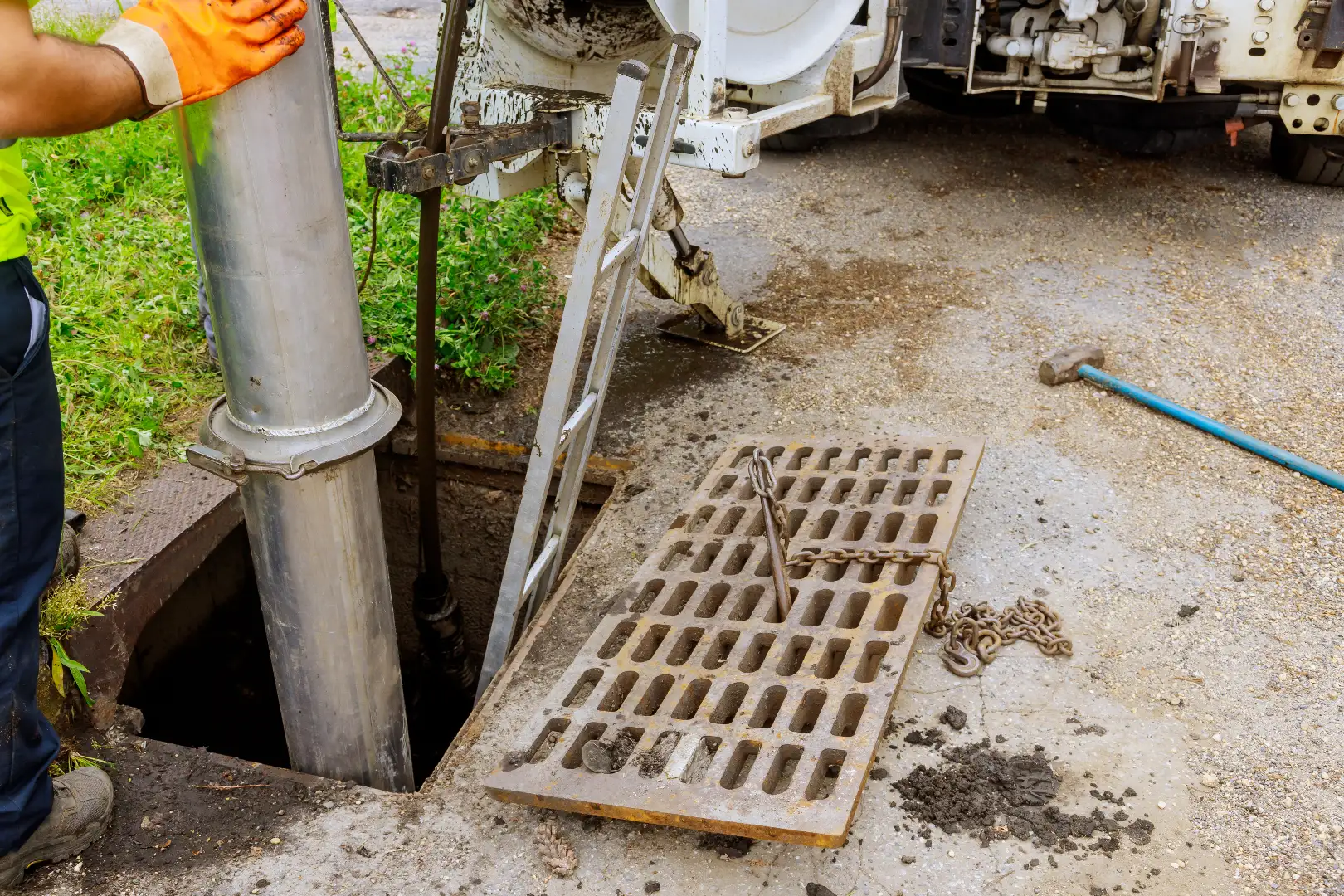
The sewer lateral, the pipe connecting your home to the city's main sewer line, runs underground, typically beneath your yard or driveway. When it fails, accessing it requires excavation, which means labour, equipment, landscaping restoration, and potentially breaking through concrete driveways or patios.
Based on current Toronto and GTA pricing, here is what homeowners can realistically expect:
- Sewer line repair (partial, spot fix): $3,000–$15,000 depending on depth and access
- Full sewer lateral replacement: $8,000–$25,000 for a typical Toronto residential property
- Trenchless sewer lining (where applicable): $6,000–$18,000, often less disruptive than full excavation
- Emergency sewer backup cleanup (biohazard remediation): $2,000–$10,000 on top of plumbing costs
Toronto's aging housing stock is a key driver of these costs. Thousands of homes in neighbourhoods like The Beaches, Parkdale, Roncesvalles, and East York still have original clay tile sewer pipes installed before 1960. Sewer inspection Toronto reveals these pipes are at or well past their functional lifespan. Combine that with Toronto's mature tree canopy, whose roots aggressively seek moisture, and sewer backup Toronto events become inevitable without proactive intervention.
The earlier you catch a problem, the more options you have. Spot repairs and trenchless rehabilitation are only possible when the damage is limited. Let it go, and full excavation and replacement become the only path forward. Here are the nine warning signs that should send you straight to the phone.
Warning Sign 1: Multiple Drains Backing Up Simultaneously
This is the clearest and most urgent signal that your main sewer line is in trouble. If a single drain backs up, your bathroom sink for instance, the blockage is likely local, somewhere in the branch pipe serving that fixture. But when two or more drains in different parts of your home back up at the same time, the clog or failure is downstream, in the main sewer lateral shared by every fixture in the house.
A common scenario: you flush the toilet and water backs up into the bathtub. Or you run the washing machine and water rises in the basement floor drain. These cross-fixture interactions mean the shared sewer line is completely or severely blocked. This is a plumbing emergency requiring immediate emergency plumbing service. Do not run any more water in the home until a plumber has inspected the line, as every additional flush or drain discharge adds to the backup pressure inside the pipe and increases the risk of raw sewage entering your living space.
Warning Sign 2: Sewage Odours Inside or Outside Your Home
A properly functioning sewer system is a sealed system. You should never smell sewage inside your home or notice an unusual odour near your property line or yard. A persistent smell of rotten eggs, sulphur, or raw sewage is a sign that sewer gas is escaping through cracks, failed joints, or a collapsed section of pipe.
Indoors, sewer gas odours most often emanate from floor drains (whose water trap has dried out), from under cabinets near pipe connections, or from basement utility areas where cleanout caps may have become loose. Outdoors, a pervasive sewage smell near the property line, over the yard, or around the driveway can indicate a significant underground break. Sewer gas contains hydrogen sulphide and methane, both of which are hazardous at elevated concentrations. Take this warning sign seriously and call a licensed plumber for a sewer camera inspection without delay.
Warning Sign 3: Gurgling Sounds From Drains and Toilets
Gurgling, bubbling, or glug-glug sounds coming from your drains or toilet bowl, particularly when you haven't just used that fixture, indicate air is being displaced in the drain-waste-vent (DWV) system. This happens when a partial blockage in the sewer line forces air back through the nearest available opening: usually a drain or toilet trap.
Listen for gurgling after flushing a toilet, draining the kitchen sink, or running the dishwasher. If the sound comes from a toilet or bathtub in a different room from the fixture you just used, the blockage is deep in the main line. Gurgling can also indicate a vent stack problem, such as tree debris or a bird nest blocking the pipe that exits through your roof, but either way, the cause requires professional diagnosis. Do not ignore this sound; it typically precedes a full backup.
Warning Sign 4: Lush Green Patches in Your Yard
Take a walk around your property and look carefully at the grass over the path of your sewer lateral. If you notice an unusually green, lush, or fast-growing strip of grass, even while surrounding areas look dry or normal, you may have a slow leak in the sewer line below. Sewage is rich in nitrogen and other nutrients that act as a powerful fertilizer. Grass directly above a leaking pipe will show visibly accelerated growth and deeper green colour.
In some cases, the wet area around a leaking pipe will cause the soil above it to become noticeably soft or spongy underfoot. You may also notice a depression or slight sinkhole forming over time. Any of these yard anomalies along the path from your foundation to the property line warrant a sewer camera inspection. The leak may be small today, but left untreated, the surrounding soil erosion will accelerate the pipe collapse.
Warning Sign 5: Frequent Drain Backups and Clogs
Everyone experiences an occasional slow drain, whether hair in the shower trap or grease accumulation under the kitchen sink. But if you find yourself calling a drain cleaning service several times per year for the same fixture, or if backups are becoming more frequent throughout the home, the underlying issue is almost certainly more serious than a simple clog.
Recurring blockages suggest that something structural is changing in the pipe: root intrusion narrowing the opening, pipe deformation from soil movement, or significant grease and debris accumulation that mechanical snaking only temporarily clears. A professional drain cleaning with hydro-jetting can address severe buildup, but if backups return within weeks, a camera inspection is the necessary next step to identify what's causing the chronic obstruction.
Warning Sign 6: Slow Drains Throughout the Entire House
A single slow drain usually points to a localized clog, one that's easy to clear with a plunger or snake. But when every drain in the house is running slowly, including kitchen, bathrooms, laundry, and utility sink, the problem is in the main sewer lateral, not in any individual branch pipe. This is a key diagnostic distinction that homeowners often miss, spending months plunging individual drains without addressing the root cause.
Slow drainage throughout the home indicates partial blockage or reduced pipe capacity in the main line. Common causes include partial root intrusion (roots growing into pipe joints without yet fully blocking the line), significant grease accumulation in the main run, or early-stage pipe deformation from ground movement or age. At this stage, you still have options. A camera inspection can determine whether hydro-jetting or trenchless repair is sufficient, or whether the pipe needs replacement.
Warning Sign 7: Foundation Cracks or Sinkholes Near the Sewer Line
A leaking sewer line doesn't just waste water. It actively erodes the soil around it. Over months and years, the constant moisture saturates and weakens the ground beneath your yard, driveway, or even your foundation. As the supporting soil is washed away, you may notice new cracks appearing in your foundation walls, settlement of the concrete slab in your basement, or small sinkholes developing in the yard above the sewer path.
This is a structural warning that demands immediate investigation. Soil voids created by sewer leaks can expand rapidly, especially in Toronto's predominantly clay soil, which shrinks and swells dramatically with moisture changes. Foundation repairs in Toronto cost anywhere from $5,000 to $50,000 or more, dwarfing the cost of a timely sewer repair. If you see unexplained ground settlement or new foundation cracking and you have an older home, sewer line integrity should be one of the first things you investigate.
Warning Sign 8: Rodent or Insect Infestations
This warning sign surprises many homeowners, but it is remarkably consistent: a cracked or broken sewer line creates entry points that rodents and insects exploit to enter your home. Rats, in particular, are excellent swimmers and can travel through sewer pipes with ease. A crack or open joint in the lateral provides them direct access to your basement or crawlspace.
If you are dealing with a persistent rodent infestation despite thorough pest control measures, and especially if the entry point cannot be identified through standard inspection, the sewer line is a prime suspect. Cockroaches and other moisture-loving insects also thrive around broken sewer lines. A sewer camera inspection is the definitive way to confirm or rule out this entry pathway.
Warning Sign 9: Your Sewer Is Over 40 Years Old
This is not a symptom. It is a risk factor. But it is one that Toronto homeowners consistently underestimate. The original sewer lateral installed with your home has a finite lifespan that depends on the material used:
- Clay tile pipe (common in pre-1960 Toronto homes): 50–60 year lifespan; most are now at or past end of life
- Orangeburg pipe (bituminous fibre; used 1940s–1960s): 50 years maximum; extremely prone to collapse
- Cast iron (1950s–1980s): 75–100 years, but corrosion is accelerating in many installations
- PVC pipe (1970s–present): 100+ year lifespan; far more durable and root-resistant
If your home was built before 1980 and you have never had the sewer lateral inspected or replaced, you are overdue. Many Toronto homebuyers discover during pre-purchase inspections that the sewer lateral is the single largest deferred maintenance liability on older properties. A proactive camera inspection, even without any symptoms, is worthwhile for any pre-1980 Toronto home.
What Causes Sewer Line Damage in Toronto?
Understanding the root causes helps you assess your specific risk level:
- Tree root intrusion: Toronto's mature urban forest, including elm, maple, and oak, sends roots long distances in search of water. Sewer pipes are magnets. Roots enter through joints and cracks, then expand over years until the pipe is partially or fully blocked.
- Pipe age and material degradation: Clay pipes become brittle and porous. Orangeburg pipes soften and collapse under soil pressure. Cast iron corrodes from the inside out over decades.
- Ground movement: Toronto's freeze-thaw cycles cause significant soil heaving. Clay soil in many GTA neighbourhoods expands when wet and shrinks when dry, placing lateral stress on buried pipes year after year.
- Grease and debris accumulation: Despite warnings, fats, oils, and grease (FOG) poured down kitchen drains solidify in the cool underground pipe, building up over years into flow-restricting deposits.
- Improper installation or past repairs: Older homes may have had repairs done with mismatched pipe materials or improper jointing that creates weak points vulnerable to root intrusion and leakage.
Sewer Camera Inspection: The Only Way to Know for Sure
No surface symptom, no matter how telling, can definitively diagnose the condition of your sewer lateral. The only reliable diagnostic tool is a professional sewer camera inspection: a waterproof HD camera mounted on a flexible cable is fed through the cleanout into the main sewer line, transmitting real-time video of the pipe's interior condition to a monitor above ground.
A thorough sewer camera inspection in Toronto takes 30–60 minutes and reveals root intrusion, cracks, joint separations, pipe deformation, blockages, and the material condition of the entire lateral from the house to the city connection. The plumber can also use a locator to pinpoint the exact underground position of any problem area, which is critical for scoping a repair accurately.
Camera inspections typically cost $250–$500 in Toronto. This is money extremely well spent before purchasing an older home, after purchasing a pre-1980 home, or any time you observe multiple symptoms from the list above.
Repair vs. Replacement: What Toronto Plumbers Recommend
The choice between repair and full replacement depends on several factors that only a camera inspection can accurately assess:
Spot repair or trenchless lining is appropriate when damage is isolated, such as a single root intrusion point, a localized crack, or a joint separation in an otherwise intact pipe. Trenchless cured-in-place pipe (CIPP) lining involves inserting an epoxy-saturated liner into the existing pipe and inflating it to form a smooth new inner surface, with no excavation required. This can add 30–50 years of life to a compromised pipe.
Full sewer line replacement in Toronto is recommended when pipe material has reached end of life across its full length, when multiple points of damage are scattered along the run, when pipe deformation has reduced the inside diameter significantly, or when Orangeburg or severely deteriorated clay is confirmed. Replacement with modern PVC pipe solves the problem definitively and eliminates the need for ongoing repairs for decades.
Frequently Asked Questions
What is the most common cause of sewer line failure in Toronto?
Tree root intrusion is the leading cause of sewer line failure in Toronto, particularly in established neighbourhoods with mature trees. Roots infiltrate clay pipe joints and cracks, then grow inside the pipe over years. Toronto's abundant elm, maple, and oak trees produce extensive root systems that can travel 10 metres or more in search of moisture. Combined with aging clay pipe infrastructure in pre-1960 homes, root intrusion is responsible for the majority of sewer camera findings across the GTA.
How much does sewer line repair cost in Toronto?
Sewer line repair in Toronto typically ranges from $3,000 to $15,000 for a spot repair or partial fix, and $8,000 to $25,000 for a full lateral replacement. Trenchless lining, where applicable, generally falls between $6,000 and $18,000 and avoids major excavation. Exact costs depend on depth, access, length of pipe affected, soil conditions, and whether the driveway or landscaping must be disturbed. Always get two or three written quotes before proceeding with major sewer work.
Can I use my home while a sewer line is being repaired?
In most cases, water use must be restricted or completely suspended while the sewer lateral is being excavated and repaired. For trenchless repairs, there is often a 24-to-48-hour curing period during which water cannot be run through the line. Your plumber will advise on the specific restrictions for your project. Many Toronto homeowners arrange to stay with family or in temporary accommodation for one to two days during major sewer work, a minor inconvenience compared to living through a sewer backup emergency.
How long does sewer line replacement take?
A full sewer lateral replacement for a typical Toronto residential property, including excavation, pipe replacement, backfill, and initial site restoration, takes one to three days. Trenchless lining can often be completed in a single day. More complex projects involving deep pipes, concrete demolition, or proximity to other utilities may take three to five days. Landscaping and driveway restoration is typically done as a separate step after the ground settles, often one to two weeks later.
Will home insurance cover sewer line damage in Ontario?
Standard homeowner's insurance policies in Ontario do not automatically cover sewer line damage, particularly damage that develops gradually from age, root intrusion, or normal wear. However, many insurers offer sewer backup coverage as an endorsement (add-on) for an additional premium. This coverage typically pays for the cost of cleanup and restoration after a backup event, but not for the pipe repair itself. Some policies also offer service line coverage for the actual pipe. Review your policy carefully and speak to your broker about your specific coverage.
Still Have a Sewer Line Repair Problem in Toronto & GTA?
Describe your sewer line repair issue below and a licensed Toronto & GTA plumber will call you back in under 15 minutes. No answering service, no voicemail.
- Licensed & Insured Master Plumbers
- 60-Minute Emergency Response in Toronto & GTA
- Real Plumber Answers, No Answering Service
- Upfront Pricing Before Any Work Begins
- 24/7 Service, 365 Days a Year Including Holidays
Limited Same-Day Spots Available Today
Our dispatch fills quickly. Submit now to secure your slot.
Get a Free Quote in 15 Minutes
Takes 30 seconds to fill out. We'll do the rest.