Toronto Plumbing Emergency: 7 Steps Before the Plumber Arrives
When a burst pipe Toronto homeowners dread most suddenly becomes reality, water spraying across the ceiling, flooding across hardwood floors, panic is a natural first reaction. But the decisions you make in the first five minutes before an emergency plumber Toronto can reach your door will determine whether you're dealing with a manageable repair or tens of thousands of dollars in structural damage. This guide walks you through exactly what to do.
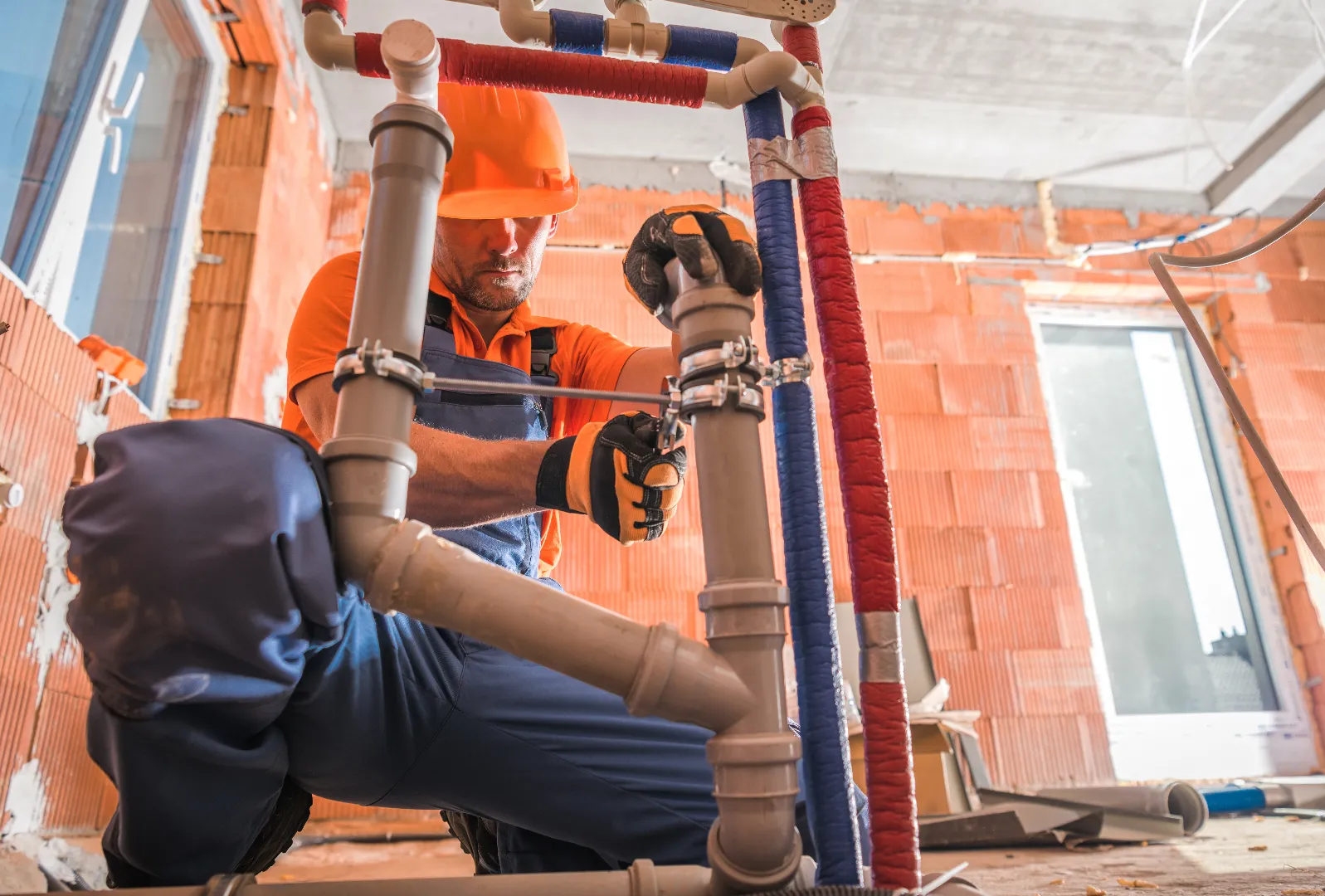
Toronto plumbing emergencies don't follow a schedule. They happen at 2 a.m. on a February night, on Christmas morning, or the moment you leave for a two-week vacation. The city's aging housing stock, tens of thousands of homes built before 1970, means deteriorating galvanized pipes, outdated fittings, and poorly insulated basements are everywhere. When something gives way, the outcome depends heavily on how quickly and correctly you respond. Here are the seven steps every Toronto homeowner should know by heart.
Step 1: Shut Off the Water Immediately
Your single most important action in any plumbing emergency is stopping the water at its source. Every second of continued flow adds to the damage. If the leak is contained to a single fixture, such as a toilet, sink, or washing machine, look for the dedicated shutoff valve behind or beneath that fixture and turn it clockwise until it stops.
If the source is unclear or the leak is severe, go straight to the main water shutoff valve. In most Toronto homes, this valve is located in one of the following spots:
- Basement utility room: near the front wall of the house, close to where the water service line enters from the street
- Under the kitchen sink: in some older Toronto row houses and semi-detached homes
- Mechanical room or furnace room: common in homes built in the 1970s and 1980s
- Cold room or storage room near the foundation: especially in homes in older neighbourhoods like The Annex, Leslieville, or East York
The main shutoff is typically a gate valve (round wheel handle) or ball valve (lever handle). Turn a gate valve clockwise many times until tight. A ball valve only needs a quarter-turn perpendicular to the pipe to fully close. If neither valve works, a common problem in homes that haven't had maintenance in years, your next stop is the curb shutoff on the city's water main at the property line. You'll need a curb key tool (available at hardware stores) or you can call Toronto Water at 311 to send a crew.
Make this search a weekend project before an emergency. Walk through your home, locate the shutoff, and make sure every adult in the household knows where it is and how it works.
Step 2: Turn Off the Electricity Near Water
Water and electricity are a lethal combination. If water is accumulating near electrical outlets, appliances, a breaker panel, or any wiring, head to your electrical panel immediately and switch off the circuits for the affected area. If you're unsure which breaker covers the flooded zone, switch off the main breaker for the entire home.
Do not walk through standing water to reach a plugged-in appliance. Do not use electric tools or devices anywhere near the wet area. If water has reached the electrical panel itself or you see sparking, arc flashes, or smell burning, leave the home immediately and call Toronto Hydro (416-542-8000) and 911 before re-entering.
This step is non-negotiable. Every year, Toronto homeowners suffer electrical injuries, some fatal, because they prioritized containing water damage over electrical safety. Your safety comes first. Everything else is replaceable.
Step 3: Contain the Damage With Towels and Buckets
Once the water supply is off and the area is electrically safe, begin limiting spread. Place buckets under active drips or sprays. Use old towels, blankets, or mop heads to dam water from spreading to adjacent rooms. If water is flowing toward carpeted areas, get the carpet up if you can, as wet carpet acts as a sponge and becomes a mold breeding ground within 24 to 48 hours.
Use a wet/dry shop vacuum if you have one to remove standing water from hard floors. The faster you remove water, the less damage to subfloors, drywall, and structural framing. In Toronto's older homes with original hardwood, every minute of contact with water causes additional swelling and cupping that may make replacement necessary.
Move furniture, rugs, electronics, and valuables out of the wet zone. Stack furniture on plastic wrap or foil to keep legs off wet floors. Getting items off the floor now can save them entirely.
Step 4: Document Everything for Insurance
Before you clean anything up, pull out your phone and take photos and videos of every affected area. Capture the source of the leak clearly, the spread of water, all damaged property, and any visible pipe or fixture damage. This documentation is critical for your homeowner's insurance claim.
Note the time the emergency started and write down what happened in sequence. Toronto homeowners with solid documentation recover significantly more from insurance claims than those who start cleanup without recording the damage first. Save your water shutoff receipts, plumber invoices, and any contractor estimates for restoration work. You'll need all of it.
Contact your insurance provider's emergency claims line as soon as the immediate crisis is under control. Most major insurers in Ontario have 24/7 emergency claim lines, and early notification is often required under your policy terms.
Step 5: Open Doors and Windows to Ventilate
After a plumbing emergency, moisture levels in your home spike dramatically. Without ventilation, that moisture saturates drywall, wood framing, and insulation, creating the perfect conditions for mold growth. Mold can begin colonizing wet materials in as little as 24 to 48 hours, and remediation in a Toronto home can cost $5,000 to $30,000 depending on scope.
Open windows and interior doors to promote air circulation. Turn on bathroom and kitchen exhaust fans. If you have a portable dehumidifier, deploy it in the wettest area. In warmer months, open exterior doors as well. In winter, balance ventilation with the need to keep your home above 16°C to prevent additional pipe freeze risk.
If ceilings are bubbling or bulging, a sign of water pooling inside the ceiling cavity, carefully puncture a small hole with a screwdriver at the lowest point to allow it to drain in a controlled way rather than collapsing suddenly.
Step 6: Call a Licensed 24/7 Emergency Plumber in Toronto
Now that immediate safety and containment steps are done, call a licensed emergency plumbing service in Toronto. When you call, be ready to describe what happened, what you've already done (shutoff water, isolated electricity), and the location and apparent severity of the damage. A good emergency dispatcher will give you additional instructions specific to your situation while routing a plumber to your address.
Verify that any plumber you call is licensed with the Ontario College of Trades (Master Plumber or Journeyman Plumber licence) and carries both general liability insurance and WSIB coverage. Ask directly, and any legitimate Toronto plumbing company will confirm this without hesitation. Unlicensed tradespeople performing emergency repairs can void your homeowner's insurance coverage and leave you personally liable for any additional damage they cause.
Step 7: Don't Try to DIY Major Repairs
It is tempting, especially in the middle of the night, to attempt a repair yourself using YouTube tutorials and hardware store fittings. For truly minor issues, such as replacing a toilet flapper or tightening a compression nut under a sink, DIY may be appropriate. But for burst pipes, failed main shutoffs, sewer backups, or anything involving gas lines near plumbing, amateur intervention typically makes things worse.
Toronto's plumbing code requires permits for many types of pipe repairs and replacements. Work done without permits can create problems when you sell your home, complicate insurance claims, and leave you responsible for future failures. The cost of a licensed pipe repair in Toronto is far lower than the liability of an improper DIY fix discovered during a home sale inspection.
What Qualifies as a Plumbing Emergency in Toronto?
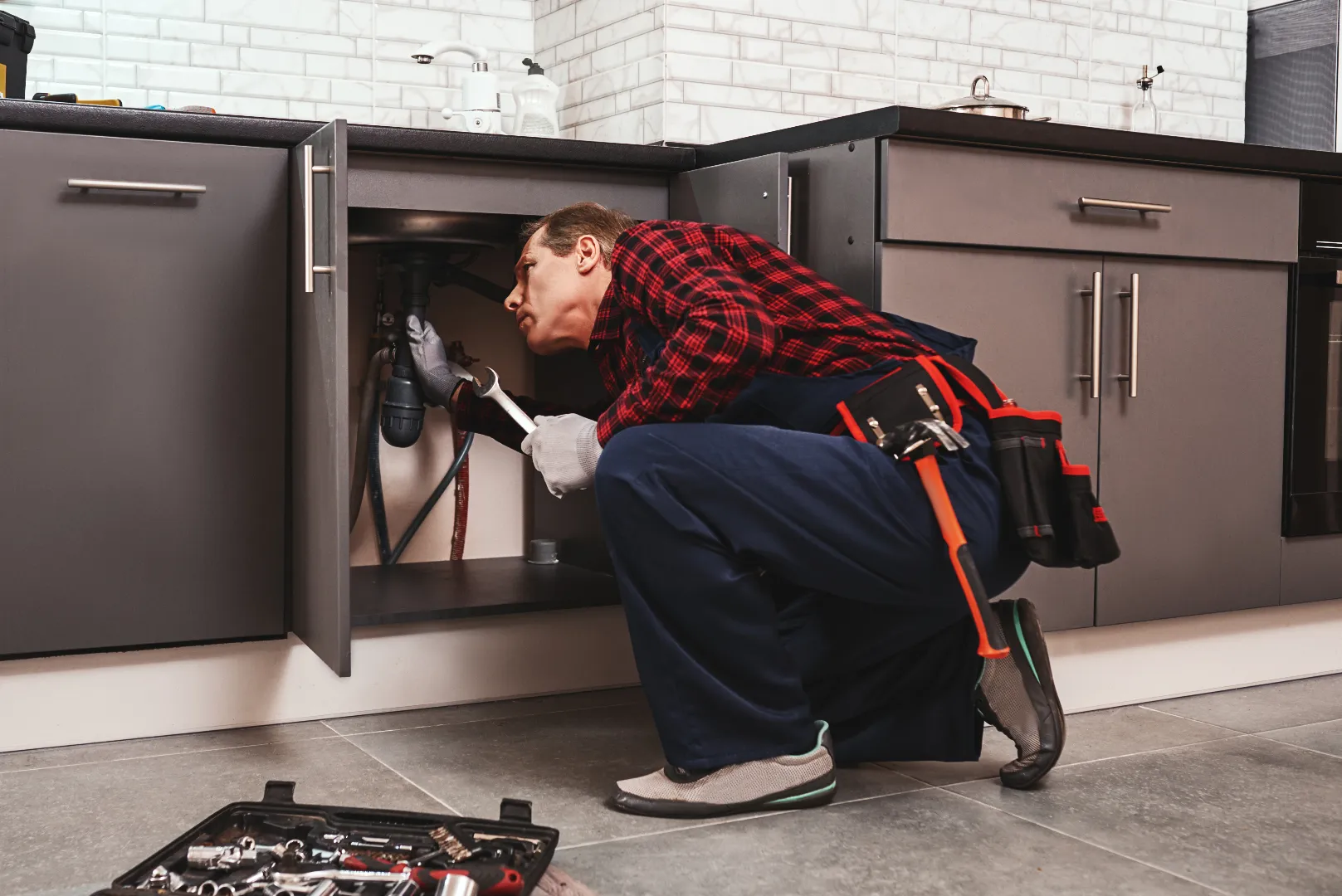
Not every plumbing problem is a true emergency requiring immediate after-hours service. Emergencies are situations where delay causes escalating damage, poses a health or safety risk, or leaves your household without essential services. The following always qualify as emergencies:
- Burst or actively leaking pipes causing flooding
- Sewage backup entering the home
- No hot water in winter (especially with young children or elderly residents)
- Gas smell near water heater or gas lines (call Enbridge Gas at 1-866-763-5427 first, then a plumber)
- Overflowing toilet that cannot be stopped
- Complete loss of water supply to the home
- Water heater failure with water pooling around the unit
Issues like a slow-draining sink, a mildly dripping faucet, or a running toilet, while annoying, can typically wait for regular business hours and a scheduled appointment.
How Fast Do Toronto Emergency Plumbers Respond?
Response times for emergency plumbers in Toronto vary considerably. Budget services routed through large national call centres may quote two to four hours. A locally based emergency plumbing team with technicians staged throughout the GTA can reach most Toronto addresses within 60 minutes, and often faster during off-peak hours.
At Emergency Repair Plumbers, we guarantee a 60-minute response time across Toronto and the greater GTA. Our technicians are stationed strategically to cover Etobicoke, Scarborough, North York, Downtown Toronto, Mississauga, Brampton, and Markham. We are fully stocked, meaning the parts needed for the most common emergency repairs are on the truck, not requiring a second trip to a supplier.
When you call, ask the dispatcher for an estimated arrival time and get a name. A professional emergency plumber will call or text you when they're 10 to 15 minutes away.
Common Toronto Plumbing Emergencies
Burst pipes in winter: Toronto's climate produces dramatic freeze-thaw cycles. When temperatures drop below -15°C, common in January and February, exposed or poorly insulated pipes in exterior walls, garages, and unheated crawlspaces are at risk. Galvanized steel pipes in pre-1960 Toronto homes are particularly vulnerable because corrosion has weakened the pipe walls. When water freezes inside, it expands with enough force to split even steel.
Sewer backups: Toronto's combined sewer system is aging, and during heavy rainfall events, the system can become overwhelmed. Roots from the city's abundant mature tree canopy routinely infiltrate clay sewer laterals in older neighbourhoods. A backup brings raw sewage into your basement, a serious health hazard requiring immediate professional sewer intervention.
Water heater failures: Most Toronto homes run tank-style water heaters with a 10 to 12 year lifespan. When a tank fails, whether the pressure relief valve vents, the bottom corrodes through, or the heating element burns out, you may face a flooded utility room and no hot water. Emergency water heater repair or replacement can usually be completed same-day by a licensed plumber.
How Much Does Emergency Plumbing Cost in Toronto?
Honest answer: it depends significantly on the nature of the problem, time of day, and the parts required. Here is a realistic range based on common Toronto emergency plumbing calls:
- Service call and diagnosis: $100–$200 (often waived if you proceed with repair)
- Minor pipe repair (single joint, accessible location): $150–$400
- Burst pipe repair (moderate complexity): $400–$1,200
- Sewer backup clearing with hydro-jet: $350–$900
- Water heater emergency replacement: $1,200–$2,500 including parts
- Complex repairs involving wall or floor opening: $1,500–$5,000+
After-hours premiums typically add $75 to $200 to the base rate. Always ask for a written estimate before work begins. Reputable Toronto plumbers will provide one. Be wary of companies that refuse to quote before starting, as this is often a sign of predatory billing practices.
Why Choose Emergency Repair Plumbers for Your GTA Emergency
Emergency Repair Plumbers has served Toronto and the GTA for over a decade. Our licensed Master Plumbers carry full liability insurance, WSIB coverage, and are registered with the Ontario College of Trades. We respond in 60 minutes or less, operate 24 hours a day, 365 days a year, including Christmas Day, Family Day, and every statutory holiday.
We price transparently: you receive a written estimate before any work begins, with no hidden fees and no surprise charges for after-hours service beyond our clearly stated rate card. We stock the most common repair parts on every truck so the majority of emergency repairs are completed in a single visit.
Frequently Asked Questions About Emergency Plumbing in Toronto
What should I do first during a plumbing emergency?
Shut off the water immediately, either at the fixture's dedicated valve or at the main water shutoff in your basement. Then turn off electricity in any area where water is accumulating. Once those two critical steps are done, call a licensed 24/7 emergency plumber. These first actions in the first two to three minutes dramatically reduce total damage.
Do Toronto plumbers really come in the middle of the night?
Yes. Legitimate 24/7 emergency plumbing companies maintain on-call technicians around the clock. Emergency Repair Plumbers dispatches licensed plumbers at 3 a.m. on a Tuesday just as readily as at 2 p.m. on a Thursday. Expect an after-hours service premium, which reputable companies will disclose upfront before you confirm the call.
How much does a 24/7 emergency plumber cost in Toronto?
Most Toronto emergency plumbers charge a service call fee of $100 to $200, plus labour and parts. After-hours premiums of $75 to $200 are common and legitimate. Total emergency repair costs typically range from $150 for a simple fix to $1,500 or more for a complex burst pipe or water heater replacement. Always get a written estimate before work begins.
Is burst pipe damage covered by home insurance in Ontario?
Usually yes, if the burst was sudden and accidental. Standard Ontario homeowner policies typically cover sudden water damage from burst pipes under the "water damage" or "sudden and accidental" peril. However, damage from long-term slow leaks or lack of maintenance is generally excluded. Document everything thoroughly and notify your insurer promptly, as most policies require timely notification.
How do I find my main water shutoff valve in a Toronto home?
In most Toronto homes, the main shutoff is in the basement near the front wall of the house, close to where the municipal water line enters. Look for a gate valve (round wheel) or ball valve (lever handle) on the incoming copper or galvanized pipe. In older homes it may be in a cold room or under a utility sink. Locate it now, before an emergency, and test it to ensure it actually works.
Still Have a Emergency Plumbing Problem in Toronto & GTA?
Describe your emergency plumbing issue below and a licensed Toronto & GTA plumber will call you back in under 15 minutes. No answering service, no voicemail.
- Licensed & Insured Master Plumbers
- 60-Minute Emergency Response in Toronto & GTA
- Real Plumber Answers, No Answering Service
- Upfront Pricing Before Any Work Begins
- 24/7 Service, 365 Days a Year Including Holidays
Limited Same-Day Spots Available Today
Our dispatch fills quickly. Submit now to secure your slot.
Get a Free Quote in 15 Minutes
Takes 30 seconds to fill out. We'll do the rest.