Spring Plumbing Inspection Checklist for Toronto & GTA
A spring plumbing inspection Toronto homeowners complete each April and May is one of the highest-value maintenance activities you can do for your property. Seasonal plumbing maintenance after a GTA winter catches freeze damage, sump pump failures, and hidden leaks before they cascade into expensive emergencies. This checklist, developed from the experience of licensed plumbers across the GTA, covers every system in your home that Toronto's winter can compromise.
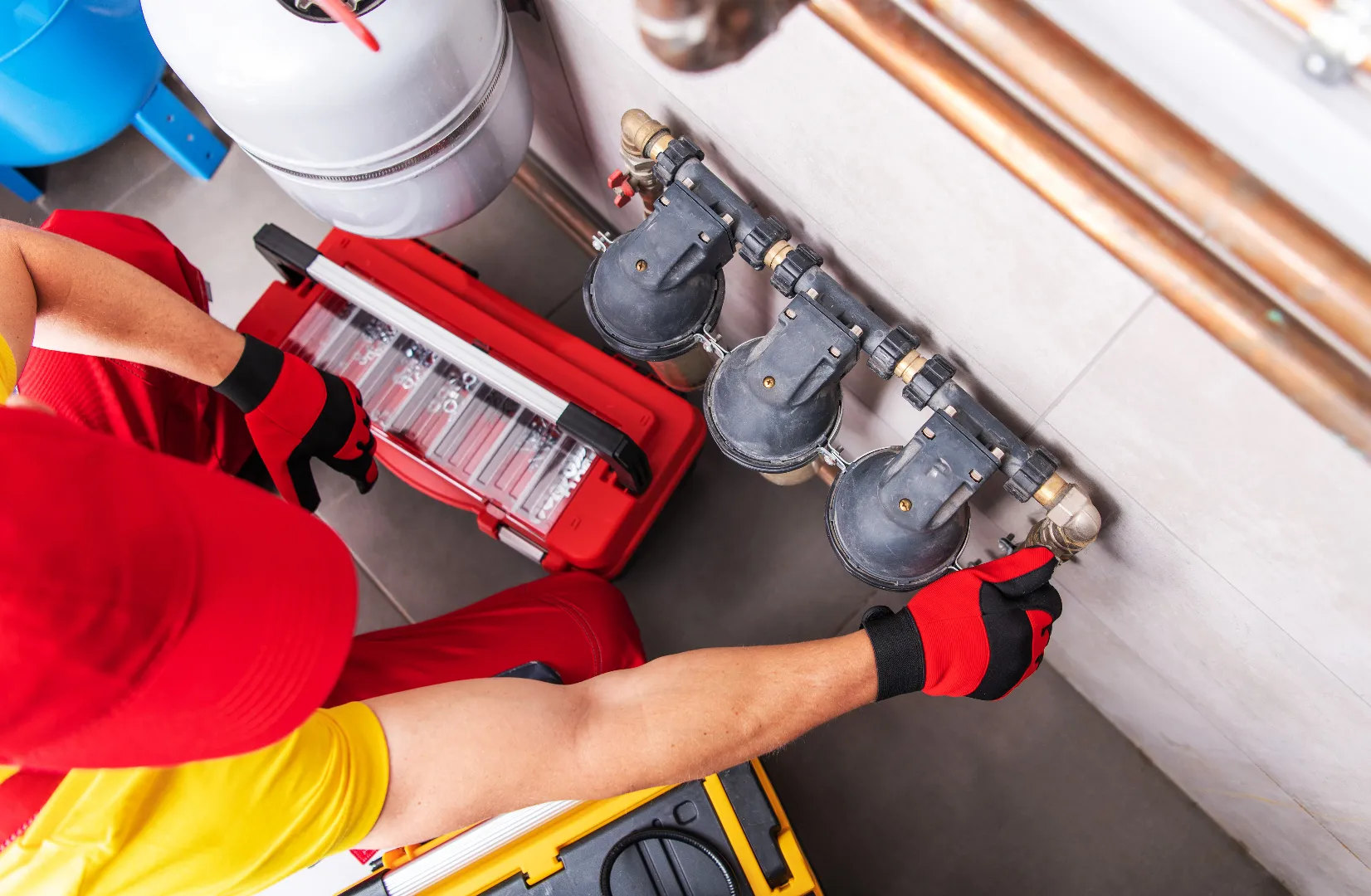
Why Spring Is the Most Critical Season for Plumbing Inspection in Toronto
Toronto winters are genuinely punishing on residential plumbing systems. When temperatures drop to -20°C or lower, as they regularly do in January and February, water expands as it freezes inside pipes that aren't adequately insulated. The spring thaw then reveals damage that occurred silently over the preceding months. Until pipes are pressurized after winter dormancy, cracks, splits, and failed fittings often don't make themselves known. A plumber Toronto homeowners book for a spring inspection typically charges $150–$300 for a comprehensive walk-through that identifies every risk before it becomes an emergency.
The freeze-thaw cycle is the specific enemy of Toronto plumbing. A pipe may survive a single hard freeze, but after 10 or 15 years of repeated expansion and contraction, the cumulative fatigue produces failures. Pipe joints and fittings are particularly vulnerable because they represent transitions between materials and cross-sections where stress concentrates.
Spring runoff compounds the risk on the drainage side. As snow melts and spring rains arrive, often in the same week in March and April, sump pumps face their heaviest workloads of the year. Sump pump failure during spring melt is the leading cause of flooded Toronto basements. The spring inspection window, ideally late March through early May, is your opportunity to get ahead of every one of these risks before peak season.
Checklist Item 1: Inspect All Exposed Pipes After Winter
Start in your basement, mechanical room, crawlspace, and garage, anywhere pipes are exposed to ambient temperature changes. Run your eyes and hands along every visible section of pipe. You are looking for:
- Visible cracks or splits in pipe walls, even hairline cracks
- Bulging sections in plastic pipes (a sign the pipe was stressed by freezing)
- White mineral deposits or water staining on pipes, suggesting a slow weep that evaporated
- Frost damage on pipe insulation: compressed, discoloured, or crumbling insulation indicates pipes got dangerously cold
- Loose or separated fittings, particularly at elbows and joints
Pay special attention to pipes running through exterior walls, in unheated garages, and along rim joists at the foundation. These are the zones most exposed to exterior cold. If you find any damage, do not pressurize the system further until the damaged section is assessed, as what looks like a hairline crack under static pressure can become a spray under full flow.
Checklist Item 2: Reconnect and Test Outdoor Hose Bibs
At the end of fall, properly winterized hose bibs are shut off at their interior shutoff valve and drained. Spring is the time to restore them. Open the indoor shutoff valve slowly, then go outside and open the hose bib. Watch for drips at the bib body, at the wall connection, and from the shutoff valve location inside. Even a slow drip from a hose bib connection can saturate the wall framing around it over a summer season, creating a mold problem invisible from the outside.
Frost-free hose bibs, the modern standard in Toronto, have a long stem that puts the actual shut-off point inside the heated envelope of the home. But if a hose was left connected through the winter, the frost-free design is defeated and the bib may have frozen. If your hose bib doesn't flow normally, or flows then stops, suspect a freeze failure inside the unit and call a plumber before opening the wall becomes necessary.
Checklist Item 3: Run Water Through Every Drain
Open every faucet and fixture in your home, including sinks, tubs, showers, laundry utility sink, and basement floor drain, and let water run for 30 to 60 seconds. You are checking drain speed and listening for unusual sounds. Slow drains after winter can indicate:
- Partial root intrusion that progressed over winter when pipes sat dormant
- Grease accumulation that congealed in the cold and is now partially blocking flow
- Ground movement that shifted or deformed drain pipes beneath the slab or yard
A drain that ran fine last fall but is slow in spring has developed a problem over winter that will only worsen. Catch slow drains now, in the spring inspection, and you have time for a proper professional drain cleaning before summer. Wait until a July backup and you're dealing with an emergency call premium on top of a fully blocked line.
Checklist Item 4: Test Your Sump Pump Before Spring Rains
This is the single most important item on this checklist for Toronto and GTA homeowners with basements. A failed sump pump Toronto spring calls confirm is a leading cause of flooded basements. It can fill a finished basement in hours during a heavy April rainstorm. Sump pump failures cause hundreds of thousands of dollars in insurance claims across the GTA every spring, and most are preventable with a 10-minute test.
To test your sump pump: slowly pour a bucket of water into the pit and observe. The float should rise, trigger the pump to activate, and the pump should evacuate the water completely before shutting off. Listen for the motor running smoothly without grinding or excessive noise. Check that the discharge line is clear. Ice can block the exterior outlet through winter, causing the pump to run but discharge nowhere.
If your sump pump is more than 7–10 years old, consider proactive replacement regardless of whether it passes the test. A sump pump that passes in April but fails under the sustained load of a multi-day spring rain event in May is a real and common scenario. The cost of a new sump pump installation in Toronto, typically $400–$900, is a small fraction of the cost of a flooded basement remediation.
Checklist Item 5: Flush Your Water Heater Tank
Annual sediment flushing is one of the most consistently neglected maintenance tasks in Toronto homes, and one of the most valuable. Toronto's water carries dissolved minerals that precipitate out as calcium and magnesium sediment inside tank water heaters. Over years without flushing, this sediment layer insulates the heating element, forces the burner to work harder and longer, reduces the tank's capacity, and accelerates corrosion of the tank bottom.
The spring inspection is the ideal time for an annual flush. Attach a garden hose to the drain valve at the bottom of the tank, route the other end to a floor drain, and open the valve while the cold water supply is running. Let it drain until the water runs clear. For tanks that have never been flushed, this can take 20–30 minutes and produce visibly rust-coloured water initially. This is normal; what matters is flushing it out.
After flushing, check the temperature and pressure relief valve, the safety device on the side of the tank with a lever you can lift. It should release a brief burst of hot water and then reseat cleanly. If it weeps or doesn't seal after testing, it needs replacement. Call a licensed water heater service technician to replace a faulty T&P valve. This is not a DIY item.
Checklist Item 6: Inspect Under All Sinks for Slow Drips
Open every cabinet under every sink in your home and inspect the supply lines, drain connections, and P-trap carefully. Look for:
- Water staining or white mineral deposits on the cabinet floor (evidence of past or ongoing drips)
- Soft or discoloured cabinet material (particleboard under sinks swells and darkens when wet)
- Visible drips at compression fittings on supply lines
- Loose slip-joint nuts on the drain assembly
Under-sink drips are among the most common sources of hidden water damage in Toronto homes. Because the cabinet door is typically closed, a slow drip can run for months before anyone notices. By then, the cabinet base is rotted, the subfloor is saturated, and mold has established itself inside the cabinet wall. A 5-minute inspection twice a year catches these leaks when they're just a nuisance rather than a remediation project.
Checklist Item 7: Check Basement for Signs of Winter Seepage
Walk your entire basement perimeter and inspect the foundation walls at floor level and at the rim joist above. Winter freeze-thaw cycles put tremendous hydraulic pressure on foundation walls as ground moisture freezes and expands. New cracks, efflorescence (white salt deposits on concrete), or staining at wall-floor joints can indicate water infiltration that occurred during winter.
Pay particular attention to basement window wells, as these can accumulate ice and debris over winter that blocks drainage, and the subsequent melt can push water in around the window frame. Also check any areas where utility lines penetrate the foundation wall. These penetration points often develop gaps as the surrounding concrete cracks and shifts seasonally. Small gaps can be sealed with hydraulic cement; larger infiltration issues require professional waterproofing assessment.
Checklist Item 8: Test All Shutoff Valves for Ease of Operation
Every water supply shutoff valve in your home, including the main valve, meter valve, water heater inlet, and individual fixture valves under sinks and behind toilets, should operate smoothly. Gate valves should turn from fully open to fully closed without binding. Ball valves should move freely to the perpendicular (closed) position.
A shutoff valve that is seized or broken is useless in an emergency. Discovering this during a calm spring inspection means you can have it replaced on a planned, non-emergency basis. Discovering it when a pipe has just burst and you can't stop the water flow is a much more costly lesson. Old gate valves that haven't moved in years are particularly prone to seizing, and forcing them often breaks the stem. If any valve won't move or moves only with significant force, have a plumber replace it with a modern quarter-turn ball valve.
Checklist Item 9: Inspect Caulking Around Tubs and Showers
Bathroom caulking seems minor, but failed caulk around tubs and showers is a leading cause of structural water damage in Toronto homes. When the silicone or acrylic caulk at the tub-wall junction deteriorates, whether cracking, peeling, or separating, water infiltrates the wall cavity behind the surround with every shower. This water saturates the drywall and framing, promoting mold growth and eventually causing structural deterioration that requires full bathroom renovation to correct.
Inspect every caulk joint in your bathrooms: tub-to-wall, shower pan-to-wall, sink-to-countertop, and countertop-to-wall. Press gently on the caulk. It should be firmly bonded and slightly flexible. Any area that is cracked, discoloured, separating, or soft and mold-infested should be recaulked. Removing old caulk with a utility knife and applying a fresh bead of mildew-resistant silicone caulk is a straightforward DIY task that takes an hour and costs under $20 in materials.
Checklist Item 10: Schedule Professional Camera Inspection for Older Toronto Homes
If your home was built before 1980 and you have not had a sewer camera inspection in the past three to five years, add this to your spring maintenance plan. A camera inspection provides a definitive picture of your main sewer lateral's condition, the single most expensive plumbing system to repair if it fails catastrophically.
Spring is an ideal time because heavy spring rains reveal slow drainage issues that may not be apparent in dry conditions, and because scheduling a planned inspection in spring is easier and less expensive than scheduling emergency service after a summer backup. A proactive sewer camera inspection costs $250–$500 and gives you actionable information: repair now, monitor, or replace. That information has real financial value when comparing it to the cost of a surprise sewer emergency.
How Much Does a Spring Plumbing Inspection Cost in Toronto?
A professional spring plumbing inspection by a licensed Toronto plumber typically costs $150–$350 for a standard residential home. This covers a systematic walkthrough of all the items on this checklist, plus a written report of findings with recommended action priorities.
If you add a sewer camera inspection to the service visit, expect $400–$750 total. If the inspection identifies needed repairs, such as a seized shutoff valve, a sump pump nearing end of life, or a water heater T&P valve replacement, those are typically quoted and performed in the same visit, with parts costs on top.
Homeowners who complete annual spring inspections consistently spend less on emergency plumbing over a 10-year period than those who skip them. The math is simple: a $250 annual inspection catches a $600 repair before it becomes a $6,000 emergency. The inspection cost pays for itself the first time it catches something significant.
Frequently Asked Questions
What should I check first after a Toronto winter?
Start with your sump pump. Test it immediately as spring rains arrive, before peak melt season. Next, check all exposed pipes in your basement, garage, and crawlspace for freeze damage. Then run every drain and observe flow speed. These three items cover the most common and most costly failures that Toronto winters produce. The rest of the checklist can be completed systematically over a weekend, but those first three items have the highest urgency and should be checked before the end of March.
How do I test my sump pump?
Pour a bucket of water slowly into the sump pit and watch the float rise. The pump should activate automatically when the water reaches the trigger level, evacuate the pit completely, then shut off. The whole cycle should take 30–90 seconds depending on pit volume. Listen for smooth motor operation. Grinding, humming without pumping, or no response at all are failure signs. Also confirm that the discharge outlet outside the home is clear of ice or debris so water is actually exiting the property.
Can spring thaw cause pipe damage?
Yes, in two ways. First, pipes that froze during winter may not show obvious damage until water flows through them under pressure during the thaw. A hairline crack that held under static ice pressure becomes a leak under full flow. Second, the freeze-thaw cycle itself causes gradual fatigue in pipe walls and fittings over many years, with spring being when cumulative damage from the winter cycle finally becomes apparent. Older homes with galvanized or copper pipes that have experienced 30–40 Toronto winters are particularly at risk.
How often should I flush my water heater in Toronto?
Annual flushing is the standard recommendation for Toronto homes. Toronto's water contains enough dissolved minerals to produce meaningful sediment accumulation over 12 months in an active household. If you have never flushed your water heater and it is more than five years old, the first flush may produce significant rust-coloured or cloudy water. That is normal and exactly why the flush is needed. Tanks that have gone 10 or more years without flushing sometimes have sediment so compacted that a thorough flush is difficult; in those cases, replacement may be more practical than rehabilitation.
When should I call a plumber after winter?
Call a plumber immediately if you find any active leaks, splits, or cracks in pipes. Call within the week if your sump pump fails the bucket test, if multiple drains are running slowly, or if your water heater T&P valve doesn't reseat properly. Schedule a non-urgent visit for seized shutoff valves, declining water pressure, or if you want a professional to complete the full checklist and provide a written assessment. Early April is the ideal time to schedule, before the spring rush of emergency calls starts pushing availability and response times up across the GTA.
Still Have a Plumbing Inspection Problem in Toronto & GTA?
Describe your plumbing inspection issue below and a licensed Toronto & GTA plumber will call you back in under 15 minutes. No answering service, no voicemail.
- Licensed & Insured Master Plumbers
- 60-Minute Emergency Response in Toronto & GTA
- Real Plumber Answers, No Answering Service
- Upfront Pricing Before Any Work Begins
- 24/7 Service, 365 Days a Year Including Holidays
Limited Same-Day Spots Available Today
Our dispatch fills quickly. Submit now to secure your slot.
Get a Free Quote in 15 Minutes
Takes 30 seconds to fill out. We'll do the rest.