Common Toilet Problems in Toronto Homes and When to Call a Plumber
Toilet repair in Toronto is one of the most common service calls licensed plumbers receive, and for good reason. A running toilet wastes an astonishing amount of water, a rocking toilet can rot your subfloor, and gurgling sounds can signal sewer problems that have nothing to do with the toilet itself. This expert guide covers eight of the most common toilet problems in Toronto homes, explains what's causing each one, tells you what you can reasonably fix yourself, and, most importantly, tells you clearly when it's time to stop tinkering and call a licensed plumber.
Problem 1: Running Toilet
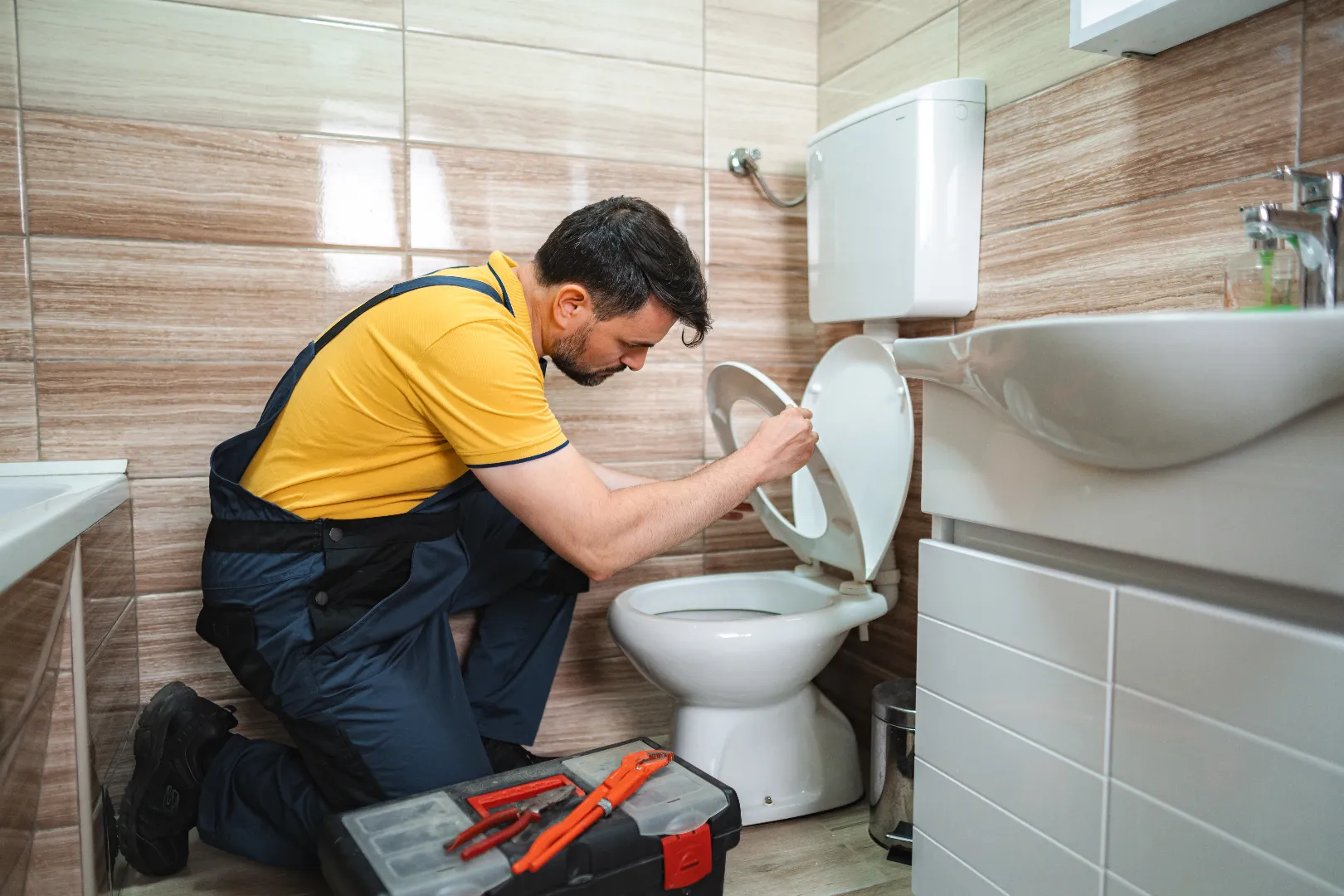
Toilet repair Toronto calls for running toilets are among the most common and most financially impactful service requests. A running toilet is the single most costly toilet problem for Toronto homeowners, yet it's among the most ignored because the sound is often subtle and the water waste is invisible. The toilet just keeps trickling, long after the flush has completed, and the water bill quietly climbs.
The numbers are stark. A clogged toilet Toronto or running toilet can waste 200 litres per day. At Toronto Water's current combined rate for water and wastewater, that works out to roughly $700 or more annually in wasted water costs, from a single toilet. A household with two running toilets could be flushing $1,400 per year down the drain without realizing it. A toilet installation Toronto service call to replace an aging unit costs $400–$900 and can pay for itself quickly in water savings.
The three most common causes of a running toilet are:
- Worn flapper: The rubber flapper at the bottom of the tank seals the opening between the tank and bowl. Over time, this rubber deteriorates, warps, or accumulates mineral deposits that prevent a complete seal. When the flapper doesn't seal, water seeps continuously from the tank into the bowl, triggering the fill valve to run. This is the most common cause of running toilets and an inexpensive DIY fix for many homeowners; flappers cost $5–$15 at hardware stores.
- Faulty fill valve: The fill valve (also called a ballcock in older toilets) controls how the tank refills after a flush. If the fill valve is worn, damaged, or misadjusted, it may not shut off completely when the tank reaches the correct level. Water then overflows into the overflow tube and drains into the bowl continuously.
- Float set too high: In tanks with an adjustable float, if the float is set to too high a water level, water reaches the top of the overflow tube before the fill valve shuts off. Adjusting the float down is a simple fix, but if the fill valve itself is old and worn, replacement is the more reliable solution.
When to call a plumber: if you've replaced the flapper and adjusted the float but the toilet still runs; if the fill valve is corroded or the toilet is more than 15 years old; or if you're unsure about working inside the tank.
Problem 2: Weak or Incomplete Flush
A toilet that barely flushes, requires multiple flushes, or leaves waste behind is more than an inconvenience; it's a sign that something in the flush mechanism isn't functioning properly. Unlike a running toilet that wastes water continuously, a weak flush wastes water through repeated flushing and can indicate a developing clog problem.
Common causes of weak or incomplete flush:
- Low water level in the tank: The toilet needs a full tank of water to generate the siphon effect that clears the bowl. If the tank water level is below the fill line (usually marked inside the tank), the flush lacks volume and power. Adjust the float to raise the water level to the correct mark.
- Blocked rim holes: Under the rim of the toilet bowl are a series of small holes through which tank water jets into the bowl during a flush. In Toronto's moderately hard water, these holes accumulate calcium and mineral deposits over time, reducing the flow rate. A hand mirror and a thin wire or toilet brush can help clear visible buildup; stubborn mineral deposits may need chemical treatment.
- Partial clog in the trap: A partial obstruction in the toilet's integral trap, the curved section at the base of the bowl, restricts the flush but doesn't completely block it. The toilet flushes slowly or incompletely rather than backing up entirely.
- Flapper closing too quickly: If the flapper falls shut before a full flush has occurred, the bowl receives insufficient water. This can be caused by a heavy aftermarket flapper or a float attached to the flapper chain that's dragging the flapper closed early.
Problem 3: Toilet Won't Stop Running After Flush
Different from a continuously running toilet (Problem 1), this issue is specifically a toilet that takes an unusually long time to stop running after a flush, sometimes several minutes rather than the normal 30–60 seconds. The sound of water still running long after you've walked away from the bathroom is the tell-tale sign.
The most likely cause is a fill valve that is either worn, sediment-clogged, or operating at insufficient water pressure. Toronto's water pressure varies by neighbourhood and building age; in some older homes, the incoming water pressure is lower than optimal, which causes fill valves to operate more slowly. A plumber can test incoming pressure and advise whether a pressure booster or fill valve replacement is the appropriate fix.
Sediment and mineral buildup inside the fill valve body is also common, particularly in Toronto homes that haven't had the toilet serviced in years. Debris that enters through the supply line can restrict the fill valve orifice. Some fill valves can be cleaned; others are more economically replaced entirely. A full fill valve replacement with a quality unit (Fluidmaster 400A or equivalent) typically costs $30–$50 in parts and takes a plumber less than an hour to install.
Problem 4: Toilet Rocks or Is Loose at the Base
A toilet that rocks, wobbles, or shifts when you sit on it is not just annoying; it's actively damaging your home. Every rocking motion breaks down the wax ring seal between the toilet base and the floor flange. Once the wax ring fails, every flush allows sewer gases to escape into the bathroom (unpleasant and potentially harmful), and contaminated water can seep under the toilet, soaking into the subfloor and causing rot, mould, and structural damage that costs thousands to repair.
Causes of a rocking toilet:
- Loose toilet bolts: The toilet is secured to the floor flange by two closet bolts (also called johnny bolts). If these become loose or corroded, the toilet rocks. Tightening is sometimes possible but over-tightening a porcelain toilet cracks the base, so this is a job requiring care.
- Uneven floor: If the floor surface is uneven (common after tile work, floor renovations, or simple settling), the toilet rocks even with tight bolts. Toilet shims, small plastic wedges, can stabilize a toilet on an uneven floor.
- Damaged floor flange: The cast iron or PVC flange anchored to the floor can corrode, crack, or pull away from the subfloor. A damaged flange cannot properly anchor the toilet regardless of bolt tightness. Flange repair or replacement is a job for a licensed plumber.
Do not ignore a rocking toilet. The wax ring damage that results from prolonged rocking can lead to subfloor rot that requires a flooring contractor on top of a plumber, dramatically increasing the repair bill. A wobbling toilet should be assessed and stabilized promptly. Emergency plumbing service is available 24/7 if the situation becomes urgent.
Problem 5: Gurgling Sounds After Flushing
Gurgling sounds coming from your toilet, particularly sounds that continue or occur even without flushing, are one of the most important warning signs a Toronto homeowner can hear. Unlike other toilet problems that are isolated to the fixture itself, gurgling often indicates a problem in the drain system that extends beyond the toilet.
When you flush, the departing water creates negative pressure in the drain pipe. Normally, this air pressure is equalized through the plumbing vent stack, a pipe that runs from the drain system up through the roof, allowing air to enter and equalize pressure without creating suction. When the vent system is working properly, you hear nothing unusual.
Gurgling indicates that air is being pulled through the water in the toilet trap to equalize drain pressure, meaning the vent system is blocked or insufficient. Causes include:
- Blocked plumbing vent: Toronto's winters can cause ice blockages in roof vent stacks. Bird nests, leaves, and debris also block vents. A blocked vent causes gurgling at the nearest fixture and, over time, slow drains throughout the home.
- Partial main drain blockage: A clog developing in the main sewer line can cause backpressure that results in gurgling from toilets and other fixtures.
- Sewer line damage: In Toronto's older neighbourhoods, root intrusion, pipe collapse, or pipe bellying in the main sewer line can restrict flow and cause gurgling symptoms throughout the home.
Persistent gurgling, especially if accompanied by slow drains elsewhere in the home, warrants a call to a licensed Toronto plumber. A camera inspection will quickly reveal whether there's a drain obstruction or sewer line issue involved.
Problem 6: Toilet Clogs Frequently
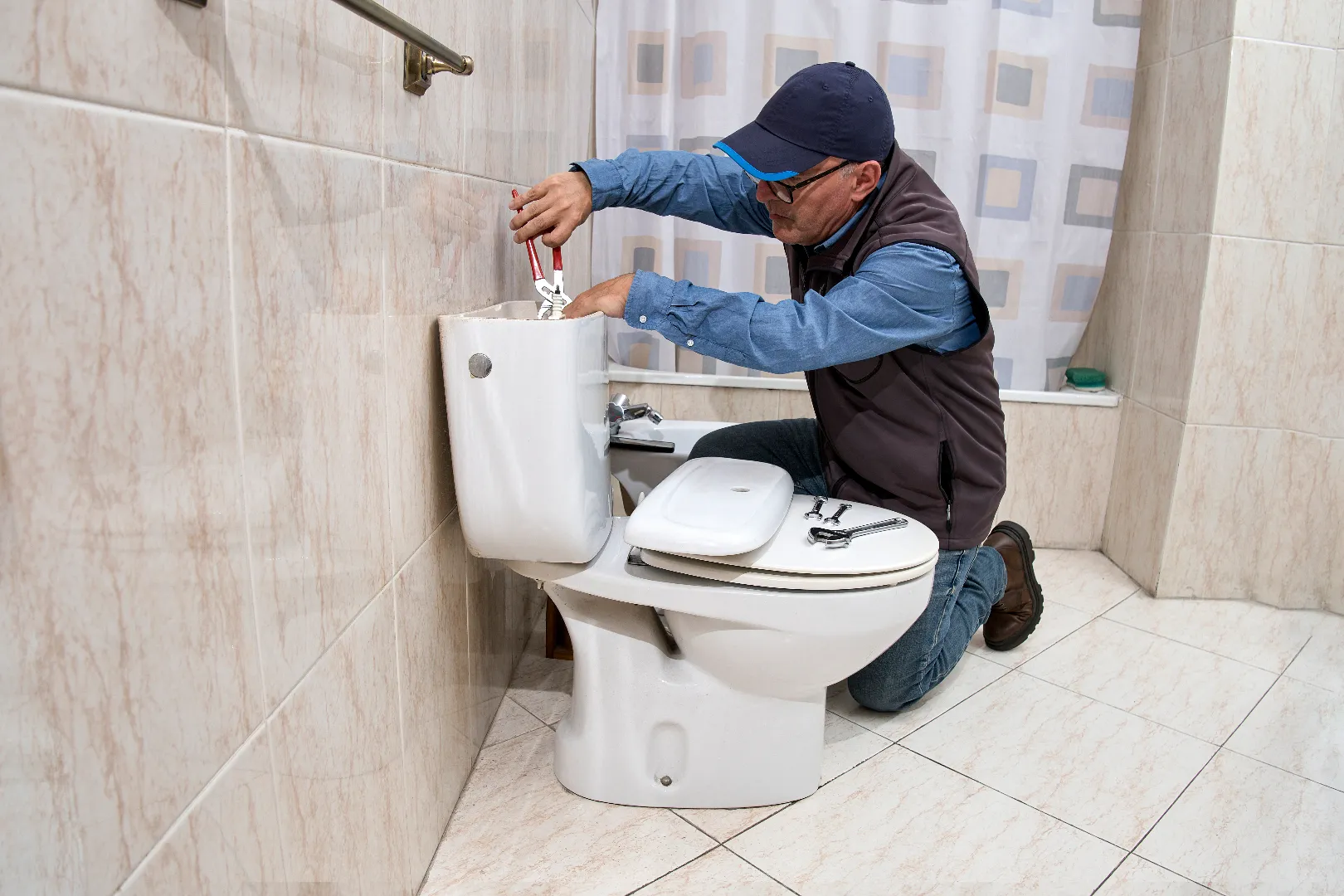
Every toilet clogs occasionally; it's an inevitable reality of plumbing. But a toilet that clogs repeatedly, requires frequent plunging, or backs up on a weekly or monthly basis is signalling a deeper problem that the plunger isn't solving.
Chronic clogging has several possible causes:
- Low-flow toilet with inadequate flush power: Some early-generation low-flow toilets (particularly those installed in Toronto homes during the 1990s) were notorious for inadequate flush performance. If your toilet is from this era, replacement with a modern dual-flush or high-efficiency toilet often permanently resolves the chronic clogging problem.
- Foreign objects lodged in the trap: Small objects such as children's toys, hygiene products, or excessive toilet paper can partially lodge in the toilet trap, not causing an immediate full blockage but significantly reducing the passage size so that subsequent flushes clog easily. A plumber can remove these with a closet auger.
- Blocked or damaged drain line: If the drain line serving the toilet has a partial obstruction, buildup, root intrusion, or a belly (sag), waste backs up rather than flowing freely. This is not a toilet problem but a drain problem, and plunging the toilet provides only temporary relief. Camera inspection of the toilet's dedicated drain line is the diagnostic step.
- Improper venting: Inadequate or blocked venting creates back-pressure that makes it difficult for waste to flow away properly, predisposing the toilet to frequent clogs.
Problem 7: Water on the Floor Around the Toilet Base
Discovering water on the floor around the base of your toilet is an urgent problem requiring immediate attention. Even a small amount of water at the toilet base, if left unaddressed, will damage the floor covering, rot the subfloor, and potentially compromise the ceiling of the room below.
The source of the water determines the fix:
- Condensation: During hot, humid Toronto summers, cold water in the toilet tank can cause condensation to form on the outside of the porcelain and drip to the floor. This is harmless but should be ruled out before assuming a leak. Condensation follows a temperature pattern (more in humid weather) and doesn't have a sewage smell.
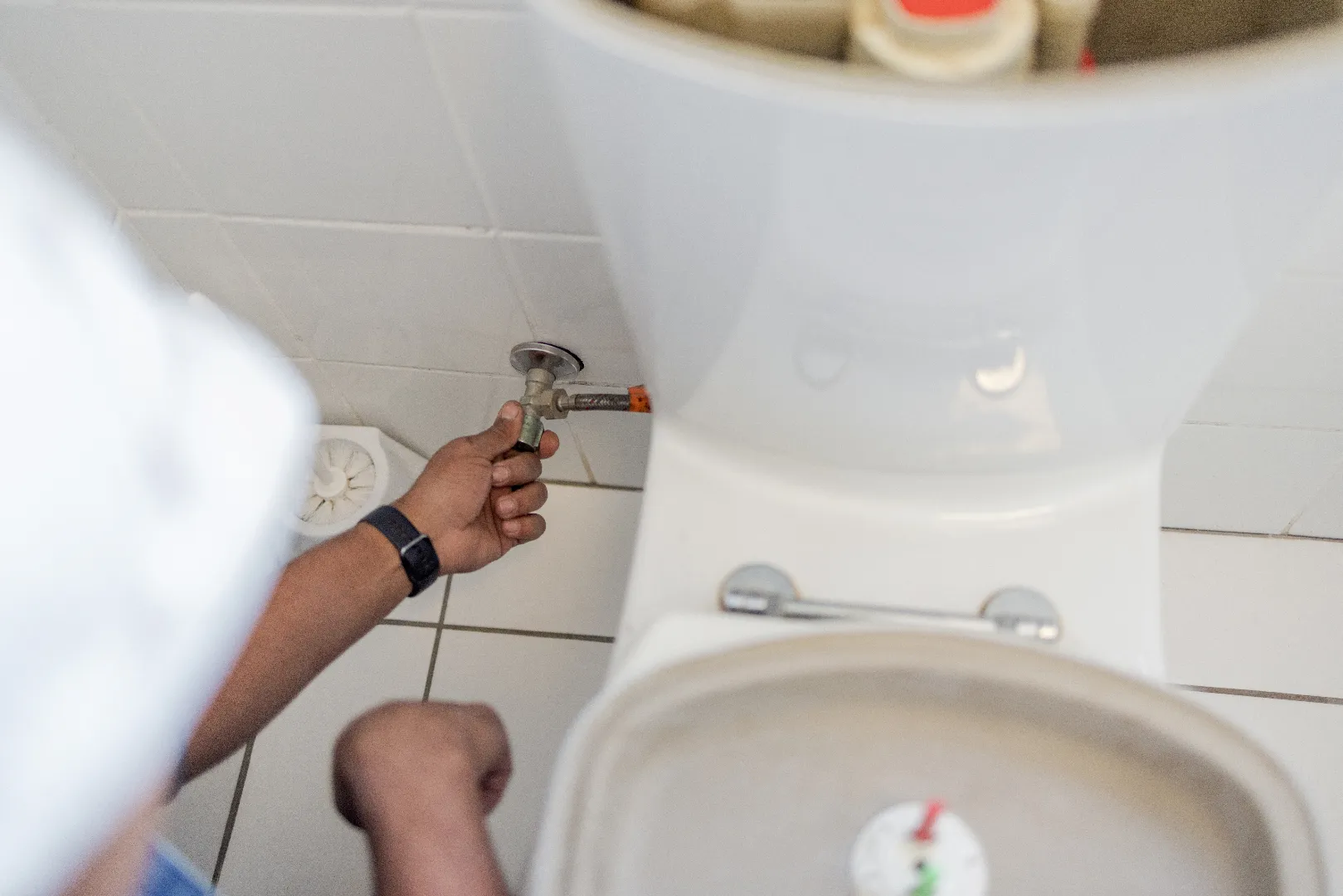
- Loose supply line connection: The braided steel or plastic supply line connecting the shutoff valve to the toilet tank can leak at either connection point. Inspect this line carefully: hand-tightening is often sufficient; if the fitting is corroded or the line is cracked, replace it entirely.
- Cracked toilet base: Hairline cracks in porcelain at the toilet base are sometimes invisible when dry. Under flush pressure and weight, water escapes through the crack. If you find a crack, the toilet requires replacement, as cracks cannot be reliably repaired.
- Failed wax ring: The most common cause of water at the toilet base during or after flushing is a failed wax ring seal. This requires the toilet to be removed, the old wax ring replaced, and the toilet reset: a job for a licensed Toronto plumber.
Problem 8: Phantom Flushes (Toilet Refills On Its Own)
If your toilet periodically makes a brief refilling sound without anyone flushing, a phenomenon called a phantom flush or ghost flush, you have a slow, silent leak from the tank into the bowl. While less immediately alarming than a running toilet, phantom flushes waste significant water and confirm that the tank isn't holding its water level properly.
The classic test for a phantom flush is the dye test: drop a few drops of food colouring into the toilet tank and wait 15 minutes without flushing. If colour appears in the bowl, water is leaking from the tank through the flapper seal. The flapper is almost always the culprit for phantom flushes; it's not sealing completely, allowing a slow, steady trickle from tank to bowl until the water level drops enough to trigger the fill valve.
Flapper replacement is one of the most accessible DIY toilet repairs. Shut off the supply valve, flush to empty the tank, unhook the old flapper, and install a matching replacement. If the phantom flush continues after flapper replacement, the issue may be with the fill valve or the overflow tube height, and a plumber's diagnosis is appropriate at that point.
DIY Toilet Repairs vs. Calling a Toronto Plumber
Being realistic about what's appropriate for DIY versus professional repair saves both money and frustration. Here's a practical breakdown:
Reasonable DIY repairs for most homeowners:
- Flapper replacement (straightforward, inexpensive, well-documented)
- Float adjustment to correct tank water level
- Toilet seat replacement
- Supply line replacement (shut off water, unscrew old line, install new)
- Basic plunging for a standard clog
- Toilet shim installation for minor rocking on uneven floors
Call a licensed Toronto plumber for:
- Wax ring replacement (requires removing and resetting the toilet)
- Floor flange repair or replacement
- Recurring clogs that suggest a drain line issue
- Gurgling sounds indicating vent or sewer line problems
- Water damage to subfloor requiring assessment
- Toilet rocking caused by damaged flange
- Any situation requiring work on the drain rough-in or supply inside the wall
- Toilet replacement including the drain connection
How Much Does Toilet Repair Cost in Toronto?
Understanding market-rate costs for toilet repair in Toronto helps you evaluate quotes and avoid overpaying or being surprised.
- Basic repair (flapper, fill valve, supply line): $100–$200 including parts and a standard service call
- Wax ring replacement and toilet reset: $200–$350 including labour and new wax ring/hardware
- Floor flange repair: $250–$500 depending on the extent of damage and access
- Drain line clearance (toilet-specific clog): $150–$300 for snaking
- Sewer camera inspection: $200–$350 if required to diagnose recurring clog cause
- Toilet replacement (new toilet, installation, disposal of old unit): $500–$900 for a standard toilet; $800–$1,500+ for comfort height, dual-flush, or premium brands
Always request a written quote before authorizing repair work. Most licensed Toronto plumbers provide a diagnostic assessment and quote before beginning any repairs.
When It's Time to Replace Instead of Repair
Sometimes the most economical and practical decision is to replace a toilet entirely rather than continuing to invest in repairs. Consider replacement when:
- The toilet is over 15 years old: Toilets manufactured before 2010 use significantly more water per flush than modern models. A new WaterSense-certified dual-flush toilet uses as little as 4.8 litres per flush versus 13+ litres for older models. The water savings alone can offset installation cost within a few years on Toronto's tiered billing.
- You've had multiple repair calls within a year: If a toilet has required two or more plumber visits in a single year, the cumulative repair cost likely exceeds what a new toilet installation would have cost. A modern toilet carries a manufacturer warranty and should provide 20+ years of reliable service.
- There are visible cracks in the porcelain: Cracks in the toilet base, tank, or bowl cannot be reliably repaired. A cracked toilet is a time bomb; it will fail completely and potentially cause significant floor damage when it does.
- The toilet constantly runs despite repairs: Some older toilet mechanisms are simply worn out. If you've replaced the flapper, fill valve, and float and the toilet still misbehaves, the entire tank mechanism may need replacement, at which point a new toilet is often the more sensible investment.
Frequently Asked Questions
How much water does a running toilet waste?
A running toilet typically wastes 200 litres per day, equivalent to roughly 73,000 litres per year. On Toronto Water's combined water and wastewater billing rate, this adds $600–$800 or more to your annual water bill. Homes with two running toilets are wasting over $1,200 per year. The fix, almost always a $5–$15 flapper replacement, pays for itself within days. If you suspect a running toilet, do the dye test immediately to confirm the waste.
Can I fix a running toilet myself?
In many cases, yes. The most common cause, a worn flapper, is a straightforward DIY repair. Shut off the supply valve behind the toilet, flush to drain the tank, unclip the old flapper from the overflow tube ears, unhook the chain from the flush handle arm, and install the matching replacement in reverse order. Universal flappers are available at any Toronto hardware store for under $15. If flapper replacement doesn't stop the running, the fill valve may need replacement, also doable for a confident DIYer, though calling a plumber at that point is perfectly reasonable.
When should I replace my toilet instead of repairing it?
Replace your toilet when it's over 15 years old and requiring repeated repairs, when visible cracks appear in the porcelain, when it uses an old 13-litre-per-flush design that wastes water year-round, or when cumulative repair costs are approaching what a new toilet installation would cost. Modern dual-flush toilets use 4.8–6 litres per flush, and Toronto Water's tiered billing makes water efficiency financially meaningful. A new toilet is an investment that pays back through water savings and repair-free operation for 20+ years.
Why does my toilet make a gurgling sound?
Gurgling after flushing indicates air is being pulled through the toilet's water trap to equalize pressure in the drain system, a sign that the plumbing vent stack is blocked or that there's a partial obstruction in the main drain. Common vent blockages in Toronto include ice accumulation in winter, bird nests in spring, and leaf debris in fall. If gurgling occurs regularly or is accompanied by slow drains elsewhere in the home, have a licensed plumber inspect the vent stack and main drain line.
What does a plumber charge for toilet work in Toronto?
Basic toilet repairs such as flapper or fill valve replacement typically cost $100–$200 including parts and the service call. Wax ring replacement requiring the toilet to be removed and reset runs $200–$350. Toilet replacement including a new standard toilet, installation, and removal of the old unit costs $500–$900 for most Toronto homeowners. Premium comfort-height or dual-flush models cost more. Always get a written quote from a licensed plumber before authorizing any work beyond a basic diagnostic visit.
Still Have a Toilet Repair Problem in Toronto & GTA?
Describe your toilet repair issue below and a licensed Toronto & GTA plumber will call you back in under 15 minutes. No answering service, no voicemail.
- Licensed & Insured Master Plumbers
- 60-Minute Emergency Response in Toronto & GTA
- Real Plumber Answers, No Answering Service
- Upfront Pricing Before Any Work Begins
- 24/7 Service, 365 Days a Year Including Holidays
Limited Same-Day Spots Available Today
Our dispatch fills quickly. Submit now to secure your slot.
Get a Free Quote in 15 Minutes
Takes 30 seconds to fill out. We'll do the rest.