Drain Cleaning vs. Drain Repair in Toronto
When your drain backs up or runs slow, every Toronto homeowner faces the same question: is this a cleaning job or something more serious? Understanding the difference between drain cleaning and drain repair can save you from paying too much, or too little, for the right solution. This expert guide breaks down exactly what each service involves, when you need one versus the other, and how licensed plumbers in the GTA diagnose drain problems before touching a single pipe.
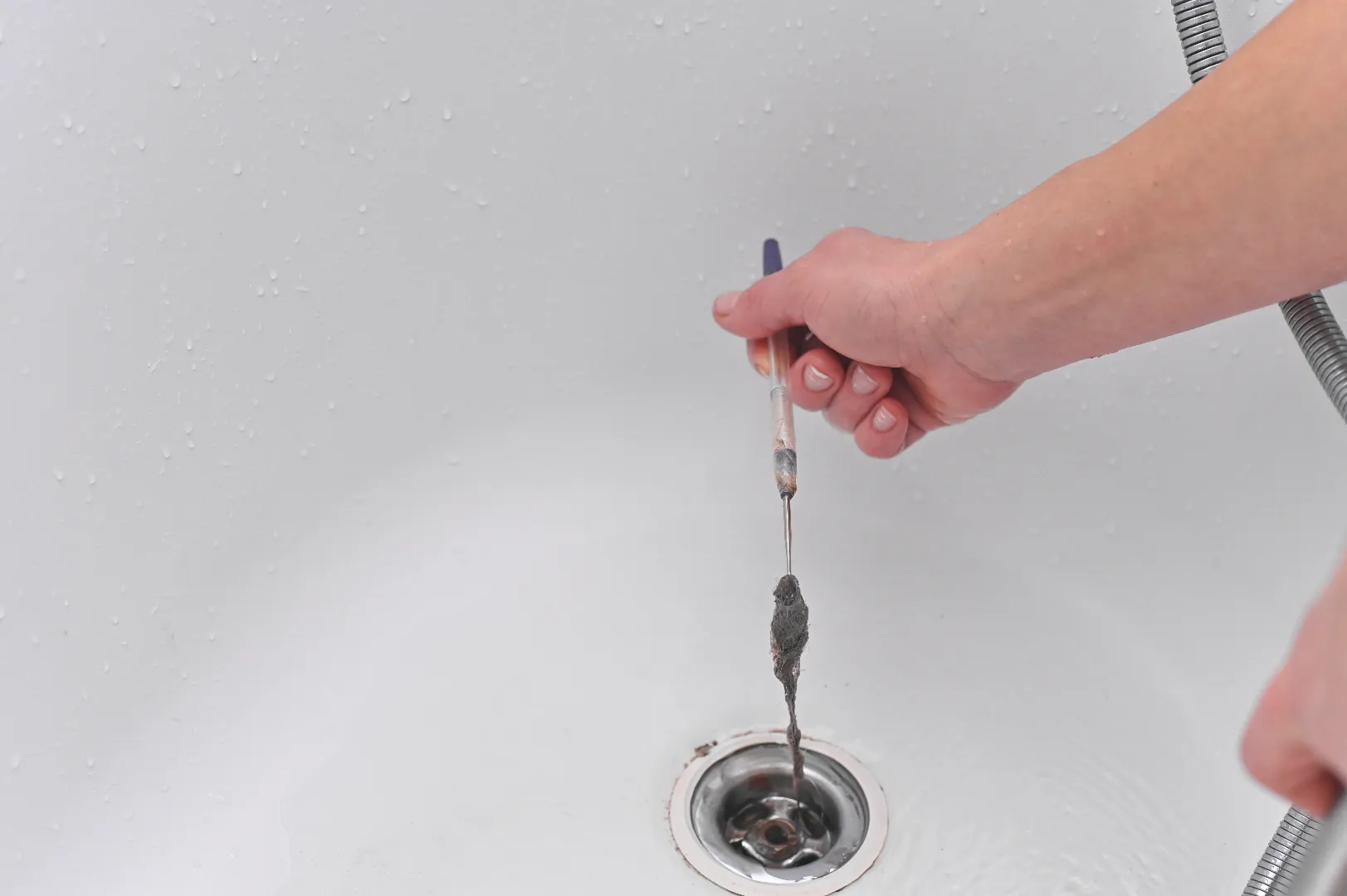
What Is Drain Cleaning?
Drain cleaning is the process of removing blockages and buildup from inside your drain pipes without altering the pipe's structural integrity. Think of it like a deep clean for your plumbing system: the pipes themselves are fine; they just need the gunk cleared out. Clogged drain Toronto calls account for the majority of residential plumbing service requests across the GTA, and most are resolved with cleaning alone.
Licensed plumbers in Toronto use several methods to clean drains, depending on the severity and location of the clog:
- Drain snaking (auger): A flexible metal cable is fed into the drain and rotated to break apart or hook onto blockages. Snaking is the most common method for household clogs caused by hair, soap scum, and organic debris. It's fast, affordable, and effective for straightforward obstructions within the first several metres of pipe.
- Hydro jetting: High-pressure water, typically between 1,500 and 4,000 PSI, is blasted through the pipe to scour away grease, scale, and stubborn buildup clinging to pipe walls. Hydro jetting is particularly effective for kitchen drain lines where years of cooking grease have accumulated, as well as for main sewer lines that experience frequent backups.
- Enzyme-based drain cleaners: Biological enzyme treatments break down organic material over time. These are used primarily as maintenance tools rather than emergency solutions and are safe for all pipe types. Many Toronto plumbers recommend monthly enzyme treatments to keep drain lines clear between professional cleanings.
- Bio-drain treatments: Similar to enzyme cleaners, these are biodegradable bacterial cultures that digest soap scum, hair, and food particles. They're eco-friendly and won't damage your pipes or the municipal sewer system.
Drain cleaning is the appropriate service when your pipes are structurally sound but blocked. The pipe walls are intact; water simply can't flow past whatever is in the way.
What Is Drain Repair?
Drain repair involves fixing or replacing sections of drain pipe that have been physically damaged, deteriorated, or compromised. This is a different category of problem entirely. Cleaning won't fix a cracked pipe any more than washing your car will fix a dented bumper.
Drain repair in Toronto typically addresses the following conditions:
- Cracked or fractured pipes: Cast iron drains common in Toronto homes built before the 1970s are particularly prone to cracking as the metal corrodes over decades. PVC pipes can crack from ground movement or physical impact during construction work.
- Root intrusion: Toronto's mature urban tree canopy is one of the city's defining features, and one of its biggest plumbing hazards. Tree roots are relentlessly drawn toward the moisture and nutrients inside sewer and drain lines. Once roots penetrate a joint or crack, they expand inside the pipe, causing progressively worse blockages and eventually collapsing the line entirely. In severe cases, sewer line repair or replacement is the only lasting solution.
- Pipe corrosion and deterioration: Older galvanized steel and cast iron drains corrode from the inside out. As the pipe walls thin, they lose structural integrity and eventually fail. No amount of cleaning will restore a pipe that has corroded through.
- Bellied or sagged pipe: When the ground beneath a drain line settles or shifts, sections of pipe can sink, creating low spots where water pools and solids accumulate. These low spots, called "bellies," cause chronic slow drains and backups that cleaning won't resolve permanently.
- Collapsed sections: In severe cases, pipe sections fail entirely and collapse. This requires excavation and full pipe replacement.
- Joint separation: As homes settle over decades, the joints connecting pipe sections can pull apart, creating gaps where wastewater leaks into surrounding soil and roots enter the pipe.
When Drain Cleaning Is All You Need
The majority of drain calls in the GTA are cleaning jobs. If your drain issue is relatively recent, isolated to a single fixture or area, and the pipe itself is in good condition, cleaning will almost always solve the problem completely.
Common situations where drain cleaning is the right solution:
- Grease buildup in kitchen drains: Cooking oil and grease solidify as they cool and coat the inside of drain pipes. Over time, these layers build up until water can barely pass. Hydro jetting is particularly effective at restoring full flow to grease-loaded kitchen drain lines.
- Hair clogs in bathroom drains: Hair tangles around the stopper assembly and accumulates in the trap and first section of pipe. Drain snaking or removal with a hair drain tool clears these clogs quickly.
- Soap scum accumulation: Bar soap and certain liquid soaps leave behind a waxy residue that, combined with mineral deposits from Toronto's moderately hard water, can progressively narrow the effective diameter of drain pipes.
- Organic material buildup: In kitchen and laundry drains, food particles, lint, and other organic debris create slow-building blockages that respond well to snaking or enzyme treatments.
- First-time clogs in newer homes: If you've never had a clog before in a younger home, it's very likely a simple obstruction rather than a structural problem.
When Drain Repair Is Required
Several clear indicators suggest your drain problem goes beyond what cleaning can fix. Recognizing these signs early can prevent minor damage from becoming a major excavation project.
- Recurring clogs despite professional cleaning: If a plumber clears your drain and it backs up again within weeks or a few months, something structural is likely trapping debris or causing slow flow. Repeated clogs in the same location are a reliable warning sign.
- Multiple fixtures backing up simultaneously: When your toilet, bathtub, and basement floor drain all back up at the same time, the problem is almost certainly in the main sewer line, and if cleaning doesn't resolve it permanently, the line may be damaged.
- Sewage odours in the home: Persistent sewer gas smells can indicate a cracked drain line allowing gases to escape into the home. Cleaning won't seal a cracked pipe.
- Slow drains throughout the house: Widespread slow drainage suggests a main line issue that may involve structural damage rather than a simple obstruction.
- Wet spots or sinkholes in the yard: If you notice unexplained wet areas, lush green patches, or depressions in your lawn, it may indicate a broken sewer line leaking beneath the surface.
- Tree root damage confirmed by camera: Once roots have penetrated a pipe, the entry point is a structural defect that will allow re-entry no matter how many times you clear the roots.
The Diagnosis Process: How Plumbers Determine Which You Need
A professional Toronto plumber doesn't guess. They diagnose. The gold standard diagnostic tool is a sewer camera inspection, also called a CCTV drain inspection.
A small waterproof camera on a flexible cable is fed through the drain, transmitting real-time video to a monitor. The plumber can see exactly what's inside the pipe: the nature of the blockage, the condition of the pipe walls, any cracks or root intrusion, pipe alignment, and the condition of joints.
A camera inspection answers the key question definitively: is this pipe fundamentally sound but obstructed, or is there structural damage that requires repair? Without a camera inspection, any diagnosis is an educated guess. The cost of a camera inspection, typically $200–$350 in Toronto, is almost always money well spent when compared to the cost of repeated cleaning calls or undiagnosed structural damage worsening over time.
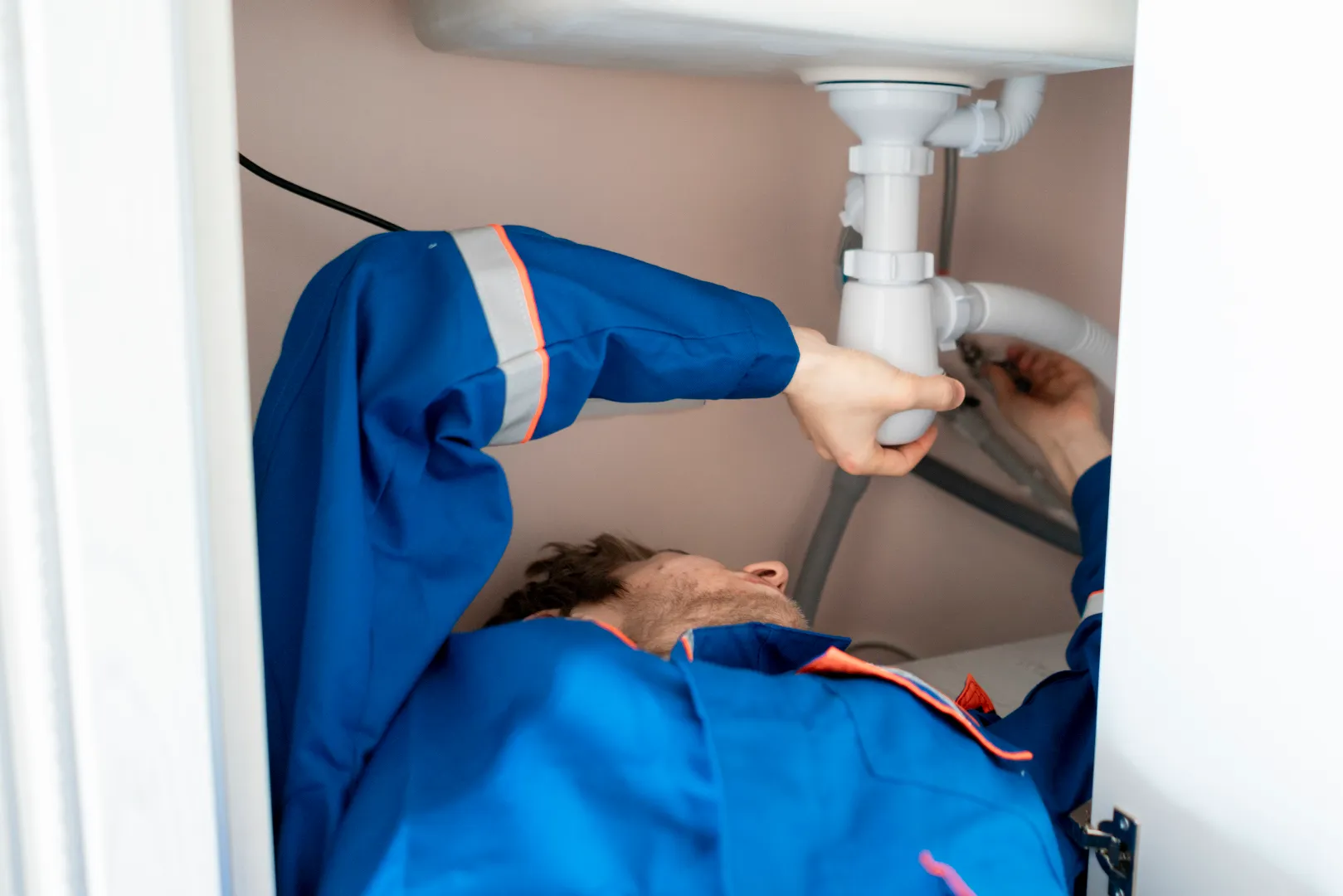
Hydro Jetting vs. Drain Snaking: Which Is Better for Toronto Drains?
Both methods have their place, and the right choice depends on the type of blockage, pipe material, pipe age, and the location of the problem.
Drain snaking is best for:
- Localized clogs within a few metres of the drain opening
- Hair, small objects, and soft organic clogs
- Older cast iron pipes that may not withstand high-pressure water
- Quick, lower-cost response when the clog is straightforward
Hydro jetting is best for:
- Grease and scale buildup coating pipe walls: snaking only punches a hole through the clog; hydro jetting removes it completely
- Main sewer line cleaning where buildup spans long distances
- Preventative maintenance cleaning for restaurant drains and high-use commercial lines
- Clearing root fragments after cutting has been performed
- Pipes that have been confirmed structurally sound via camera inspection
One important caution: hydro jetting should never be used on pipes with confirmed cracks, corrosion, or structural weakness, as the high pressure can worsen existing damage. This is why camera inspection before hydro jetting is standard practice among quality Toronto plumbers.
Cost Comparison: Drain Cleaning vs. Drain Repair in Toronto
Understanding typical costs helps Toronto homeowners budget appropriately and recognize when a quote seems out of line.
- Drain snaking (standard): $150–$250 for a single drain. Prices increase for main line snaking or difficult access situations.
- Hydro jetting: $300–$650 for residential lines, depending on line length and severity of buildup. Commercial properties run higher.
- Sewer camera inspection: $200–$350 as a standalone service. Many plumbers include it when diagnosing recurring drain problems or as part of a larger scope of work.
- Pipe repair (spot repair): $500–$1,500 for accessible sections. When excavation is required, costs rise to $1,500–$3,000 or more depending on depth and location.
- Full pipe replacement: $3,000–$10,000+ for main sewer line replacement, depending on length, depth, and method (open trench vs. trenchless).
Trenchless pipe repair methods, including pipe lining and pipe bursting, are increasingly available in Toronto and can significantly reduce both cost and disruption compared to traditional excavation. Ask your plumber whether your situation qualifies for a trenchless approach.
Common Toronto Drain Problems and Their Solutions
Toronto's housing stock spans from century-old Victorian homes in Cabbagetown and the Annex to new builds in North York and Scarborough, and drain repair Toronto needs vary accordingly. Neighbourhoods like Rosedale, Forest Hill, and East York, with mature tree canopies and clay sewer laterals installed decades ago, see significantly higher rates of root intrusion and structural pipe damage than newer subdivisions.
- Pre-1970s homes with cast iron drains: These pipes are reaching or have exceeded their service life. Cleaning extends function but recurring issues usually indicate corrosion. Camera inspection is essential to assess remaining pipe life.
- Toronto's clay soil and mature trees: Clay soil contracts and expands with moisture changes, stressing pipe joints. Combined with the city's large tree population, where maples, oaks, and silver maples are particularly aggressive, root intrusion is extremely common in Toronto's older neighbourhoods.
- Combined basement drains: Many older Toronto homes have floor drains that connect directly to the sanitary sewer. These are often neglected until a main line backup floods the basement. Regular cleaning of floor drain traps prevents costly emergencies.
- Kitchen grease accumulation: Even households that follow best practices occasionally get significant grease buildup. In Toronto's older homes where kitchen drain lines run long horizontal distances before reaching the stack, grease accumulation is particularly problematic.
Can Drain Cleaning Prevent Future Repairs?
Absolutely. Preventative drain cleaning is one of the most cost-effective maintenance strategies a Toronto homeowner can implement. Think of it like changing the oil in your car: it doesn't prevent the engine from eventually wearing out, but it dramatically extends the service life and prevents catastrophic failures.
Recommended maintenance cleaning schedule for Toronto homes:
- Kitchen drains: Professional cleaning every 1–2 years, with monthly enzyme treatments between visits
- Main sewer line: Camera inspection and cleaning every 2–3 years for homes with mature trees nearby; every 3–5 years for others
- Bathroom drains: Use drain screens to catch hair; enzyme treatments monthly; professional cleaning as needed when flow slows
- Basement floor drains: Pour a bucket of water down monthly to maintain the trap seal; inspect annually
Regular professional cleaning also gives plumbers the opportunity to spot early-stage pipe deterioration before it becomes a major repair. Catching a small crack or early root intrusion during a routine cleaning visit is far less expensive than addressing a collapsed sewer line discovered during a basement flood.
Frequently Asked Questions
How do I know if I need drain cleaning or repair?
The most reliable way is a sewer camera inspection. Signs that lean toward cleaning: a single clogged fixture, a first-time backup, or slow drains that respond temporarily to snaking. Signs that lean toward repair: recurring clogs within weeks of clearing, multiple fixtures backing up simultaneously, sewer odours, or visible wet spots in your yard. When in doubt, a camera inspection provides a definitive answer for around $200–$350.
How often should I get my drains cleaned in Toronto?
For most Toronto homes, a professional kitchen drain cleaning every one to two years and a main sewer line inspection every two to three years is a sensible baseline. Homes with mature trees nearby, older cast iron pipes, or a history of backups should clean more frequently. Monthly enzyme treatments between professional visits help maintain flow and reduce organic buildup between service calls.
What is hydro jetting and when do I need it?
Hydro jetting uses high-pressure water (1,500–4,000 PSI) to scour the interior walls of drain pipes, removing grease, scale, and mineral deposits that snaking leaves behind. You need it when drain snaking provides only temporary relief, when kitchen drains are severely grease-coated, or as a thorough cleaning before pipe lining repair. It should only be performed on structurally sound pipes, always after a camera inspection confirms the pipe can handle the pressure.
Can tree roots cause drain problems in Toronto homes?
Yes, root intrusion is one of the most common causes of sewer line problems in Toronto, particularly in mature neighbourhoods where large maples, oaks, and silver maples grow close to homes. Roots seek out moisture and nutrients inside drain lines, entering through cracks and joint gaps. Once inside, they grow and expand, eventually causing complete blockages and structural pipe damage. Regular camera inspections are the best early-warning system for root intrusion.
How much does drain cleaning cost in Toronto?
Standard drain snaking Toronto homeowners pay typically runs $150–$250 for a single fixture. Hydro jetting Toronto main sewer lines costs $300–$650 for residential properties. Camera inspection adds $200–$350 if not included in the service call. Emergency after-hours calls carry a premium, typically an additional $75–$150 over standard rates. Always get a written quote that includes labour, any parts, and the specific method being used before authorizing work.
Still Have a Drain Cleaning Problem in Toronto & GTA?
Describe your drain cleaning issue below and a licensed Toronto & GTA plumber will call you back in under 15 minutes. No answering service, no voicemail.
- Licensed & Insured Master Plumbers
- 60-Minute Emergency Response in Toronto & GTA
- Real Plumber Answers, No Answering Service
- Upfront Pricing Before Any Work Begins
- 24/7 Service, 365 Days a Year Including Holidays
Limited Same-Day Spots Available Today
Our dispatch fills quickly. Submit now to secure your slot.
Get a Free Quote in 15 Minutes
Takes 30 seconds to fill out. We'll do the rest.