Emergency Plumbing Cost in Toronto: 2025 Pricing Guide
Understanding emergency plumbing cost in Toronto is critical before you call a plumber at 2 a.m., because panic-driven decisions often lead to overpaying. The plumber cost across the GTA varies widely depending on the job, the time of day, and the company you call. This guide gives you real 2025 pricing benchmarks from licensed Toronto plumbers so you know exactly what to expect, what's fair, and how to protect yourself from inflated quotes when your pipes don't care what time it is.
Standard vs. Emergency Plumbing Rates in Toronto
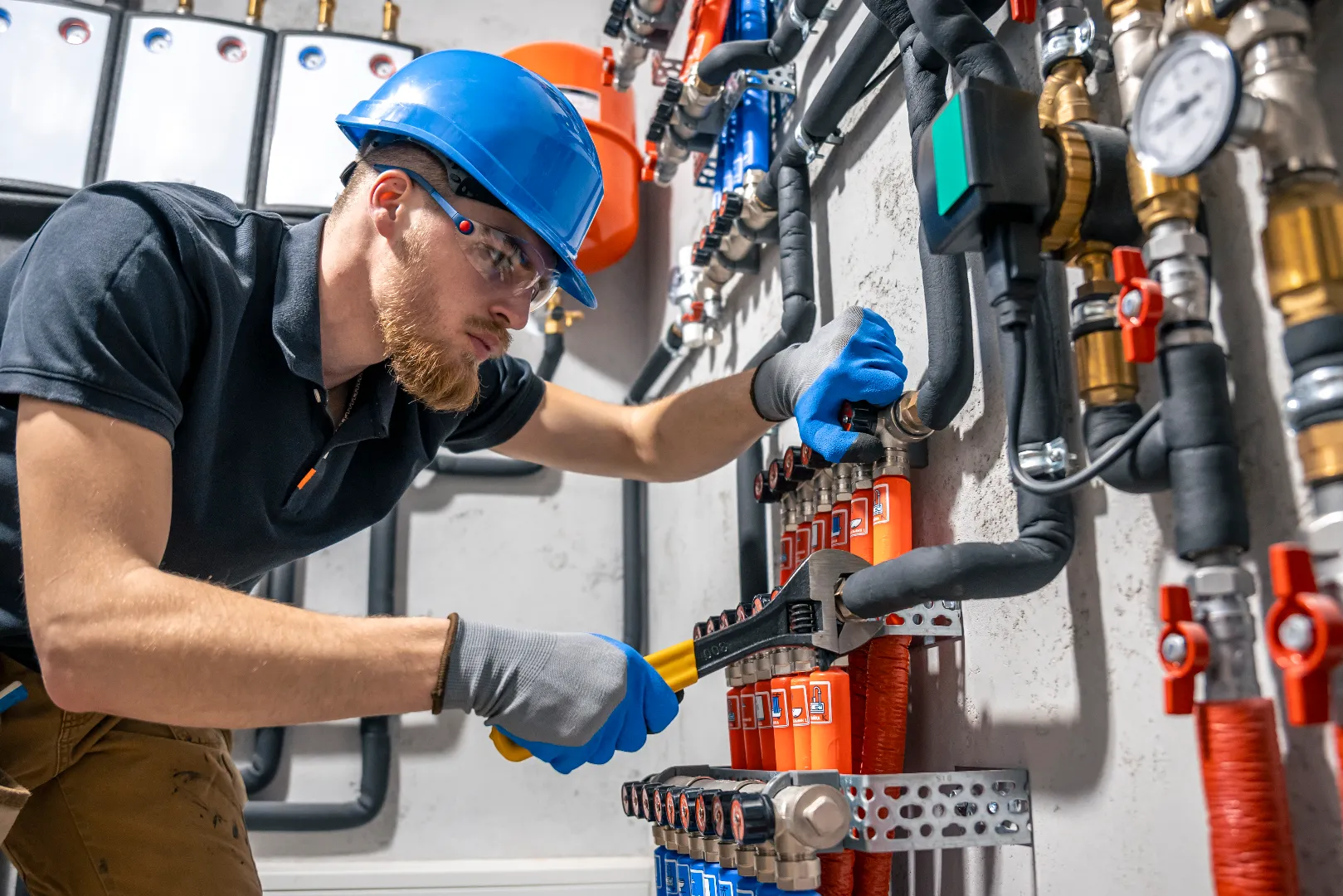
There is a meaningful price difference between standard business-hours plumbing and after-hours emergency service, and it's entirely legitimate. Emergency plumber Toronto professionals command a premium because they must maintain on-call staff, keep vehicles stocked and ready, and respond within one to two hours at any time of day or night, including holidays and weekends.
As a general rule, expect plumbing cost Toronto emergency rates to run approximately 1.5x to 2x the standard daytime rate. A job that costs $350 during a regular weekday appointment might cost $500–$650 if you call at midnight on a Saturday. This premium covers the dispatch fee, after-hours labour, and the logistical overhead of 24/7 service availability.
What constitutes a legitimate emergency premium versus price gouging? Legitimate emergency premiums are disclosed upfront, applied consistently, and reasonable in magnitude. Price gouging involves quoting inflated base rates, hiding fees, or adding fabricated charges after work begins. Always ask for a written quote that separates the service call fee, hourly labour rate, and any estimated parts costs before authorizing work.
It's also worth understanding that not every after-hours call is a true plumbing emergency. A slow-draining bathroom sink is inconvenient, not urgent. Waiting until morning for a standard appointment will save you the emergency premium. A burst pipe flooding your basement, a gas leak, or a completely inoperable toilet in a single-bathroom home are genuine emergencies that justify the premium service.
Typical Plumber Hourly Rates in Toronto
Hourly rates for licensed plumbers in Toronto in 2025 fall within predictable ranges depending on whether you're calling during standard hours or after hours:
- Standard business hours (Mon–Fri, 8 a.m.–5 p.m.): $100–$200 per hour. Most plumbers also charge a service call or dispatch fee of $75–$150 on top of the hourly rate, which covers travel and the first portion of the job.
- After-hours and weekend service: $150–$300 per hour, with a higher dispatch fee typically in the range of $100–$200. Some companies charge a flat after-hours premium added to all labour, while others simply raise the hourly rate.
- Statutory holidays: Expect the highest premiums on holidays like Christmas, New Year's Day, and Canada Day. Some companies charge double or even triple time for holiday call-outs.
Most plumbing jobs are quoted as flat-rate or per-job pricing rather than purely hourly, so you pay for the job, not the clock. This is generally better for homeowners because it eliminates the incentive for slow work. Always ask whether you're being quoted a flat rate or a time-and-materials rate, and get it in writing.
Some companies also offer a minimum charge regardless of how quickly the job is completed. A one-hour minimum at $175/hr means you pay $175 even if the plumber fixes your running toilet in 20 minutes. Factor this into your calculations when deciding whether to attempt a minor repair yourself first.
Common Emergency Plumbing Jobs and Their Costs
Here are realistic 2025 price ranges for the most common emergency plumbing calls in Toronto. These figures represent the total cost including labour, parts, and a standard dispatch fee:
- Burst pipe repair: $400–$1,500. The wide range reflects pipe location (accessible vs. in-wall), material, and severity. An exposed copper pipe burst in a mechanical room is far less expensive to repair than a pipe burst inside a finished basement wall requiring drywall removal.
- Drain snaking: $150–$300 for a standard drain; $250–$500 for a main sewer line. After-hours calls add the emergency premium on top of these figures.
- Toilet repair: $100–$350 for most repairs including replacing a flapper, fill valve, or wax ring. A full toilet replacement runs $400–$900 including the new fixture and labour.
- Water heater emergency: $800–$2,500 depending on the nature of the failure. Replacing a pressure relief valve or thermocouple is at the lower end; emergency replacement of the entire unit is at the higher end. See our water heater repair service for details on common failures and pricing.
- Sewer backup clearing: $300–$1,000. Standard snaking clears most backups; severe blockages requiring hydro jetting or root cutting cost more. If a camera inspection reveals structural pipe damage, repair costs are additional.
- Gas leak repair: $300–$1,500 and up. Gas work must be performed by a licensed gas technician (also a licensed plumber in Ontario). The range depends entirely on whether the repair is a simple fitting tightening or involves replacing gas lines.
- Faucet repair: $100–$250. Cartridge or ceramic disc replacement, stem repair, and most standard faucet repairs fall in this range. A full faucet replacement with a new fixture supplied by the homeowner runs $200–$400 in labour.
What Factors Affect Emergency Plumbing Costs in Toronto?
Multiple variables move the final price up or down from these benchmarks. Understanding them helps you anticipate your bill:
- Time of day and holiday premiums: After-hours, weekend, and holiday calls all carry premiums. If you can safely wait until morning without risk of further damage, doing so saves money.
- Job complexity and access: A simple repair on an accessible pipe costs far less than the same repair inside a finished wall, under a concrete slab, or in a crawlspace. Whenever pipes are buried or enclosed in walls, expect higher costs for demolition, excavation, and restoration.
- Parts and material costs: High-end fixtures, specialty parts for older homes, or emergency sourcing from after-hours suppliers all increase material costs. Confirm what parts will be used before work begins.
- Location within the GTA: Travel time for emergency calls can factor into dispatch fees for outer GTA locations in Etobicoke, Scarborough, Mississauga, or Brampton.
How to Get an Accurate Quote for Emergency Plumbing in Toronto
Getting an accurate quote in an emergency is challenging since plumbers often can't give a precise price sight-unseen, but you can take steps to protect yourself:
- Ask for a written estimate before work begins. Even a text message or emailed scope of work provides documentation. Never authorize work on a purely verbal quote for any job over $200.
- Ask specifically about the dispatch/service call fee. This is often charged separately ($75–$200) and may or may not apply toward the total labour cost.
- Clarify the billing model: flat rate per job, or hourly time-and-materials? Flat rate is usually better for straightforward jobs.
- Ask what happens if the job expands in scope. Reputable plumbers discuss changes and get approval before performing additional work.
- Compare two quotes when time allows. For non-urgent situations, calling two licensed plumbers takes 30 minutes and can save hundreds of dollars.
Warning Signs of Overcharging by Toronto Plumbers
Most licensed Toronto plumbers are honest professionals, but the industry does attract some bad actors, particularly for emergency calls when homeowners are distressed and less likely to question pricing. Watch for these red flags:
- Refusing to provide a written quote before starting work: this is a non-negotiable standard for reputable plumbers
- An initial quote that grows dramatically once work begins, without any new information justifying the increase
- Pressure to decide immediately and refusal to allow time to get a second opinion on a non-emergency situation
- No license number provided: all Ontario plumbers must be licensed under the Ontario College of Trades and must provide their license number on request. Use a verified licensed Toronto plumber to ensure accountability.
- Vague line items on the invoice: legitimate invoices show labour hours, specific parts with model numbers, and itemized charges
- Recommending full replacement when repair is clearly sufficient: upselling is the most common form of overcharging in the plumbing industry
How to Save Money on Plumbing Repairs in Toronto
The best way to reduce your lifetime plumbing costs is through preventive maintenance, spending a small amount proactively to avoid large emergency bills reactively. Concrete strategies that Toronto homeowners can implement include:
- Annual plumbing inspection: A licensed plumber can identify small issues before they become expensive emergencies. Annual inspections typically cost $150–$300 and can prevent thousand-dollar emergency calls.
- Regular drain maintenance: Monthly enzyme treatments, hair catchers in bathroom drains, and avoiding grease disposal down kitchen drains reduces costly blockages.
- Know your shut-off valves: Locate your main water shut-off valve and the shut-offs for key fixtures. Being able to stop water flow within seconds of a burst pipe can prevent tens of thousands of dollars in water damage.
- Address small leaks immediately. A dripping faucet or slowly running toilet can indicate developing problems. Fixing small issues promptly prevents them from becoming large ones.
- Insulate pipes before winter: Toronto winters regularly drop well below -20°C with wind chill. Insulating pipes in unheated spaces like garages, crawlspaces, and exterior walls prevents burst pipes — one of the most expensive plumbing emergencies.
Does Home Insurance Cover Emergency Plumbing in Ontario?
Whether your home insurance covers emergency plumbing costs depends critically on the cause of the damage, not simply the fact of the damage. Ontario home insurance generally works like this:
- Sudden and accidental damage is typically covered: A pipe that bursts unexpectedly causing water damage to floors and walls is generally covered under most standard home insurance policies. The water damage remediation and structural repairs are covered; the plumbing repair itself is often not.
- Gradual damage is typically not covered: A slow leak that has been developing for months causing mould and rot is considered a maintenance issue. Gradual deterioration is excluded from most standard policies.
- Sewer backup requires separate coverage: Sewer backup and overland flooding are not included in standard home insurance policies in Ontario. These are sold as endorsements that must be purchased separately. Given Toronto's aging sewer infrastructure, this coverage is worth serious consideration.
Always review your specific policy and speak with your broker about coverage gaps before an emergency occurs. Filing a claim for uncovered losses, or discovering you're not covered after a major flood, is a painful and expensive surprise.
Why Upfront Pricing Matters
At Emergency Repair Plumbers, we believe Toronto homeowners deserve to know what they're paying before we turn a single wrench. That's why we provide written quotes before beginning any work, with no surprises, no hidden fees, and no pressure to approve additional work you haven't explicitly authorized.
Our emergency plumbing rates are transparent, our technicians are licensed under the Ontario College of Trades, and every job is backed by our workmanship warranty. When you contact us for an emergency plumbing call, you'll know the price before we start, because that's how honest plumbing service should work.
Frequently Asked Questions
How much does a plumber charge per hour in Toronto?
Licensed plumbers in Toronto charge $100–$200 per hour during standard business hours (Monday to Friday, 8 a.m. to 5 p.m.), plus a dispatch or service call fee of $75–$150. After-hours emergency rates run $150–$300 per hour with higher dispatch fees. Most jobs are quoted at a flat rate per job rather than a purely hourly rate, which is generally more transparent and predictable for homeowners.
Do emergency plumbers in Toronto charge more on weekends?
Yes, weekend plumbing calls carry a premium in Toronto, typically adding 25% to 50% above the standard weekday rate. Saturday daytime calls are usually at the lower end of this range, while Sunday calls and any overnight work run at the higher end. Statutory holidays carry the highest premiums, sometimes double or triple the standard rate. Many companies are transparent about their weekend rate schedule, so ask before booking.
Can I negotiate plumbing prices in Toronto?
For standard non-emergency work, there is sometimes room to negotiate, particularly if you're booking multiple jobs at once or have been a repeat customer. For emergency calls, pricing is generally fixed because the plumber has little flexibility, as after-hours staff and rapid dispatch have real costs. Where you have the most leverage is in getting competitive quotes from two or three licensed plumbers for non-urgent work, which naturally drives fair pricing through competition.
What should I ask before a plumber starts work?
Ask for a written estimate covering: the total quoted price, the billing model (flat rate or hourly), the service call fee and whether it applies toward the total, what specific parts will be used, whether any demolition or restoration is included, and what happens if the scope changes. Also confirm the plumber's Ontario license number. Getting these details in writing before work begins protects you from billing disputes afterward.
Does OHIP or any government program cover plumbing costs in Ontario?
OHIP covers medical services only and has no application to plumbing costs. However, Ontario and various municipalities offer rebate programs that can reduce plumbing-related costs in certain circumstances. The City of Toronto's Basement Flooding Protection Subsidy Program offers rebates for installing backwater valves, sump pumps, and disconnecting downspouts. Check the City of Toronto website and your local municipality for currently available programs, as eligibility and funding levels change year to year.
Still Have a Emergency Plumbing Problem in Toronto & GTA?
Describe your emergency plumbing issue below and a licensed Toronto & GTA plumber will call you back in under 15 minutes. No answering service, no voicemail.
- Licensed & Insured Master Plumbers
- 60-Minute Emergency Response in Toronto & GTA
- Real Plumber Answers, No Answering Service
- Upfront Pricing Before Any Work Begins
- 24/7 Service, 365 Days a Year Including Holidays
Limited Same-Day Spots Available Today
Our dispatch fills quickly. Submit now to secure your slot.
Get a Free Quote in 15 Minutes
Takes 30 seconds to fill out. We'll do the rest.