How to Prevent Frozen Pipes in Toronto: The Complete Winter Guide
Frozen pipes Toronto plumbers respond to hundreds of emergency calls every January and February, and the heartbreaking truth is that most of them were entirely preventable. Winter plumbing Toronto presents unique challenges: a housing stock full of older homes, pipes routed through uninsulated exterior walls, and temperatures that can plunge below -20°C. This guide gives you everything you need to protect your home before the cold arrives.
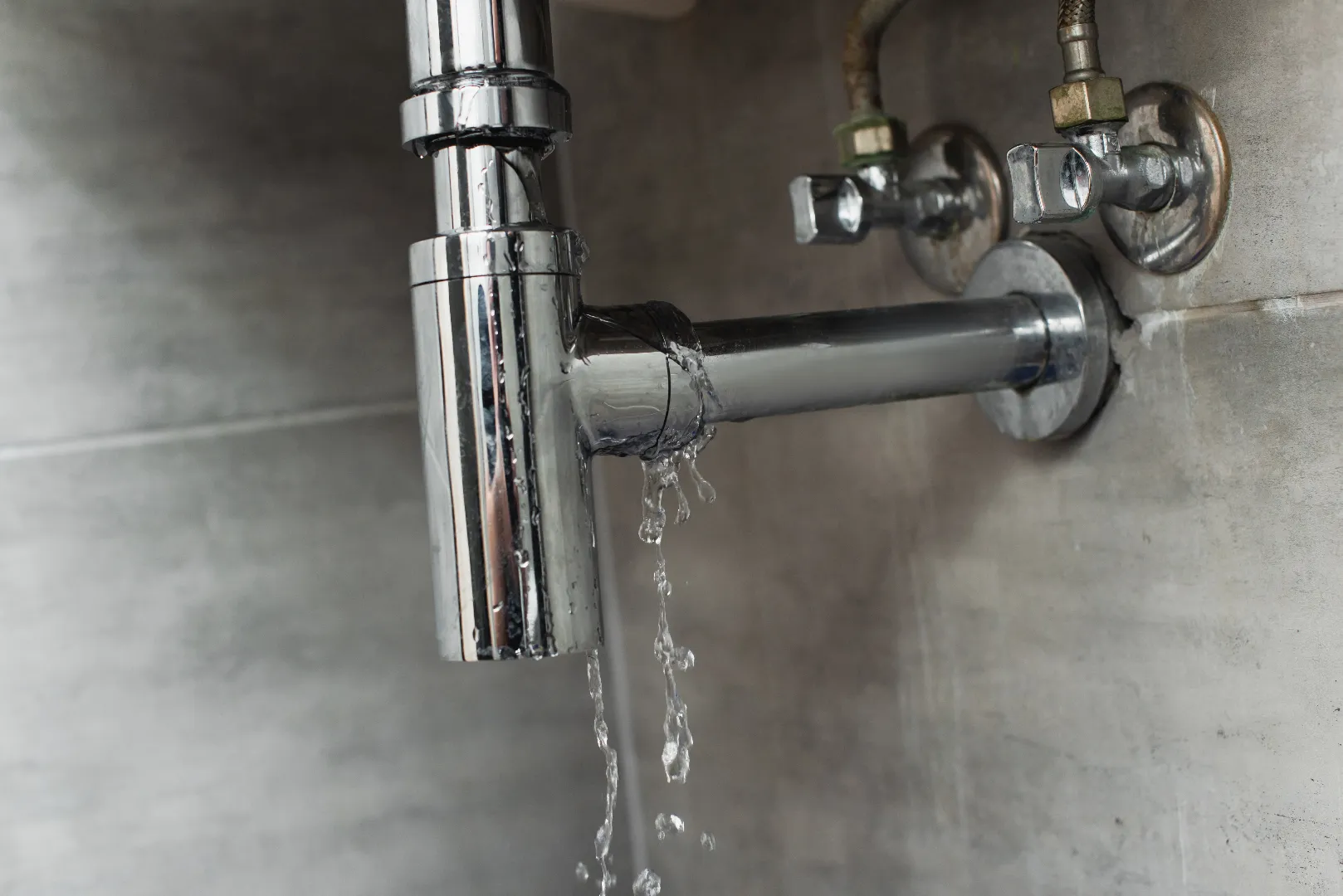
Every winter, the same pattern repeats across Toronto: a polar vortex descends, temperatures drop well below -15°C for several consecutive days, and frozen pipe Toronto emergency calls flood plumbing lines across the GTA. The water damage from a single burst pipe Toronto homeowners face can run from $5,000 to $50,000 when you account for flooring, drywall, furniture, and mold remediation, and Toronto sees hundreds of these claims every February. Understanding why Toronto homes are so vulnerable, and what you can do about it, is the most valuable pipe repair Toronto knowledge a homeowner can have.
Why Toronto Homes Are Vulnerable to Frozen Pipes
Toronto's housing stock is heavily skewed toward older construction. The city has hundreds of thousands of homes built before 1970, when building codes had far less stringent requirements for pipe insulation and placement. In these homes, it's common to find copper or galvanized steel pipes running through exterior wall cavities, uninsulated crawlspaces, attached garages, and cold rooms, all locations where sustained freezing temperatures can reach the pipe. A licensed Toronto plumber can assess your home's specific vulnerabilities before winter sets in.
Modern homes built after the 1990s are somewhat better protected by improved code requirements, but they're not immune. Pipes in exterior walls can still freeze if the insulation has settled, shifted, or been compromised by moisture over the years. Attached garages with plumbing for utility sinks or laundry connections are a particularly common source of freeze claims.
Toronto also experiences more dramatic freeze-thaw cycling than cities further north. The temperature might hit -18°C one night and +5°C two days later. This cycling stresses pipes physically and means there are more freeze events per winter season, not fewer.
At What Temperature Do Pipes Freeze in Ontario?
Water in pipes begins to freeze when the surrounding air temperature drops below 0°C and stays there long enough to conduct cold through the pipe wall. However, pipes typically don't burst from a single cold night at -2°C. The real danger threshold in Ontario is a sustained temperature below -6°C for six or more hours in the location where the pipe is located: not the outdoor air temperature, but the temperature at the pipe itself.
This distinction matters. When the outdoor temperature is -15°C, the air inside an uninsulated exterior wall cavity might be -8°C to -10°C. A garage connected to the home but with no heat might reach -12°C. A crawlspace with gaps in the foundation skirt might be colder still. The outdoor forecast is a trigger to act. The actual risk depends on how exposed your specific pipes are.
The National Building Code of Canada specifies that pipes in unheated spaces should be insulated to maintain a temperature above 4°C. Many older Toronto homes simply don't meet this standard.
Which Pipes Are Most at Risk in Toronto Homes?
Not all pipes in your home are equally exposed. The highest-risk locations in a typical Toronto home include:
- Pipes in exterior walls, especially on the north and west sides of the home, which receive less solar warming
- Pipes in attached or detached garages, particularly supply lines to utility sinks or laundry connections
- Pipes in unheated crawlspaces, common in older Toronto bungalows and side-splits
- Outdoor hose bibs and their supply lines: the indoor pipe leading to the exterior faucet is often in an uninsulated exterior wall
- Basement cold rooms: many Toronto homes have cold rooms adjacent to the foundation that drop to outdoor temperatures in winter
- Pipes in cabinet spaces on exterior walls, particularly under kitchen sinks
- Supply lines to vacation properties or cottages: if you have a secondary property that sits unheated, all pipes are at risk
10 Proven Ways to Prevent Frozen Pipes in Toronto
1. Keep your thermostat at a minimum of 16°C, even when away. Many Toronto homeowners turn the heat down dramatically when they travel to save on energy costs. This is a false economy. Set your thermostat to no lower than 16°C when away, or better, 18°C. The cost of the extra heating is trivial compared to the cost of a burst pipe and flood restoration.
2. Open cabinet doors under sinks on exterior walls. Kitchen and bathroom vanity cabinets on exterior walls trap cold air, keeping the pipes inside far colder than the room temperature. During cold snaps, open these cabinet doors to allow warm room air to circulate around the pipes. This simple step costs nothing and can make a meaningful difference.
3. Let a slow trickle flow from at-risk faucets during extreme cold. Moving water is significantly harder to freeze than standing water. During extreme cold events (below -15°C for more than 12 hours), allow the most vulnerable faucets to trickle slowly. Choose faucets fed by pipes on exterior walls.
4. Insulate pipes in garages, crawlspaces, and exterior walls. Foam pipe insulation sleeves are inexpensive and available at any hardware store. They slip over exposed pipes and significantly slow the rate at which cold penetrates to the water. For garages, wrap supply lines completely. For crawlspaces, insulate all exposed pipes and consider insulating the crawlspace walls as well.
5. Disconnect and drain garden hoses before the first freeze. A connected garden hose traps water in the outdoor hose bib and the supply line leading to it. When that water freezes, the ice can propagate back into the pipe inside your wall. Disconnect all garden hoses before November in Toronto, close the indoor shutoff valve for outdoor hose bibs, and open the outdoor faucet to drain remaining water.
6. Seal gaps and cracks in walls near pipes. Cold air infiltration through foundation cracks, wall penetrations, and gaps around pipe entry points dramatically increases freeze risk. Seal these gaps with spray foam insulation or caulk. This also improves your home's overall energy efficiency.
7. Know where your main water shutoff is before a freeze. If a pipe does freeze and burst, the damage is directly proportional to how quickly you can shut off the water supply. Every member of your household should know where the main shutoff valve is and how to operate it. This preparation can mean the difference between a $400 pipe repair and a $15,000 flood restoration.
8. Have your heating system serviced annually. A furnace or boiler failure during a Toronto cold snap is a double emergency: you've lost heat and your pipes are now at immediate risk. Annual service before winter, ideally in October, ensures your equipment is reliable when temperatures drop.
9. Add heat cable (heat tape) to especially vulnerable pipes. For pipes where insulation alone isn't sufficient — such as an uninsulated crawlspace or a north-facing exterior wall — self-regulating heat cables wrap around the pipe and consume electricity only when the temperature drops near freezing. They're available at hardware stores and can be installed as a DIY project on accessible pipes.
10. Book a pre-winter plumbing inspection with a licensed Toronto plumber. A professional pipe inspection in Toronto before December can identify vulnerable pipe locations, test your shutoff valves, and give you a personalized risk assessment for your specific home. A pre-season assessment typically costs $150–$300 and can prevent thousands in pipe repair Toronto costs.
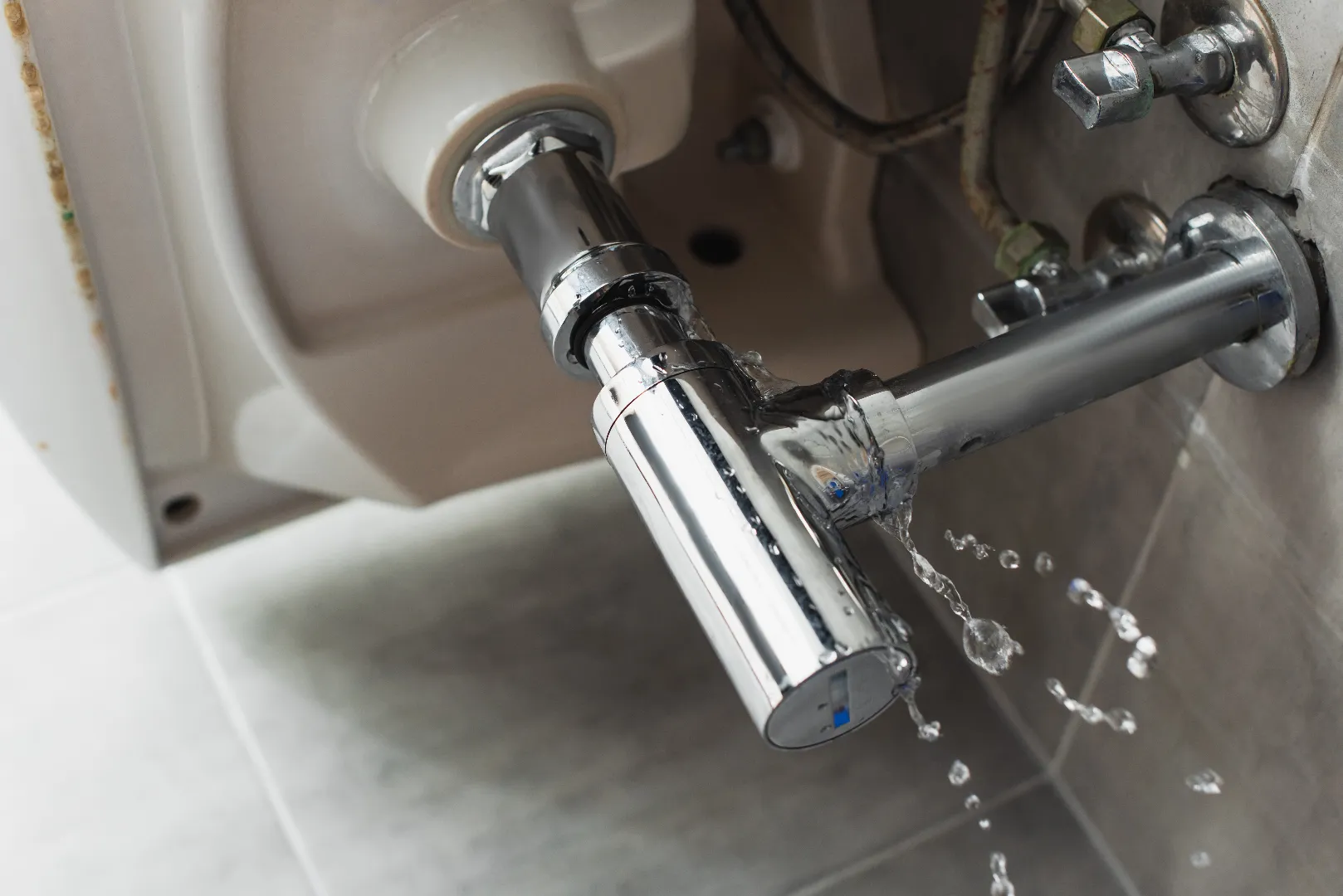
Warning Signs Your Pipes Are Starting to Freeze
Frozen pipes often give warning before they burst. Recognizing these signs early allows you to act before a freeze becomes a rupture:
- Reduced water flow or no water from a specific tap, particularly from faucets on exterior walls or in colder areas of the home
- Frost visible on exposed pipes in garages, crawlspaces, or utility areas
- Unusual sounds from pipes, such as cracking, banging, or the absence of the usual sound of water flowing
- Cold spots on walls near plumbing locations, especially in areas that are normally warm
- Water pressure drop throughout the whole house: if a main supply line is partially frozen, all outlets will show reduced pressure
If you notice any of these signs during a cold snap, act immediately. Call a licensed plumber before the pipe completes the freeze cycle and the expanding ice splits the pipe wall. After thawing, a sewer camera inspection can confirm whether the freeze event caused any internal cracking in your drain lines.
What To Do When Pipes Freeze (Step by Step)
If you suspect a pipe has frozen but hasn't yet burst, there is a window to thaw it safely. Follow these steps:
- Open the faucet served by the frozen pipe. As the ice melts, water needs somewhere to go. An open faucet also relieves pressure buildup that can cause the pipe to burst even during thawing.
- Apply gentle heat to the frozen section. Use a hair dryer on low heat, an electric heating pad, or warm towels wrapped around the pipe. Start near the faucet and work back toward the coldest area. Never use an open flame near pipes — this is a fire hazard and can damage the pipe.
- Work slowly and patiently. Thawing a frozen pipe takes time. Don't rush by applying intense heat to a single spot.
- Check the rest of the system. If one pipe is frozen, others in the same wall or area may be frozen as well. Check all faucets after thawing one pipe.
- Call a plumber if you can't locate the frozen section or if the pipe is inside a wall cavity. Attempting to thaw a pipe you can't see or access safely requires professional equipment.
What To Do When a Pipe Bursts in Toronto
A burst pipe is a full emergency. The sequence of actions matters:
- Shut off the main water supply valve immediately.
- Turn off electricity in any area where water is accumulating.
- Open the burst pipe's faucet to relieve remaining pressure.
- Contain spreading water with towels and buckets.
- Document damage with photos and video for insurance.
- Call an emergency plumber in Toronto immediately.
- Call your insurer's emergency claims line.
Do not attempt to repair a burst pipe yourself with pipe clamps, plumber's putty, or tape. These are temporary patches at best. The pipe section needs to be assessed, cut out, and properly replaced by a licensed plumber.
How Much Does Burst Pipe Repair Cost in Toronto?
The cost depends on the pipe location, material, length of damaged section, and whether wall or floor access is required. Here are realistic 2026 estimates for Toronto:
- Accessible pipe in basement or crawlspace (simple section replacement): $300 to $600
- Pipe behind drywall requiring wall opening: $600 to $1,200 for the plumbing; additional $400 to $800 for drywall repair
- Main water supply line burst: $800 to $2,000+
- Multiple burst pipes (common after a freeze event): $1,500 to $5,000+
- Water damage restoration (separate from plumbing repair): $3,000 to $25,000+ depending on extent
A licensed water line repair specialist will provide a written assessment and estimate before beginning work. Emergency repairs performed after hours carry a premium; this is standard practice and should be disclosed before the call is confirmed.
Frequently Asked Questions About Frozen Pipes in Toronto
At what temperature should I worry about frozen pipes in Toronto?
Begin taking precautions when the forecast calls for sustained temperatures below -10°C for more than 12 hours. At -15°C and below, actively open cabinet doors under exterior sinks, allow faucets in at-risk areas to trickle, and check that your heating system is functioning properly. Pipes in uninsulated spaces can freeze even at -5°C to -8°C if there is air movement or inadequate insulation around them.
How do I thaw frozen pipes safely?
Open the affected faucet first to provide pressure relief, then apply gentle, consistent heat to the frozen section using a hair dryer, electric heating pad, or warm wet towels. Never use an open flame, such as a torch or lighter, near pipes, as this creates a fire risk and can damage pipe material. Work slowly from the faucet end back toward the coldest section. If you can't locate or access the frozen section, call a licensed plumber.
Will insurance cover burst pipe damage in Ontario?
Most standard Ontario homeowner insurance policies cover sudden and accidental water damage from burst pipes under the "water damage" peril. However, insurers may deny claims if they determine the burst resulted from lack of maintenance, a home left unheated, or frozen pipes in a vacation property that wasn't winterized. Document everything thoroughly, notify your insurer promptly, and retain all receipts for emergency repairs and restoration work. Proactively installing a backwater valve can also reduce overall flood risk and may be recognized by your insurer.
How do plumbers price frozen pipe repairs in Toronto?
A straightforward burst pipe repair in an accessible basement location typically costs $300 to $700 for the plumbing work alone. Pipes inside walls add $600 to $1,500 or more, including wall repair. Emergency after-hours repairs carry an additional premium of $150 to $300. Water damage restoration, including flooring, drywall, and mold prevention, is a separate cost that can range from a few thousand to tens of thousands of dollars depending on the extent of flooding.
How quickly can a plumber get to me with a burst pipe?
Emergency Repair Plumbers guarantees a 60-minute response time across Toronto and the GTA. During severe cold snaps, demand for burst pipe Toronto emergency service spikes dramatically. January and February calls can be triple normal volume, so calling immediately rather than waiting is critical. Keep our number saved in your phone before winter. When you call, have your address ready and be prepared to describe whether you've already shut off the main water supply, as this information helps us dispatch the right technician with the right materials for your pipe repair Toronto situation.
Still Have a Pipe Repair Problem in Toronto & GTA?
Describe your pipe repair issue below and a licensed Toronto & GTA plumber will call you back in under 15 minutes. No answering service, no voicemail.
- Licensed & Insured Master Plumbers
- 60-Minute Emergency Response in Toronto & GTA
- Real Plumber Answers, No Answering Service
- Upfront Pricing Before Any Work Begins
- 24/7 Service, 365 Days a Year Including Holidays
Limited Same-Day Spots Available Today
Our dispatch fills quickly. Submit now to secure your slot.
Get a Free Quote in 15 Minutes
Takes 30 seconds to fill out. We'll do the rest.