The Complete New Year Plumbing Checklist for Toronto Homeowners
A thorough plumbing checklist Toronto homeowners can follow annually is one of the most valuable tools for protecting a home's value and avoiding costly emergency repairs. An annual plumbing inspection, whether self-guided or professional, catches the slow leaks, aging equipment, and hidden vulnerabilities that turn into expensive disasters. January is the perfect time to assess your entire system before spring's heavy rains and the year ahead.
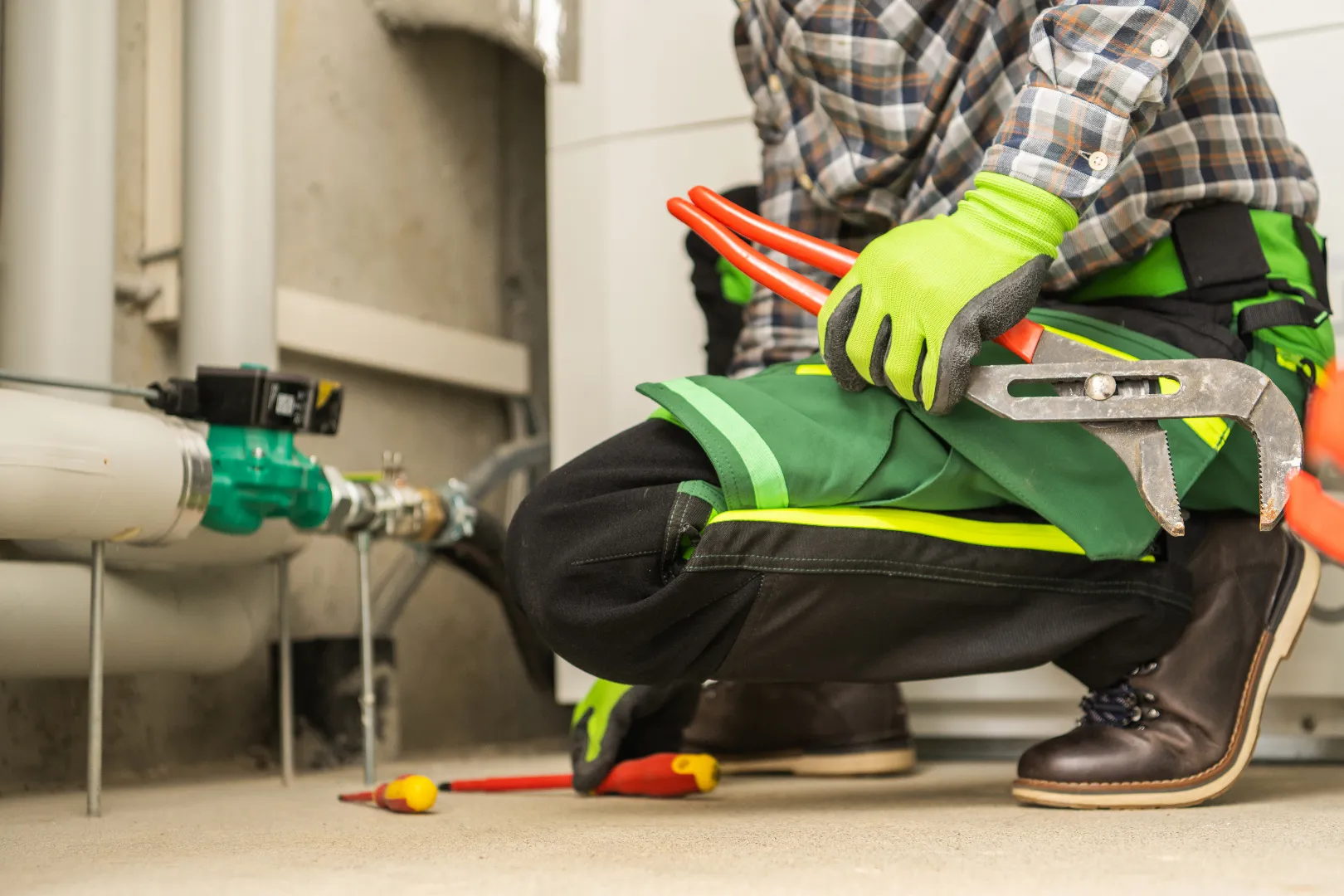
Toronto homes work hard. Between the city's freeze-thaw winters, summer thunderstorms, and the general wear of daily use across all four seasons, a home's plumbing system absorbs significant stress throughout the year. Small issues, such as a slow drain, a slightly weeping connection, or a toilet that runs for two seconds after flushing, are easy to ignore. But these minor symptoms are often the early warning signs of larger failures. A licensed Toronto plumber can help you identify and address these issues before they become costly emergencies. Whether your home is a century-old semi in Leslieville, a 1970s bungalow in Scarborough, or a newer build in Etobicoke, this checklist gives you a systematic way to evaluate every plumbing system in your home, room by room.
Why January Is the Best Time to Inspect Your Toronto Plumbing
January sits in a sweet spot for plumbing inspections in Toronto. The holiday season's heavy use of drains, toilets, and the water heater has just concluded, meaning any stress fractures in aging systems are more likely to be visible. Winter conditions mean you're already thinking about your home's mechanical systems. And catching issues now means you have time to schedule non-emergency repairs before spring, when every plumber in the city is booked solid handling seasonal work.
January also precedes the heavy rain season. Toronto averages 35 to 50 millimetres of rain in April and May, and the city's combined sewer system can become overwhelmed during spring downpours. A sump pump that hasn't been tested, a slow floor drain, or a cracked weeping tile is much better discovered in January than during a spring basement flood.
Block out two hours on a weekend afternoon. Walk through this checklist systematically. Note anything that needs attention and prioritize by urgency. You'll enter the year with a clear picture of your home's plumbing health.
Checklist Section 1: Drain and Sewer Inspection
Slow drains are among the most common, and most ignored, plumbing issues in Toronto homes. Run water in every drain in your home: kitchen sink, bathroom sinks, bathtubs, showers, laundry tub, and basement floor drain. Time how quickly each one drains. A drain that takes more than 10 seconds to begin clearing after you stop running water has significant buildup and should be addressed. Professional drain cleaning Toronto service resolves most slow-drain issues in a single visit, typically for $150–$300.
Listen for gurgling sounds from drains while other fixtures are in use. Gurgling indicates that the drain venting system has a problem: either a blocked vent pipe, a sewer gas issue, or a partial blockage in the main drain stack. In Toronto's older homes with cast iron or clay sewer lines, tree root intrusion is a common cause of partial blockages that produce gurgling symptoms.
Check the basement floor drain specifically. Pour a bucket of water down it to verify it drains freely and that the trap is not dry. A dry floor drain trap allows sewer gas into your basement, a serious health hazard. If you don't use the floor drain regularly, pour a cup of cooking oil down it after the water to seal the trap and slow evaporation. Schedule professional drain cleaning in Toronto if any drain is consistently slow.
Checklist Section 2: Water Heater Inspection
Your water heater deserves careful annual attention, particularly if it's more than six years old. Start with the basics: check the manufacture date on the serial number plate. Look for any moisture, rust staining, or water marks around the base of the unit. Check the pressure relief valve. There should be a discharge pipe pointing downward from the valve. If the discharge pipe is corroded, missing, or terminated into a bucket, it needs to be corrected by a licensed plumber.
If you haven't flushed your water heater in the last year, now is the time. Flushing removes the mineral sediment that accumulates at the bottom of the tank, improves efficiency, and extends the unit's life. Connect a garden hose to the drain valve, run the other end to a floor drain or outdoors, shut off the cold water inlet, and open the drain valve until the water runs clear. Note: if your water heater is very old and has never been flushed, a first flush may stir up sediment that temporarily discolours your hot water; this is normal and will clear.
Check your temperature setting. Most Toronto plumbers recommend 49°C (120°F) as the ideal balance between hot water availability and scalding prevention. Settings above 60°C accelerate tank corrosion and energy consumption. A water heater inspection Toronto homeowners should book annually costs $150–$300 and can catch failing anode rods before they cause tank corrosion. For water heater concerns that require professional attention, don't wait. A failing water heater can flood your utility room with hours' worth of water.
Checklist Section 3: Pipe and Leak Inspection
A systematic leak inspection takes 20 to 30 minutes and can identify water waste costing hundreds of dollars annually and potentially preventing catastrophic damage. Work through the following locations:
- Under every sink: open the cabinet and look at the supply lines, shutoff valves, P-trap, and drain connections. Look for water staining on the cabinet floor, white mineral deposits on fittings (a sign of slow dripping), or any active dripping. If you find a leak, pipe repair in Toronto can address it before it worsens.
- Exposed pipes in the basement: walk the full perimeter and look for any green or white corrosion on copper fittings, rust on galvanized steel pipes, cracks in older cast iron drain lines, or any sign of moisture on the pipe exterior.
- Supply lines to appliances: check the washing machine hoses (rubber hoses older than five years should be replaced with braided stainless steel), dishwasher supply line, refrigerator ice maker line, and any other appliance connections.
- Visible main stack: the large vertical drain pipe (usually cast iron in older Toronto homes) running from the basement up through the home. Look for cracks, joint separations, or rust streaking.
Check your water meter as a final leak test. Turn off all water in the home, then watch the meter's low-flow indicator (usually a small dial or triangle on the face). If it moves while all taps are closed, you have a leak somewhere. Record the meter reading, leave everything off for two hours, and check again. Any change confirms an active leak.
Checklist Section 4: Toilet Inspection
Toilets account for approximately 30 percent of indoor water use, and a running toilet can waste 6,000 to 26,000 litres of water per month, adding $50 to $150 or more to your Toronto water bill every month it goes unresolved. Check every toilet in your home:
- Running water test: Lift the tank lid and listen. You should hear silence. If you hear a hiss or trickle, the flapper or fill valve needs replacement, a $15 to $40 DIY fix or a $75 to $150 plumber visit.
- Dye test for silent leaks: Drop food colouring or a dye tablet in the tank. Wait 10 minutes without flushing. If colour appears in the bowl, you have a flapper leak.
- Stability check: Sit on the toilet and check for any side-to-side rocking. A rocking toilet indicates the floor flange or wax ring seal is compromised. This can lead to slow leaking of sewer gases and water into your subfloor over time.
- Phantom flushes: If your toilet occasionally refills itself without being flushed, the flapper is leaking and the fill valve is activating to compensate. Replace the flapper.
- Slow flush: If the toilet drains slowly or requires multiple flushes, there may be a partial blockage in the trap or drain line.
Checklist Section 5: Faucet and Fixture Inspection
Check every faucet in the home for dripping when closed. A single faucet dripping once per second wastes over 11,000 litres of water annually. More importantly, a dripping faucet indicates that the internal cartridge, washer, or O-ring is failing, and a completely failed cartridge can become a free-flowing leak.
Test all under-sink shutoff valves by turning them fully off and then fully on again. Valves that haven't been operated in years can seize in the open position, failing at the worst possible moment. If a valve won't turn or turns but doesn't stop water flow, it needs to be replaced. In an emergency, you'll rely on these valves to limit damage, and a valve that doesn't work compounds the problem significantly.
Check the caulking around bathtubs, showers, and sink bases. Cracked or missing caulk allows water to penetrate behind tile and into subfloor areas, causing rot and mold. Re-caulking is a simple and inexpensive annual maintenance task that protects against significant structural damage.
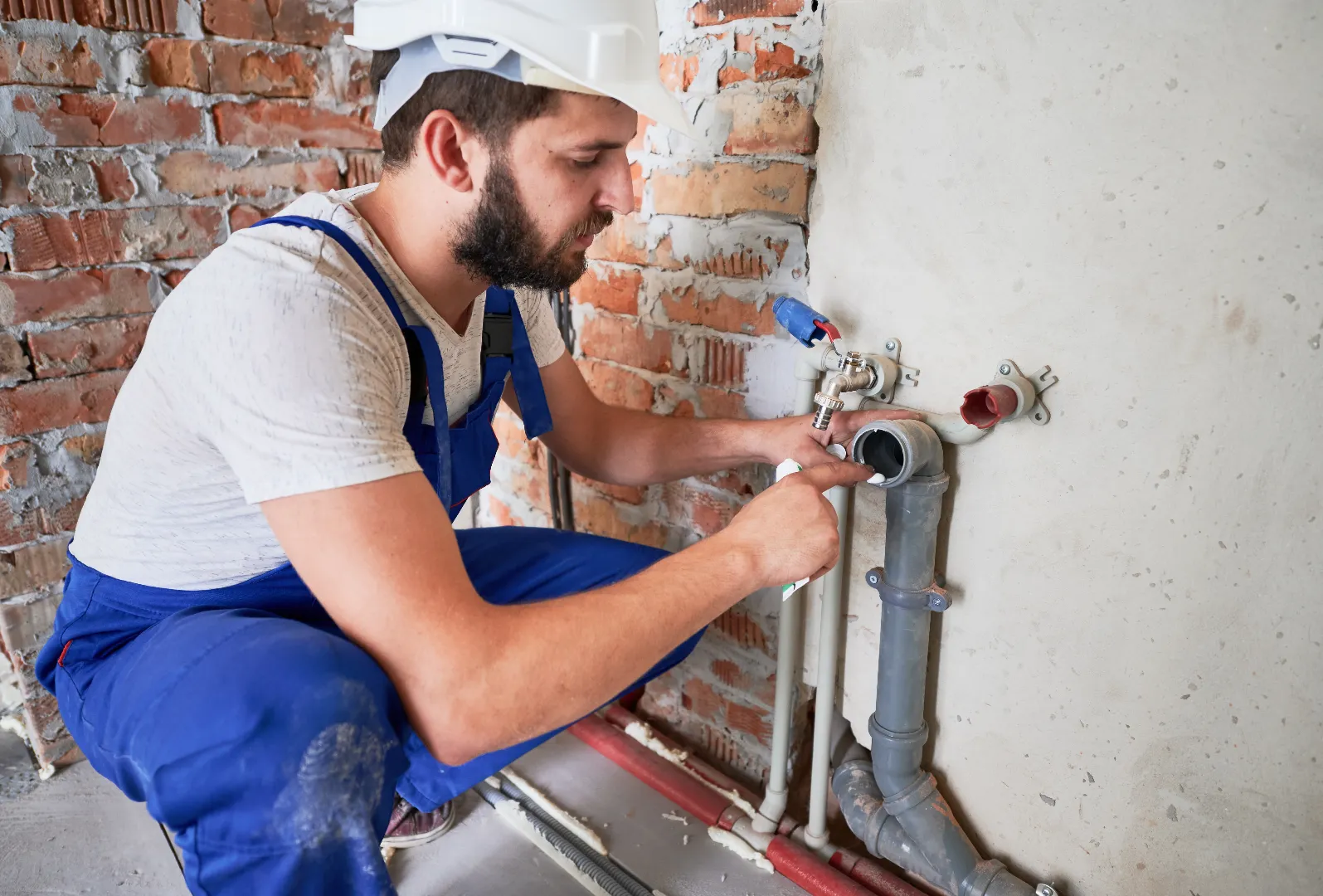
Checklist Section 6: Sump Pump Test
If your Toronto home has a basement sump pump, and most homes built after the 1980s do and many older homes have had them retrofitted, testing it in January means you'll know before spring rain season whether it's functioning. A sump pump failure during a spring storm can flood your basement with thousands of litres of water in hours.
Testing is simple: slowly pour several gallons of water into the sump pit. The float should rise and trigger the pump to activate within a few seconds, pump the water out, and then shut off as the level drops. If the pump doesn't activate, the float may be stuck, the pump may be seized, or there may be an electrical issue.
Inspect the discharge line, the pipe that carries water from the pump to the outside or to a storm drain. Make sure it's not frozen, blocked, or disconnected. Also check that the pit is free of debris that could clog the pump intake. A sump pump specialist in Toronto can service, repair, or replace your unit if the test reveals any problems.
Consider a battery backup or water-powered backup sump pump. Toronto's most severe storms often cause power outages at exactly the same time the sump pump is working hardest. A backup pump provides insurance against the most likely failure scenario.
Checklist Section 7: Water Pressure Check
Correct water pressure is critical for your plumbing system's health. Too high, and you're stressing supply lines, fittings, and appliance connections, accelerating wear and increasing leak risk. Too low, and showers are unsatisfying and appliances don't function correctly.
Ideal residential water pressure is 40 to 80 PSI (pounds per square inch). Toronto's municipal supply pressure at the main varies but is typically adequate. A pressure gauge (available at hardware stores for under $20) attaches to a hose bib and gives you an instant reading. If your pressure consistently exceeds 80 PSI, you need a pressure reducing valve (PRV) installed on your main supply line. This is a licensed plumber job, typically costing $250 to $500. If pressure is below 40 PSI, there may be a partially closed main shutoff, a failing PRV, or a supply line issue that requires investigation.
Note any sudden changes in water pressure from what you experienced last year. Increasing pressure can indicate a PRV failure. Decreasing pressure can indicate corrosion buildup narrowing supply lines, which is common in Toronto homes with older galvanized steel pipes.
Checklist Section 8: Gas Line Visual Inspection
If your home has natural gas service, as the vast majority of Toronto homes do, include a visual inspection of visible gas lines as part of your annual plumbing walkthrough. Look at the flexible corrugated stainless steel tubing (CSST) or black iron pipe running to your furnace, water heater, stove, and dryer. Look for any yellow or brown staining on fittings (which can indicate a slow gas leak), any kinks or damage to flexible connectors, and any connections that appear loose or corroded.
If you ever smell gas, a sulphur or rotten egg odour, leave the home immediately, do not operate any electrical switches, and call Enbridge Gas Emergency at 1-866-763-5427 from a safe distance. Gas line repairs and inspections must be performed by a licensed gas technician (G1 or G2 licence in Ontario).
Checklist Section 9: Outdoor Plumbing
Winter is when outdoor plumbing problems become invisible, and when they can cause the most damage. Check these items:
- Frost-free hose bibs: Verify all garden hoses are disconnected. Test each outdoor faucet by briefly opening it to confirm it's flowing (not frozen) and then closing completely with no dripping.
- Interior shutoff valves for outdoor lines: Locate and test the indoor shutoff valve for each outdoor hose bib. These are typically in the basement or crawlspace on the pipe running to the exterior faucet. If you can't find them, have a plumber locate and label them during your next service visit.
- Irrigation system: Confirm your irrigation system was properly blown out before the first freeze. If not, and temperatures dropped significantly, there may be cracked lines or damaged heads to assess in spring.
- Storm drains and downspout connections: Check that downspouts are not connected to storm drains in a way that could cause backflow. City of Toronto bylaws govern downspout connections to the city's sewer system.
When to Call a Professional Plumber for Your Annual Inspection
The self-guided checklist above is valuable and identifies the majority of visible issues. If anything you find requires urgent attention, don't hesitate to call an emergency plumber in Toronto right away. But there are also situations where a professional plumber's eye and tools are essential for non-urgent assessments:
- Your home is over 40 years old and has never had a professional plumbing inspection
- You have galvanized steel supply pipes (they appear grey/silver, not copper-coloured, and may have white mineral crust at joints)
- You've noticed recurring slow drains across multiple fixtures
- Your water heater is over 10 years old
- You've had any water damage events in the last two years
- You've recently purchased the home and don't know its plumbing history
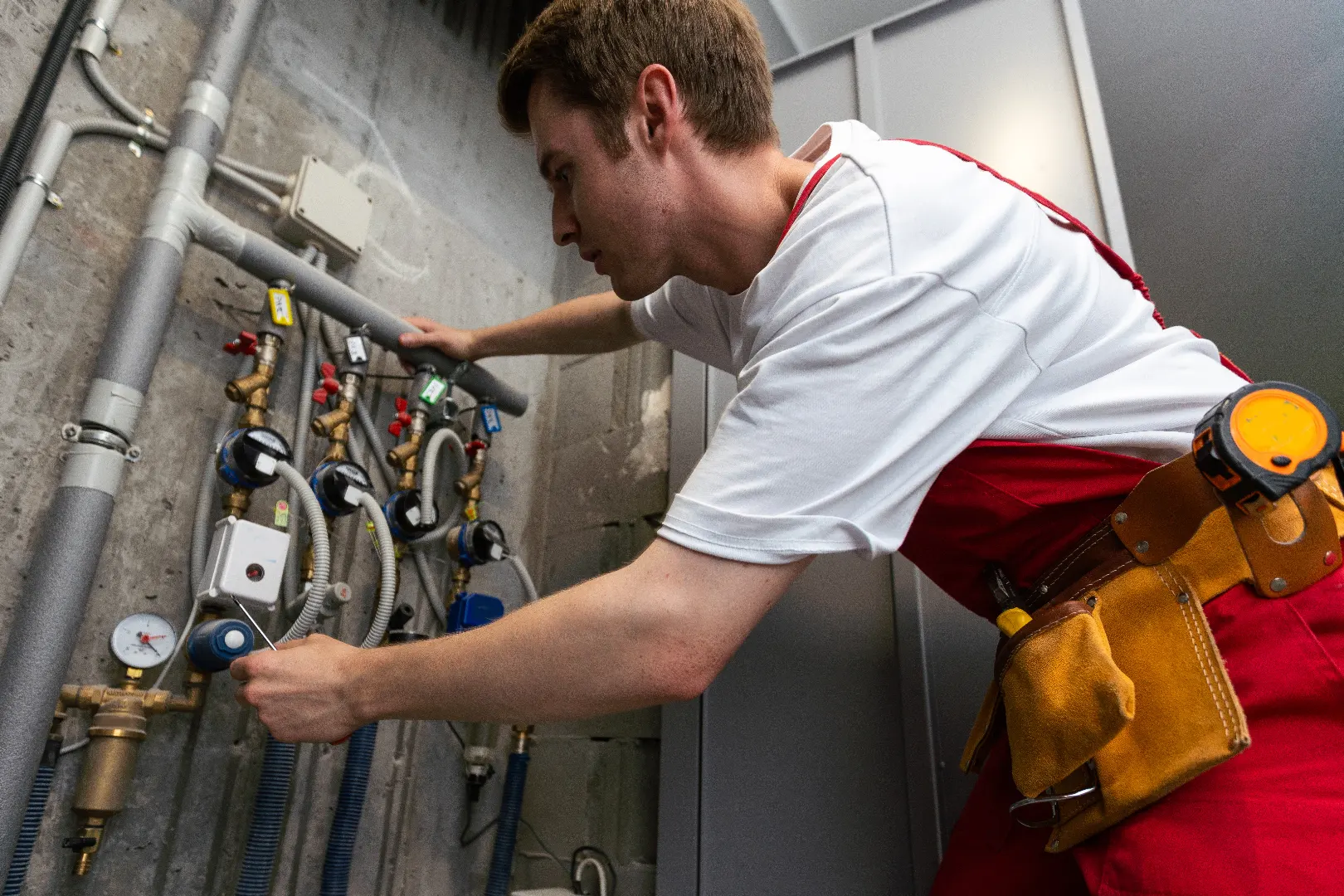
A licensed Toronto plumber brings a camera scope for drain inspection, pressure testing equipment, and the experience to recognize issues that a homeowner wouldn't recognize as problems. A professional annual inspection typically costs $150 to $300, a fraction of the cost of the emergencies it prevents.
Frequently Asked Questions About Toronto Plumbing Inspections
How often should I have my plumbing inspected in Toronto?
Most licensed Toronto plumbers recommend a professional plumbing inspection every two to three years for homes under 20 years old, and annually for homes over 40 years old or with known aging infrastructure like galvanized pipes or old cast iron drain stacks. In addition, a self-guided inspection following a checklist like this one, done annually, is a valuable supplement to professional inspections and helps you stay ahead of developing issues.
What does a professional plumbing inspection include?
A thorough professional plumbing inspection in Toronto covers water pressure testing, visual inspection of all accessible supply and drain lines, fixture testing, water heater assessment, drain camera scoping for root intrusion or blockages, sump pump testing, and evaluation of pipe material and condition. A licensed plumber will also check shutoff valves, gas line connections, and any area of past water damage. You receive a written report with prioritized recommendations.
How much does a plumbing inspection cost in Toronto?
A standard professional plumbing inspection in Toronto typically ranges from $150 to $350 for a residential home, depending on the size and age of the property. Inspections that include drain camera scoping cost more, typically $300 to $500 with the camera work included. Many Toronto plumbers will apply the inspection fee as a credit toward any repair work that results from the inspection. It's always worth asking when you book.
Can I do a plumbing inspection myself?
Yes, the checklist in this article covers the majority of what you can reasonably assess without professional tools. Homeowners can check for leaks, test drains, assess fixture function, and visually inspect accessible pipes. What you can't do without professional equipment is scope drains for root intrusion, pressure-test supply lines, or access pipes inside walls. For homes under 20 years old in good condition, an annual DIY inspection plus a professional inspection every few years is a reasonable approach.
What are the most common plumbing problems found during inspections?
Toronto plumbers most commonly find toilet flappers failing silently (running toilets), mineral-clogged shower heads, deteriorating supply line hoses on washing machines, slow drains with accumulated hair and soap buildup, corroded shutoff valves that no longer function, water heaters approaching or past their service life, and in older homes, galvanized pipes showing significant internal corrosion that restricts flow and poses leak risk.
Still Have a Plumbing Maintenance Problem in Toronto & GTA?
Describe your plumbing maintenance issue below and a licensed Toronto & GTA plumber will call you back in under 15 minutes. No answering service, no voicemail.
- Licensed & Insured Master Plumbers
- 60-Minute Emergency Response in Toronto & GTA
- Real Plumber Answers, No Answering Service
- Upfront Pricing Before Any Work Begins
- 24/7 Service, 365 Days a Year Including Holidays
Limited Same-Day Spots Available Today
Our dispatch fills quickly. Submit now to secure your slot.
Get a Free Quote in 15 Minutes
Takes 30 seconds to fill out. We'll do the rest.