Outdoor Plumbing Maintenance for Toronto Summers
Summer in Toronto is the season for outdoor living: patios, gardens, backyard pools, and long evenings with the garden hose. But it's also the best window of the year to inspect and maintain your outdoor plumbing before the brutal winter freeze arrives. Outdoor plumbing problems that go unnoticed in summer can cause catastrophic damage when temperatures drop below zero. This complete guide walks GTA homeowners through every outdoor plumbing system that deserves attention during the warm months, and tells you when a problem needs a licensed plumber.
Why Summer Is the Best Time for Outdoor Plumbing Inspection
Toronto's climate creates a narrow window for outdoor plumbing maintenance. Spring thaw often brings its own challenges, including burst pipes from winter freeze damage, flooding from snowmelt, and saturated ground. Fall is busy with winterization prep. Winter is obviously not the time to be digging around exterior plumbing in frozen ground.
Summer offers dry ground, accessible pipes, and enough lead time to address any issues before the fall freeze. It's also the season when outdoor plumbing is under maximum use, including running hoses, irrigation systems, pool fills, and hot tubs, making leaks and pressure problems immediately detectable. A drip that went unnoticed all winter when outdoor taps were shut off becomes a significant water bill impact when you're running the garden hose daily.
Toronto Water's tiered pricing structure makes outdoor plumbing leaks particularly expensive. Toronto's combined water and wastewater rate means every litre of water that leaks from an outdoor fitting is billed both as water consumed and as wastewater discharged, even though it never enters the sewer. A modest hose bib dripping 200ml per minute wastes nearly 290,000 litres in a summer season, adding several hundred dollars to your water bill.
Beyond the cost angle, summer maintenance protects against the most damaging plumbing failures: water damage to foundations, erosion around the home's perimeter, and the freeze-expansion pipe bursts that destroy interior walls and ceilings. Catching a small exterior plumbing problem in August is almost always cheaper than dealing with a frozen pipe failure in January.
Inspecting and Testing Your Outdoor Hose Bibs
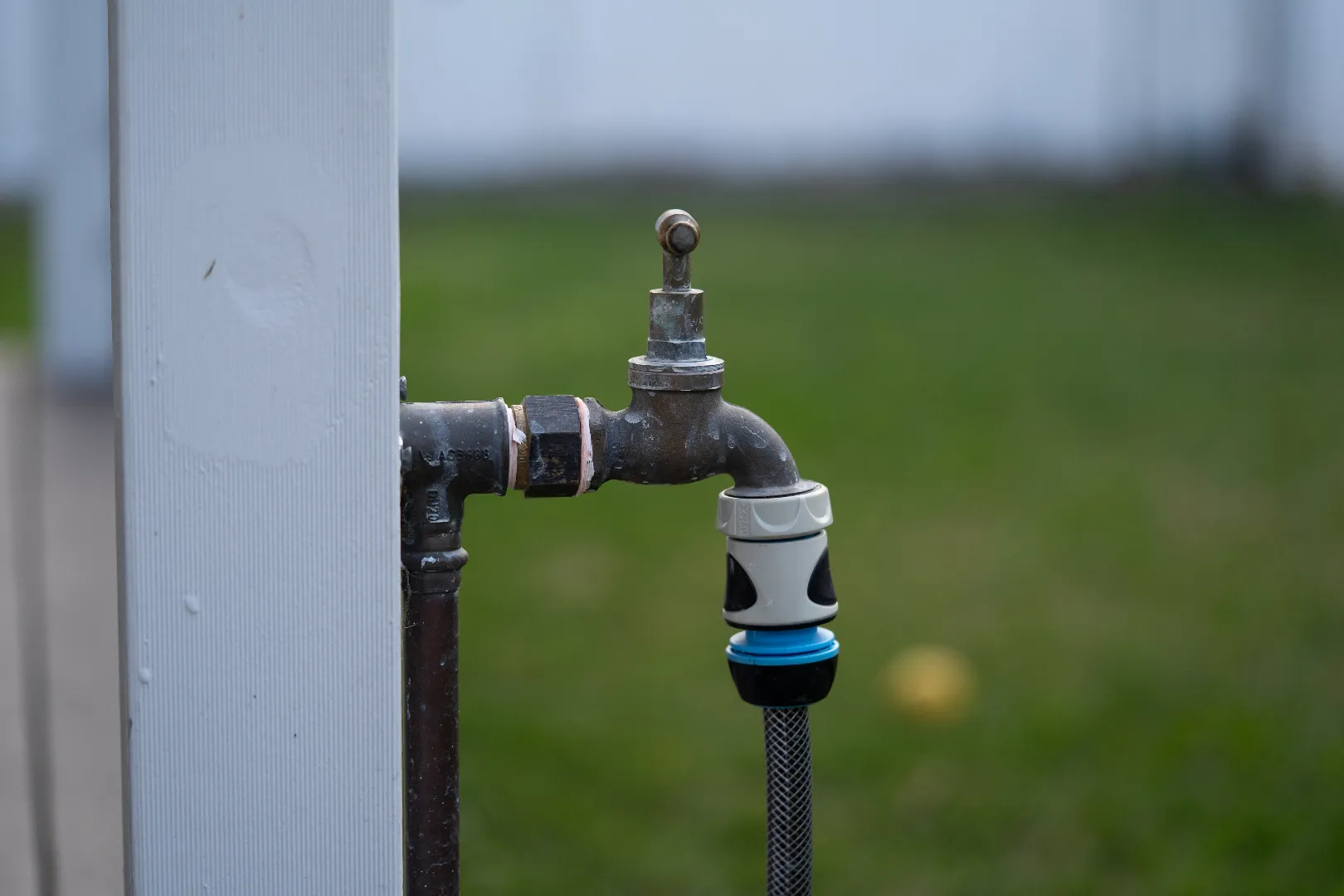
The humble outdoor hose bib, also called a hose spigot or exterior faucet, is the most-used and most-neglected piece of outdoor plumbing on most Toronto properties. Frost-free hose bibs, the standard type in modern Toronto construction, extend a valve 30–40cm back into the heated wall cavity so that water drains from the pipe when the tap is shut off, preventing freezes. But even frost-free models fail, particularly in older homes.
Hose bib inspection checklist:
- Check for drips at the spout: A dripping hose bib wastes significant water over a season and indicates a worn washer or O-ring. These are inexpensive repairs but should be addressed promptly.
- Check for leaks at the packing nut (behind the handle): Water seeping around the handle area indicates a failing packing washer. Left unaddressed, this leak can run water back into the wall cavity.
- Test the full shutoff: Turn the hose bib fully off and confirm it stops completely. A tap that seeps even when fully closed has a worn seat washer and will worsen over the season.
- Inspect the frost-free stem: Frost-free bibs have a long stem that should extend into the heated wall. If yours has been replaced with a standard bib at any point, it won't drain properly in fall. A plumber should upgrade it to a frost-free model.
- Check the surrounding exterior wall area: Water staining, soft wood, mould, or paint peeling near the hose bib can indicate a slow leak behind the fitting, seeping into the wall framing.
Most hose bib repairs are quick jobs for a licensed Toronto plumber, typically $150–$250 including parts. Don't ignore a dripping outdoor faucet all summer; by fall, that small drip can become a broken fitting or a frozen-shut valve.
Garden Irrigation System Inspection
In-ground irrigation systems are common throughout Toronto's newer suburbs in North York, Scarborough, Etobicoke, and across the 905 belt. These systems see heavy use in summer, making it essential to check them thoroughly after winter shutdown and before peak watering season.
- Inspect each zone: Run each irrigation zone separately and walk the area, looking for spray heads that aren't rotating, broken pop-up heads, or heads spraying incorrectly. A stuck or broken spray head can flood a single area while leaving others dry.
- Check for underground leaks: Unusually lush or wet patches of lawn, particularly along the irrigation line path, may indicate a leak underground. Similarly, areas where the system is running normally but turf is noticeably drier may suggest a line break reducing pressure to downstream heads.
- Inspect the backflow preventer: Ontario requires irrigation systems to have a backflow preventer installed to protect the drinking water supply. Inspect this device, typically located near where the system connects to the main water supply, for leaks, corrosion, or damage. Have it tested annually by a certified backflow tester.
- Check system pressure: If spray distance has noticeably decreased from previous years, reduced pressure may indicate a partially blocked filter, a failing pressure regulator, or a leak somewhere in the system.
- Winterization planning: Even in August, confirm you have a plan for fall blowout. Book your irrigation winterization appointment early, as Toronto plumbers fill up quickly in October.
Exterior Drain and Eavestrough Inspection
Your home's exterior drainage system, including eavestrough (gutters), downspouts, and perimeter drainage, is the first line of defence against foundation water problems. Summer is the ideal time to clean and inspect these components, particularly after spring's heavy rainfall and debris accumulation.
- Clean eavestroughs thoroughly: Remove all leaves, debris, and seed pods (Toronto's maple trees are notorious for filling gutters in summer). Clogged eavestroughs overflow in rainstorms, spilling water directly against foundation walls and into window wells.
- Inspect eavestrough pitch: Water should flow toward downspouts, not pool. Standing water in the eavestrough indicates improper pitch, which needs to be corrected before fall's heavy rain season.
- Check downspout discharge: Downspouts should discharge water at least 1.8 metres (6 feet) from the foundation. If water is discharging against the foundation or pooling near the house, add downspout extensions or splash pads. Check that downspouts aren't still connected to the sanitary sewer. Toronto has been requiring disconnection for years, and many older homes are still connected.
- Inspect window well drains: Below-grade window wells should have a functioning drain at the bottom. Clear any debris, and pour water into the well to confirm the drain flows freely. A clogged window well drain leads directly to basement flooding during heavy rain.
- Check grading around the foundation: The ground immediately surrounding your home should slope away at a minimum grade of 1 inch per foot for the first 6 feet. Settled soil that now slopes toward the foundation acts as a funnel during rain events.
Backyard Plumbing Prep for Pools and Hot Tubs
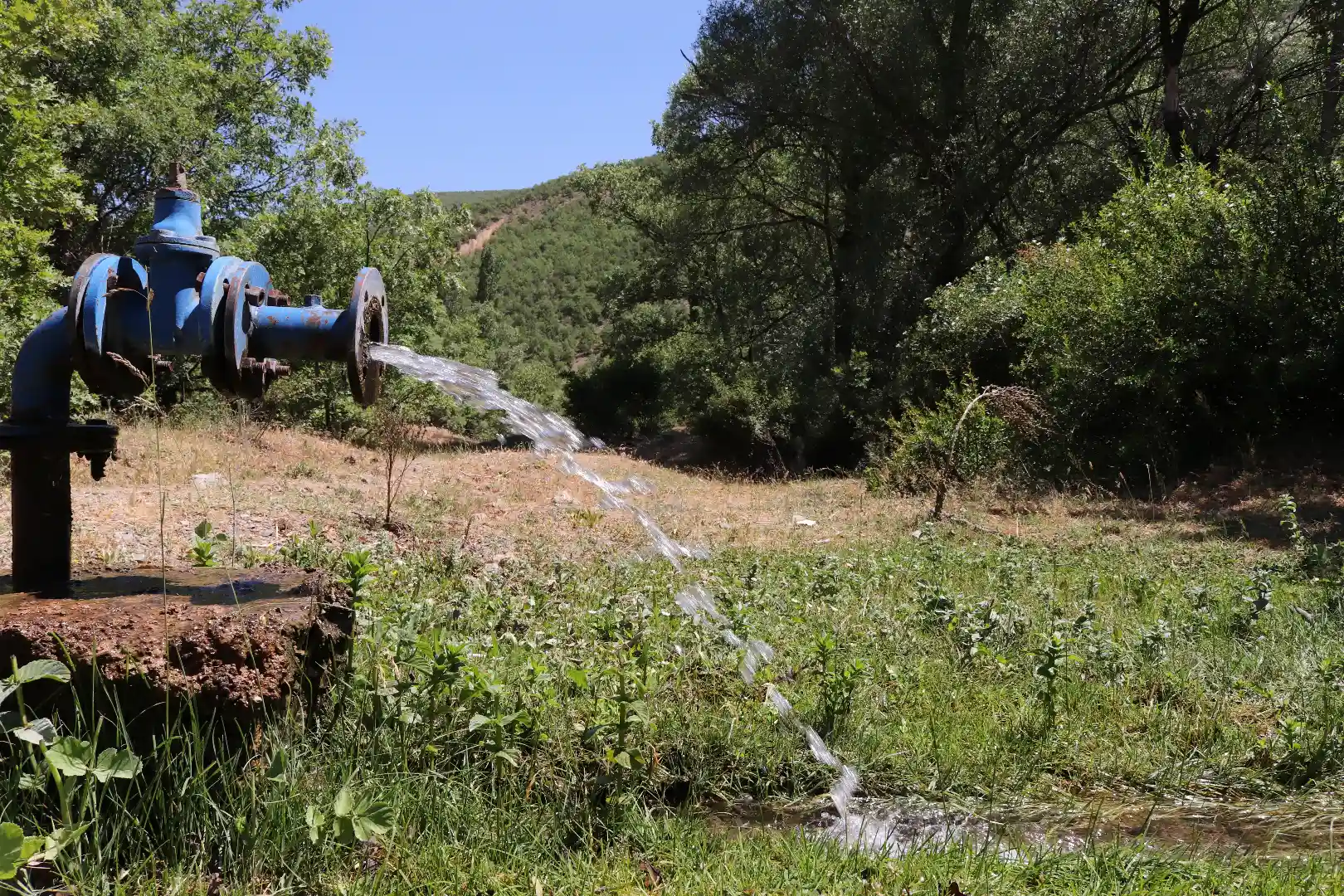
Toronto's short but intense summer makes pools and hot tubs valuable investments, and both place real demands on outdoor plumbing systems. Whether you opened your pool in May or you're well into swim season in August, mid-summer is a good time to assess how pool and hot tub plumbing is performing.
- Inspect pool plumbing connections: Check around pump, filter, and heater connections for evidence of dripping or seepage. Pool chemistry is hard on fittings and gaskets, and even minor leaks accelerate chemical loss and water consumption.
- Check the pool's main drain area: If water loss seems faster than evaporation can account for, the main drain gasket may be leaking. Pool water loss of more than 6mm per day in summer suggests a leak that should be investigated.
- Hot tub plumbing inspection: Run all jets and inspect the access panel area for dripping. Hot tub jet fittings and heating connections are common leak points. A hot tub losing water faster than normal evaporation often has a fitting leak inside the cabinet.
- Confirm proper backflow protection: Pool fill lines connected to the home's water supply must have backflow prevention. Confirm this is in place and undamaged. If pool water ever back-siphons into the drinking water supply, it's a serious health hazard.
Checking Your Home's Main Water Shutoff Valve
This is a task almost every Toronto homeowner ignores, until there's a burst pipe and no one can find or operate the shutoff. Summer is the perfect time to locate, test, and label your main water shutoff valve, and to confirm it operates properly.
The main shutoff for most Toronto homes is located in the basement, typically near where the water service line enters the foundation from the street. In some homes it's near the water meter; in others it may be in a utility room or mechanical space.
- Locate and label the valve: Ensure every adult in the household knows where it is. A simple label or spray paint marker means the difference between a quick shutoff and a panicked search during an emergency.
- Test the operation: Turn the valve fully off (clockwise) and confirm that all water in the home stops. Then turn it back on fully. Gate-style valves (older, wheel-handle type) that haven't been operated in years can seize. If you feel significant resistance, do not force it. Have a plumber service or replace it with a modern ball valve.
- Know the city curb stop location: If your interior shutoff fails, the curb stop, the secondary shutoff at the city water main connection usually near the property line, can be operated with a special key tool. Locate it on your property so you know where it is.
Inspecting Foundation Drainage and Window Well Drains
Foundation drainage issues that develop gradually are often most visible during Toronto's summer storms. Watching how water behaves around your home during a heavy rain event tells you more than any dry-weather inspection.
Watch for these warning signs during summer rainstorms:
- Water pooling against the foundation for more than 30 minutes after rain stops
- Window wells filling with water (should drain within minutes)
- Water flowing toward the house rather than away from it
- Soil erosion under or near downspout discharge points
- Water staining on the foundation wall or seeping through cracks after rain
If you observe any of these signs, contact a licensed plumber or waterproofing specialist for an assessment before fall arrives. Addressing drainage grading, extending downspouts, and clearing drain tile blockages in summer is far less expensive than dealing with basement flooding in fall and a frozen problem in winter.
Summer Water Conservation Tips for GTA Homeowners
Toronto's tiered water billing structure means efficient outdoor water use directly reduces your bill. Summer outdoor watering is the largest single variable in most Toronto households' annual water consumption. A licensed plumber Toronto homeowners book for outdoor plumbing Toronto inspections can identify leaks, pressure problems, and winterization needs all in one visit, typically for $150–$250.
- Water early in the morning: Watering between 5 and 9 a.m. reduces evaporation loss by up to 30% compared to midday watering in Toronto's summer heat.
- Install a rain sensor: Irrigation rain sensors prevent your system from running during or immediately after rain. Toronto gets meaningful summer rainfall, and running irrigation after rain is pure waste.
- Fix all outdoor drips immediately: A dripping hose bib, a leaking irrigation fitting, or a weeping pool connection can waste tens of thousands of litres over a summer season.
- Use a nozzle on garden hoses: An open hose without a nozzle flows 15–20 litres per minute. A quality adjustable nozzle lets you match flow to the task, saving significant water during hand watering.
- Consider a rain barrel: Toronto provides rain barrel rebates through its water efficiency programs. Collected rainwater is ideal for garden watering and reduces treated water consumption.
Preparing Your Outdoor Plumbing for Fall and Winter
Even in August, it's worth planning ahead for the fall plumbing winterization tasks that protect Toronto homes from freeze damage. Creating a winterization checklist now, while everything is accessible and working, avoids the October scramble.
- Hose bib shutoff and drain: Every outdoor hose bib connected to a supply line with an interior shutoff valve should be shut off from inside and drained before the first hard frost (typically late October in Toronto). Mark the location of each interior shutoff valve now.
- Irrigation blowout appointment: Book your irrigation system winterization blowout for early October. Compressed air must be blown through each zone to remove all water before freeze. Book early, as licensed irrigators in the GTA fill up fast.
- Pool closing plan: Pool plumbing must be properly blown out and winterized before freeze. Water left in plumbing lines expands when frozen and cracks fittings, return lines, and filter housings.
- Disconnect and drain garden hoses: Leaving a hose connected to even a frost-free hose bib can trap water in the bib, defeating the frost-free design and leading to freeze damage inside the wall.
Signs You Need a Plumber for Outdoor Plumbing Issues
Some outdoor plumbing issues are legitimate DIY territory, such as reconnecting a hose, adjusting a spray head, or cleaning a drain screen. Others require a licensed Toronto plumber. Call a professional when you see:
- A hose bib that drips even when fully closed or leaks at the wall penetration
- Low water pressure throughout all outdoor fixtures simultaneously (may indicate a main line issue)
- Wet spots on lawn with no surface explanation (possible underground pipe leak)
- Backflow preventer showing visible corrosion, leaking, or that fails its annual test
- Any situation requiring the main water supply to be shut off and the work replumbed
- Irrigation connections to the main water supply that don't have verified backflow protection
- Any outdoor gas line connections (barbecue gas lines, pool heaters, outdoor fireplaces) that show corrosion, damage, or suspected leaks
Frequently Asked Questions
When should I turn off my outdoor hose bib for winter?
In Toronto, shut off outdoor hose bibs before the first sustained frost, which typically occurs in late October. Don't wait until the ground freezes, as by then the exposed components may already be at risk. Shut off the interior supply valve, open the outdoor tap fully to drain any remaining water, then close the exterior tap. Detach and store your garden hose indoors. Even frost-free bibs need this process if the interior valve exists.
How do I fix a leaking hose bib?
Minor hose bib leaks, such as a drip from the spout or weeping from the packing nut, are often repairable by tightening the packing nut a quarter turn or replacing the internal washer. Turn off the water supply first, either at the dedicated interior shutoff or the main. However, if the hose bib body is corroded, if the stem is frozen or seized, or if the leak is at the wall connection, call a licensed Toronto plumber. Forcing a corroded fitting often makes the problem significantly worse.
What causes low water pressure in garden hoses?
Low pressure in a single garden hose is usually the hose bib itself, whether a partially closed valve, mineral buildup in the aerator screen, or a kinked hose. Low pressure at all outdoor fixtures simultaneously suggests a wider issue: a failing pressure regulator, a partially closed main shutoff, sediment in the supply line, or a supply line leak. If pressure has dropped noticeably across your whole property, have a licensed Toronto plumber assess the water service line and pressure regulator.
Can tree roots damage my outdoor water lines?
Yes. Toronto's clay soil and massive urban tree canopy create ideal conditions for root intrusion into underground water and drain lines. While roots more commonly attack drain and sewer lines (they're attracted to water and nutrients), they can also penetrate older water supply lines through joint gaps and cracks. Signs include unexplained wet spots in the lawn, loss of water pressure, and high water bills despite no visible leaks. Underground camera inspection and pressure testing can confirm root damage.
How much does outdoor plumbing repair cost in Toronto?
Hose bib repair or replacement typically costs $150–$300 including parts and labour. Irrigation system repairs range from $100–$500 depending on whether the issue is a simple head replacement or a broken underground line. Outdoor water line repair with minor excavation runs $500–$1,500 for accessible sections. Major underground supply line replacement can reach $3,000–$8,000 depending on length and depth. Always get a written quote from a licensed plumber before authorizing work.
Still Have a Plumbing Maintenance Problem in Toronto & GTA?
Describe your plumbing maintenance issue below and a licensed Toronto & GTA plumber will call you back in under 15 minutes. No answering service, no voicemail.
- Licensed & Insured Master Plumbers
- 60-Minute Emergency Response in Toronto & GTA
- Real Plumber Answers, No Answering Service
- Upfront Pricing Before Any Work Begins
- 24/7 Service, 365 Days a Year Including Holidays
Limited Same-Day Spots Available Today
Our dispatch fills quickly. Submit now to secure your slot.
Get a Free Quote in 15 Minutes
Takes 30 seconds to fill out. We'll do the rest.