Pipe Repair vs. Replacement in Toronto: A Plumber's Guide
When a pipe fails in your Toronto home, the first question you face is whether pipe repair or pipe replacement is the appropriate response. Get it wrong in one direction and you spend thousands on a full replacement that wasn't necessary. Get it wrong in the other direction and you spend hundreds on a repair that lasts two years before the next section fails. This guide explains exactly how licensed Toronto plumbers approach this decision, and how you can understand the factors well enough to have an informed conversation before anyone touches your pipes.
The Core Question: Is This Isolated or a System-Wide Problem?
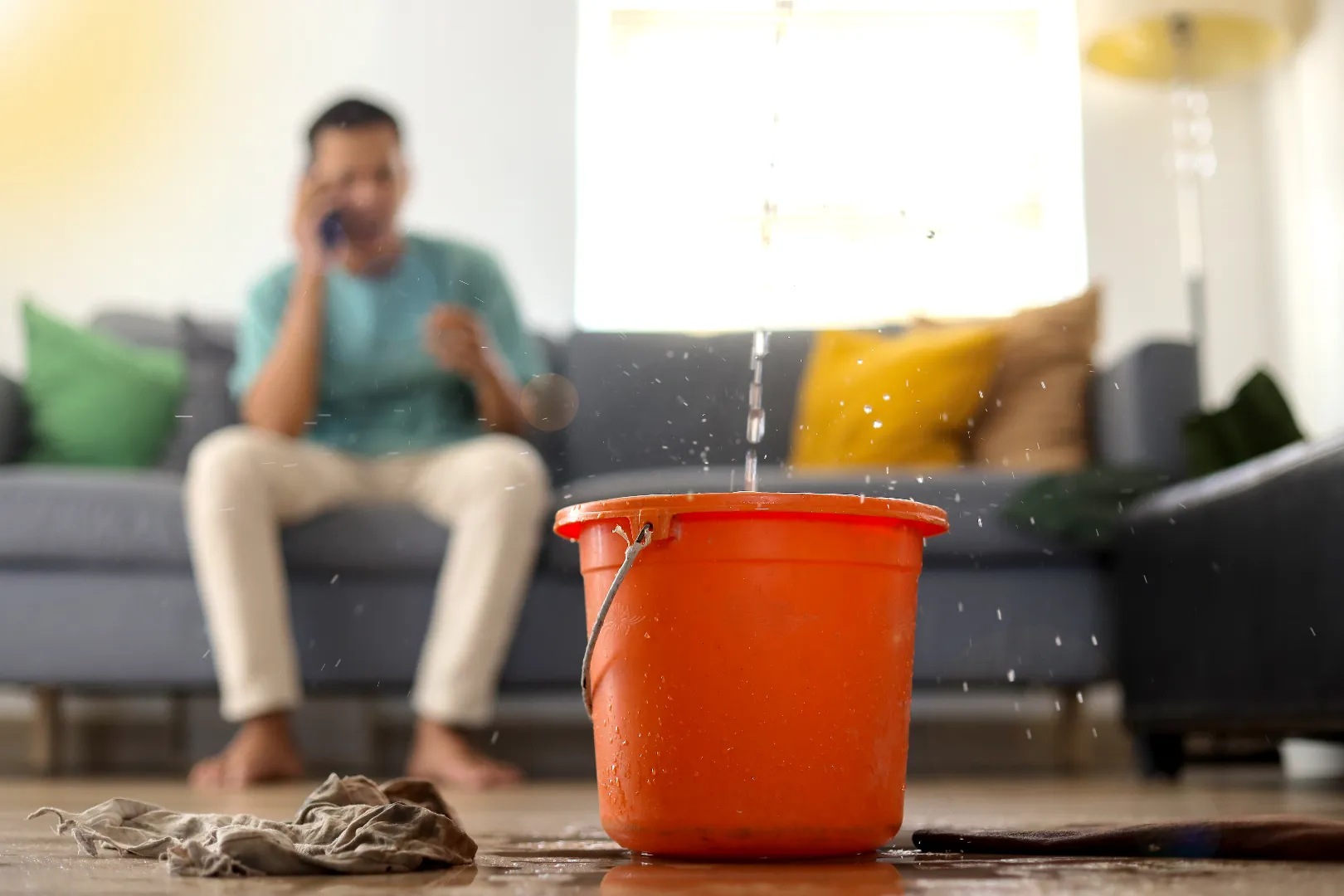
The central question that guides every pipe repair Toronto plumber faces versus replacement decision is whether the problem is isolated and specific or systemic and spreading. An isolated problem, such as a single joint that failed or one corroded section in an otherwise healthy line, justifies targeted pipe repair. A systemic problem, such as corrosion progressing through an entire pipe material, widespread joint failures, or a pipe type that has simply reached the end of its service life, justifies pipe replacement Toronto-wide. Getting this call right can save you thousands.
This distinction matters enormously for cost management. Repairing one section of a pipe system that is experiencing widespread deterioration is like replacing one rotten board in a deck that needs complete reconstruction. You'll be back paying for the next repair, and the one after that, until you've spent more money on piecemeal repairs than a single replacement would have cost. Conversely, recommending full replacement when a targeted repair would provide another decade of reliable service is unnecessary spending.
A skilled plumber makes this assessment through systematic inspection, not just looking at the point of visible failure, but evaluating the condition of the connected pipe system. Water pressure tests, visual inspection of accessible pipe runs, and camera inspection of drain lines all contribute to this assessment. If your plumber recommends full replacement based solely on one visible leak without inspecting the broader pipe condition, get a second opinion. Water line issues in particular require a full system assessment before any repair-versus-replace decision.
Types of Pipes Found in Toronto Homes and Their Lifespan
Toronto's housing stock spans over a century, and the pipes inside those homes reflect the materials that were standard at the time of construction. Understanding what you have, and how old it likely is, is fundamental to the repair-versus-replace decision:
- Galvanized steel: 20–50 years. Common in Toronto homes built before approximately 1960. Galvanized steel pipes were coated with zinc to resist corrosion, but over decades the zinc depletes and the steel beneath begins to rust from the inside out. Corroded galvanized pipes produce discoloured (orange or brown) water, reduced water pressure as rust narrows the interior diameter, and frequent pinhole leaks. This material has passed its service life in virtually all Toronto applications, and when galvanized pipes begin failing, replacement (not repair) is almost always the right answer.
- Copper: 50–70+ years. The dominant water supply pipe material in Toronto homes built from the 1950s through the 1990s. Copper has an excellent service life and resists corrosion well under normal conditions. Copper pipes in good condition that experience a single point failure (a pinhole, a joint failure, or impact damage) are excellent candidates for spot repair. Widespread pinhole leaking across multiple locations, or copper that has turned green and brittle with extensive corrosion, suggests the system is reaching end of life.
- PVC/CPVC: 25–40 years. Common in drain lines and, in the case of CPVC, some supply lines. PVC is generally durable but can crack from physical impact, ground movement, or freeze events. Individual cracked sections can be repaired or replaced with new PVC. Age-related brittleness affecting multiple sections is a stronger indicator for replacement.
- PEX (cross-linked polyethylene): 25–40 years. The modern standard for water supply piping in new Toronto construction. PEX is flexible, freeze-resistant, and highly durable. It is rarely seen in homes more than 25 years old. If you have PEX, you likely have a relatively new system and repair is almost always appropriate unless the damage is extensive.
When Pipe Repair Is the Right Choice
Targeted pipe repair is the appropriate response when the following conditions apply:
- The failure is clearly isolated: a single joint, one section of pipe, or a specific fitting that has failed while the surrounding system is in good condition
- The overall pipe material is in good condition: copper with good colour and wall thickness, PVC that is not brittle or discoloured, PEX that shows no widespread damage
- The pipes are relatively new: a pipe system less than half its expected service life that suffers one failure is a strong repair candidate
- The failure was caused by a specific event: a freeze burst, impact damage during renovation work, or a single joint that was poorly installed originally
- You've had no prior failures on the same system: a first-time failure in an otherwise trouble-free pipe run points toward an isolated issue
Spot repairs on copper, PVC, and PEX pipe systems are straightforward for licensed plumbers and typically resolve the problem for years when the broader pipe condition is good.
When Pipe Replacement Is Necessary
Pipe replacement is indicated when the conditions suggest the problem is material-wide or systemic:
- Widespread corrosion across the pipe run: visible rust, pitting, or green corrosion on copper that extends far beyond the point of failure
- Recurring leaks in the same pipe system: if you've repaired the same pipe line two or more times within a few years, the system is failing progressively and replacement is more cost-effective than continued spot repairs
- Galvanized steel pipes that have begun failing: once galvanized steel starts producing discoloured water or pinhole leaks, the corrosion is typically system-wide and replacement is the only lasting solution
- Discoloured or low-pressure water from supply lines: rust-coloured water from multiple fixtures indicates widespread internal corrosion that cannot be repaired, only replaced
- You are undertaking a major renovation anyway: when walls and floors are open for a kitchen or bathroom renovation, the incremental cost of replacing old pipes while they're accessible is usually far less than addressing them separately later
- Lead pipes: any lead piping discovered in a Toronto home should be replaced immediately as a health priority, regardless of its condition
The Trenchless Pipe Repair Option for Toronto Homes
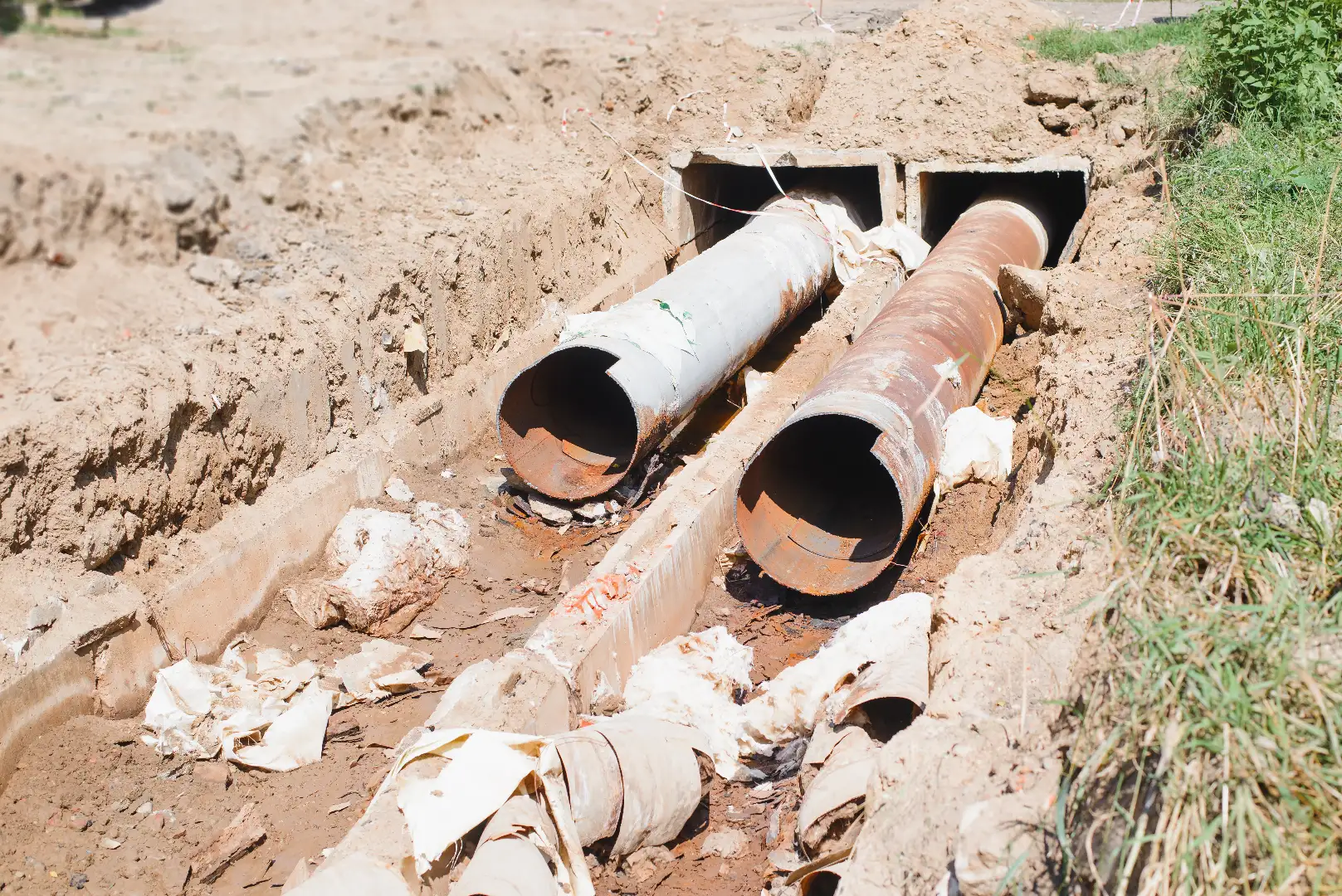
One increasingly popular option for Toronto homeowners facing pipe failure in drain and sewer lines is trenchless pipe repair, specifically cured-in-place pipe lining (CIPP). This technology allows plumbers to rehabilitate existing drain pipes from the inside without excavating your yard or breaking through your floors and walls.
The process involves inserting a flexible liner coated with epoxy resin into the existing damaged pipe, inflating it against the pipe walls, and curing it in place to create a new pipe within the old one. The result is a smooth, seamless new interior surface that effectively extends the drain line's service life by 25–50 years.
CIPP pipe lining is particularly well-suited for Toronto homes because:
- It works in the clay, cast iron, and older PVC sewer lines common in the GTA's housing stock
- It eliminates the significant excavation cost and landscape disruption of traditional trench-and-replace methods
- It can seal cracks, root intrusion damage, and joint gaps that would otherwise require physical replacement
- The cost is typically 30–50% less than open excavation replacement for buried drain lines
Not all situations qualify for trenchless repair. Severely collapsed pipe, extreme misalignment, or pipe that is too deteriorated to hold the liner may require conventional replacement. A camera inspection determines eligibility. When the sewer line itself is involved, sewer line repair specialists can evaluate whether trenchless methods are viable before any excavation is considered.

How a Toronto Plumber Decides: The Inspection Process
A thorough pipe assessment by a licensed Toronto plumber involves several diagnostic steps before any recommendation is made:
- Visual inspection of accessible pipe runs: The plumber inspects all visible piping in the mechanical room, basement, and crawlspace for corrosion, discoloration, mineral deposits, and signs of past leaks (staining, efflorescence, water marks).
- Water pressure testing: Low or uneven water pressure can indicate internal buildup in supply pipes, pointing toward deterioration rather than an isolated failure.
- Camera inspection for drain and sewer lines: A waterproof camera fed through the drain system provides direct visual evidence of pipe condition, including crack patterns, corrosion type, root intrusion extent, and overall remaining wall thickness.
- Water quality assessment: Discoloured water, metallic taste, or visible sediment in water indicates internal pipe corrosion — a strong replacement indicator.
- Age and history review: Knowing the approximate age of the plumbing system and any prior repair history helps contextualize current findings within the pipe's expected lifecycle.
The combination of these assessments typically produces a clear picture: isolated problem suitable for repair, or system-wide deterioration requiring replacement. When findings are borderline, a good plumber will present both options with honest cost-benefit analysis rather than defaulting to the more expensive recommendation.
Cost Comparison: Pipe Repair vs. Replacement in Toronto
Understanding realistic cost ranges helps Toronto homeowners evaluate quotes and make informed decisions:
- Single pipe repair (accessible location): $300–$1,000, including labour and standard materials. Costs increase if the repair location requires removing drywall or flooring.
- Section replacement (1–3 metres): $600–$2,500, widely variable based on pipe material, location, and access difficulty.
- Full repiping with copper: $8,000–$20,000. Copper remains the premium choice for longevity (50–70+ years) but commands a significant price premium over PEX.
- Full repiping with PEX: $4,000–$12,000. PEX is easier to install (flexible, requiring fewer fittings), with a service life of 25–40 years. Widely used in new Toronto construction.
- Trenchless drain line repair (CIPP lining): $3,000–$8,000, significantly less than the $10,000–$20,000+ that traditional excavation and replacement can cost in Toronto's urban environment.
Does Repiping Increase Home Value in Toronto?
Yes, pipe replacement Toronto homeowners invest in delivers a meaningful return in resale value and buyer confidence, particularly for older homes with original galvanized steel or aging copper piping. Homes in high-demand neighbourhoods like Leaside, the Beaches, and Riverdale see this impact most clearly, since buyers are making large purchasing decisions and scrutinize home inspection reports carefully. Here's how it plays out in the Toronto real estate market:
- Home inspectors flag aging pipes as a material concern. Galvanized steel is a frequent inspection finding that gives buyers leverage for price reductions or seller repair obligations.
- Buyers of older Toronto homes actively look for plumbing updates as a selling feature, knowing they won't face a $10,000+ repiping project in the first five years of ownership.
- Insurance considerations: Some insurers charge higher premiums or decline to insure homes with failing galvanized steel pipes. A repiping project can make a home insurable at standard rates.
- Full repiping typically recovers 50–70% of its cost in increased sale price in Toronto's market, while also eliminating the carrying risk of ongoing pipe failures during ownership.
For homeowners planning to sell within three to five years, discuss the repiping decision with your realtor alongside your plumber. In some cases, a price adjustment may be more economically rational than the full cost of repiping. In other cases, particularly with galvanized steel that is actively failing, repiping is the prerequisite for a smooth sale.
Working With Your Insurance Company on Pipe Damage in Ontario
Water damage from pipe failures is one of the most common home insurance claims in Ontario. Successfully navigating the claims process requires understanding how insurers view pipe failures:
- Sudden and accidental pipe failures (a burst pipe, an unexpected joint failure) are generally covered under standard home insurance policies for the resulting water damage. The pipe repair or replacement itself is typically not covered, only the damage caused by the water.
- Gradual deterioration is excluded: insurers expect homeowners to maintain their properties. A slow leak that developed over months, or a pipe that was clearly deteriorating and was not addressed, will likely be denied.
- Document the failure clearly when it occurs. Photographs, timing, and a professional plumber's assessment of the failure cause are essential for claims that face scrutiny.
- Discuss repiping with your insurer before scheduling the work. Some insurers offer premium reductions for homes that have been repiped, while others have specific requirements about the pipe materials they will insure.
A licensed plumber's written assessment of the failure cause is often the critical document in a successful insurance claim. Ensure you receive documentation from your plumber that clearly describes the nature of the failure and its cause. For sudden bursts or floods, emergency plumbing services in Toronto respond around the clock and can provide same-day failure documentation for insurance purposes.
Frequently Asked Questions
How do I know if my pipes need replacing?
Key warning signs that suggest pipe replacement over repair in Toronto homes: rust or orange-coloured water from multiple fixtures (indicating internal corrosion of supply pipes), recurring leaks in the same pipe run over the past few years, visible green or rust corrosion extending along pipe surfaces rather than at a single point, significantly reduced water pressure throughout the house, and pipes that are known to be galvanized steel in a home built before 1960. A licensed plumber's assessment, including a camera inspection for drain lines, provides a definitive diagnosis.
What are the most common pipes in Toronto homes?
Toronto's diverse housing stock contains multiple pipe generations. Pre-1960 homes typically have galvanized steel water supply pipes and cast iron drain lines, both approaching or past their service lives. Homes built from roughly 1950 to 1995 generally have copper water supply pipes, which remain serviceable in good condition. PVC and ABS drain lines are common in homes built from the 1970s onward. PEX is the standard in new construction and recent renovations and is increasingly chosen for repiping projects across the GTA.
How long does pipe replacement take in a Toronto home?
A targeted spot repair on an accessible pipe takes two to four hours. Replacing a defined section (say, one floor's worth of supply lines) typically takes one to two days. Full whole-house repiping in a Toronto home, replacing all water supply lines, usually takes three to five days for an average-sized house, depending on access difficulty, pipe material chosen, and the number of plumbers on the job. Some disruption to water service is inevitable; experienced crews minimize it by working in zones and restoring water supply to functional areas before completing others.
What is trenchless pipe repair and is it available in Toronto?
Trenchless pipe repair refers to methods of repairing or rehabilitating buried drain and sewer pipes without excavating a trench to access them. The most common method is cured-in-place pipe (CIPP) lining, where an epoxy-saturated liner is inserted into the existing pipe and cured in place to form a new interior surface. Pipe bursting, which involves pulling a new pipe through the old one, fracturing and displacing it, is another trenchless method suited for full replacement. Both methods are available from specialized Toronto plumbing contractors and represent a significant cost saving over open excavation in most urban situations.
How much does repiping a house cost in Toronto?
Full whole-house repiping in Toronto runs $4,000–$12,000 using PEX pipe and $8,000–$20,000 using copper, including all labour, materials, wall access and patching, and connection to fixtures. The wide range reflects home size, number of bathrooms and fixtures, accessibility of existing pipes, and whether significant demolition is required to reach pipe runs in finished walls. PEX is the more affordable choice with a service life of 25–40 years; copper costs more upfront but lasts 50–70+ years. Obtain written quotes from at least two licensed Toronto plumbers before committing to this scope of work.
Still Have a Pipe Repair Problem in Toronto & GTA?
Describe your pipe repair issue below and a licensed Toronto & GTA plumber will call you back in under 15 minutes. No answering service, no voicemail.
- Licensed & Insured Master Plumbers
- 60-Minute Emergency Response in Toronto & GTA
- Real Plumber Answers, No Answering Service
- Upfront Pricing Before Any Work Begins
- 24/7 Service, 365 Days a Year Including Holidays
Limited Same-Day Spots Available Today
Our dispatch fills quickly. Submit now to secure your slot.
Get a Free Quote in 15 Minutes
Takes 30 seconds to fill out. We'll do the rest.