7 Signs Your Water Heater Needs Replacement in Toronto
Water heater replacement in Toronto is one of those expenses homeowners dread, until a failed tank floods their basement at midnight and the bill doubles. Knowing the warning signs of a failing water heater before it reaches catastrophic failure can save you thousands of dollars and a genuinely miserable experience. This guide covers every signal your tank is trying to send you, plus honest cost numbers from licensed GTA plumbers.
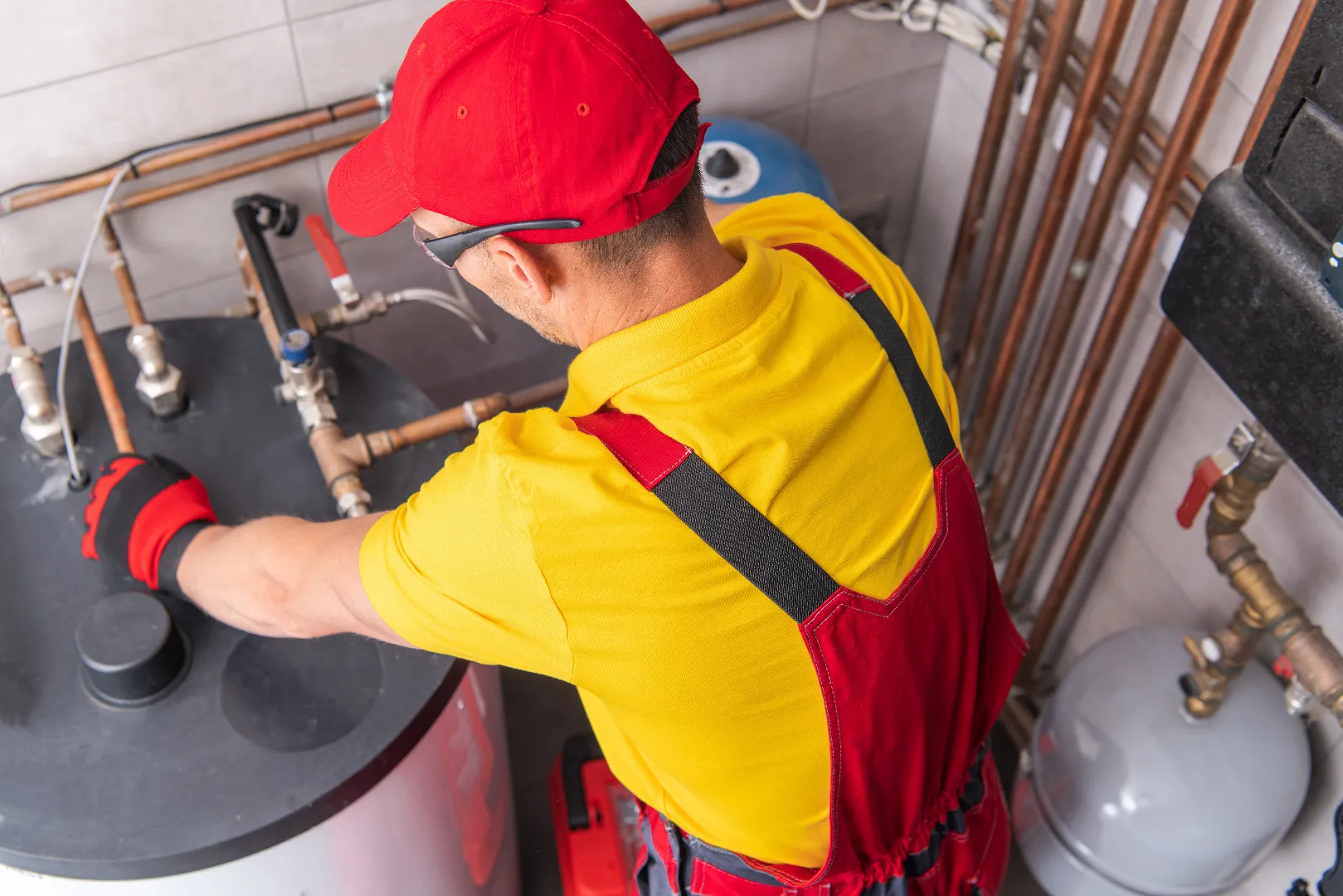
Water heater replacement Toronto homeowners plan proactively costs far less than emergency replacement after a midnight flood. The Greater Toronto Area's municipal water supply contains moderate mineral hardness, which accelerates sediment buildup and corrosion inside tank-style water heaters. Understanding the warning signs means you can schedule water heater installation Toronto on your timeline, working with a licensed plumber Toronto professionals trust, rather than facing a crisis at the worst possible moment.
How Long Do Water Heaters Last in Toronto?
The lifespan of a water heater depends significantly on the type and how well it has been maintained:
- Tank-style gas water heaters: 8 to 12 years with annual maintenance; less if the anode rod has never been replaced
- Tank-style electric water heaters: 10 to 15 years, generally outlasting gas models because they have fewer combustion components
- Tankless (on-demand) gas water heaters: 15 to 20 years with proper servicing
- Tankless electric water heaters: 15 to 20 years
- Heat pump water heaters: 10 to 15 years
Toronto's water hardness, typically 120 to 140 mg/L, sits in the moderately hard range. This means calcium and magnesium deposits accumulate inside your tank at a steady rate. Annual flushing can extend your tank's life significantly; a tank that has never been flushed may fail well before its expected lifespan.
Sign 1: Your Water Heater Is Over 10 Years Old
Age is the most reliable predictor of imminent water heater failure. If your tank-style unit is a decade old or more, it has entered the high-risk zone regardless of how it's performing day to day. The internal anode rod, a sacrificial magnesium or aluminum rod that prevents tank corrosion, typically depletes fully by year eight to ten. Once it's gone, the tank wall itself begins corroding from the inside.
To find your unit's age, look for the serial number on the rating plate. Most manufacturers encode the manufacture date in the first four digits: the first two letters or digits indicate the year and month. For example, a Bradford White serial starting with "H09" was manufactured in August 2009. A quick search for your brand's serial number decoder will confirm the exact age.
If your unit is over 10 years old, consult with a licensed Toronto plumber about proactive replacement. The cost of a planned replacement is considerably lower than an emergency replacement after a midnight flood.
Sign 2: Rusty or Discoloured Hot Water
Brown, orange, or reddish hot water coming from your taps is a serious warning sign. This discolouration indicates one of two things: either the tank interior is corroding and rust is entering your water supply, or the magnesium anode rod has been depleted and galvanic corrosion has begun on the steel tank walls.
Run the cold water tap separately. If it runs clear but your hot water is discoloured, the problem is definitively your water heater tank. If both hot and cold water are discoloured, the issue may be with your supply pipes or the city's water main in your street. Call Toronto Water at 311.
Rusty water from a water heater is not salvageable through repair. Once the interior tank wall is corroding, replacement is the only solution. Continuing to use a corroding tank risks eventual tank failure and flooding.
Sign 3: Strange Rumbling or Popping Noises
A properly functioning water heater should operate quietly. If you hear rumbling, popping, cracking, or banging sounds, especially during heating cycles, this is the sound of sediment buildup at work. Over years of use, calcium and mineral deposits from Toronto's moderately hard water settle and harden at the bottom of the tank. When the burner heats the water, it must force heat through this sediment layer, causing the characteristic rumbling and popping as trapped water percolates through the deposit.
Heavy sediment reduces efficiency significantly. Your burner runs longer to heat the same volume of water, driving up your gas or electricity bills. It also causes uneven heating that stresses the tank's steel shell, leading to micro-fractures and eventual leaks. A plumber can attempt a professional flush, but if the sediment layer is thick and the tank is older than eight years, replacement is usually the more economical long-term choice.
Sign 4: Water Pooling Around the Tank
Any moisture, puddles, or water staining around the base of your water heater demands immediate attention. Connected supply line leaks should also be inspected at the same time. This can indicate several different problems of varying severity:
- Condensation: Minor and normal in humid basements, particularly in summer. Water droplets on the outside of the tank only.
- Loose inlet/outlet connections: Repairable. A plumber can tighten or re-seal the connections.
- Pressure relief valve discharge: The T&P valve opens when pressure or temperature exceeds safe limits. This can indicate a valve problem or, more seriously, dangerous operating pressure. Requires immediate professional assessment.
- Tank seam or body corrosion leak: The tank is failing. This is not repairable. The tank must be replaced promptly before it fails completely and floods your home.
Never ignore water around your water heater. Even a minor drip can become a sudden catastrophic failure with hours' worth of water discharged onto your basement floor.
Sign 5: Running Out of Hot Water Faster Than Before
If your household's hot water habits haven't changed but you're running cold mid-shower, your water heater is losing capacity. This reduction in effective hot water volume is typically caused by one of three things: sediment displacement (the sediment layer physically reduces the usable water volume inside the tank), a failing heating element (electric heaters), or a deteriorating burner assembly (gas heaters).
A plumber can diagnose the exact cause. Heating element replacement in an electric heater is relatively affordable. But if the root cause is heavy sediment in an older tank, repair economics usually favour replacement, especially when you factor in the improved energy efficiency of a new unit.
Sign 6: Rising Energy Bills Without Explanation
Your water heater typically accounts for 15 to 20 percent of your home's total energy consumption. As sediment accumulates and components age, the unit works progressively harder to maintain your set temperature, consuming more gas or electricity in the process. If your utility bills are climbing but your usage patterns haven't changed, such as same household size, same thermostat settings, and same habits, a degrading water heater is a likely culprit.
Compare your current bills to the same billing period in previous years, adjusting for any rate changes from Enbridge Gas or Toronto Hydro. An increase of 15 percent or more in your hot water energy consumption, without a clear explanation, warrants a professional assessment of your unit.
Sign 7: Frequent Repairs and High Maintenance Costs
The rule of thumb among Toronto plumbers: if the cost of a repair exceeds 50 percent of the cost of a new unit, and the existing unit is more than seven years old, replacement is almost always the smarter financial decision. Water heater repairs are cumulative. Fixing one component often leads to another failure shortly after, because all the components in an aging unit are degrading simultaneously.
Keep a record of every repair and its cost. If you're spending $300 to $500 per year on maintenance and repairs for an aging tank, that money would be better directed toward a new, efficient unit that comes with a six to twelve year manufacturer warranty. While booking your replacement, it's also a good time to schedule drain cleaning for the utility area to clear any sediment that has washed into the floor drain.
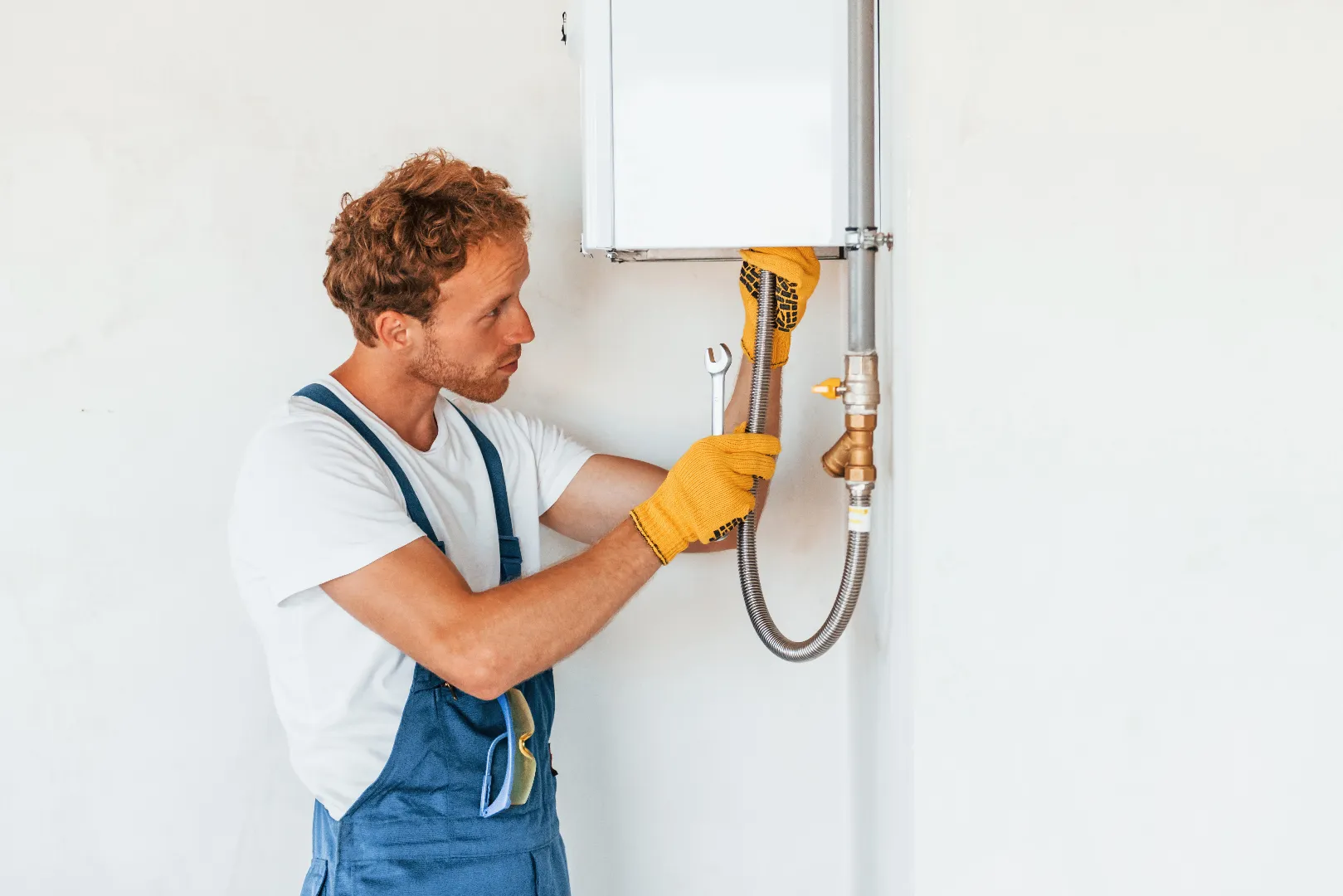
Repair vs. Replacement: The Toronto Plumber's Decision Framework
When your water heater shows signs of trouble, the decision between repair and replacement comes down to four factors: age, repair cost, failure type, and efficiency goals. Here is the framework licensed GTA plumbers use:
- Unit is under 6 years old + repair under $400: Repair almost always makes sense. The unit has significant remaining life and the repair cost is proportionate.
- Unit is 6 to 10 years old + repair under $300: Repair is reasonable, but start budgeting for replacement within 2 to 4 years.
- Unit is over 10 years old + any repair: Seriously consider replacement. You're extending the life of a unit in its final years at increasing cost.
- Tank body is leaking or corroded: Replace immediately. This is not repairable.
- Multiple component failures: Replace. The unit is in systemic decline.
A licensed water heater specialist in Toronto can assess your specific unit and give you an honest opinion based on its actual condition, not just its age.
How Much Does Water Heater Replacement Cost in Toronto?
Costs vary based on unit type, fuel source, installation complexity, and whether permits are required. Here are honest 2026 estimates for Toronto and the GTA:
- Standard 40-gallon gas tank water heater (supply + install): $1,200 to $1,800
- Standard 50-gallon gas tank water heater (supply + install): $1,400 to $2,200
- Electric tank water heater (supply + install): $1,000 to $1,600
- Tankless gas water heater (supply + install): $2,200 to $3,500
- Tankless electric water heater (supply + install): $1,800 to $3,000
- Heat pump water heater (supply + install): $2,500 to $4,500 (eligible for Canada Greener Homes rebates)
These prices include removal and disposal of the old unit, all required fittings and connections, and permit fees where applicable. Emergency same-day replacement may carry a premium of $150 to $300.
Tank vs. Tankless Water Heaters: Which Is Right for Toronto Homes?
This is the most common question Toronto homeowners ask when replacing a water heater. Here's an honest comparison:
Tank-style water heaters remain the most popular choice in Toronto for several practical reasons: lower upfront cost, simpler installation, compatibility with existing gas connections, and straightforward repair. The downside is standby heat loss, meaning you're paying to keep 40 to 60 gallons of water hot around the clock, whether you're using it or not. In a well-insulated modern tank, this is less of an issue, but it's never zero.
Tankless (on-demand) water heaters heat water only when a tap is opened, eliminating standby loss. They deliver unlimited hot water as long as demand doesn't exceed their flow rate capacity, typically 8 to 12 litres per minute for a residential unit. Upfront costs are higher, installation is more complex (often requiring a gas line upgrade to accommodate the high BTU demand), and they require annual descaling in Toronto's moderately hard water environment. The long-term energy savings are real, but payback periods are typically 7 to 10 years.
For most Toronto households with two to four occupants and a standard budget, a high-efficiency tank-style water heater is the most practical and cost-effective choice. For larger households, luxury homes, or homeowners planning to stay for 10+ years, tankless offers meaningful long-term value.
Frequently Asked Questions About Water Heater Replacement in Toronto
How long does a water heater last in Toronto?
Most tank-style gas water heaters in Toronto last 8 to 12 years with regular maintenance. Electric tank units typically reach 10 to 15 years. Tankless systems can last 15 to 20 years with annual servicing. Toronto's moderately hard water accelerates sediment buildup, which can shorten lifespan noticeably if the tank is never flushed. Annual maintenance by a licensed plumber is the single best way to extend your unit's life.
What's the cost of water heater replacement in Toronto?
A standard 40 to 50 gallon gas tank water heater, fully supplied, installed, and old unit removed, typically costs $1,200 to $2,200 in the GTA. Tankless gas systems range from $2,200 to $3,500 installed. Emergency same-day replacements may carry an additional premium. Always request a written quote that includes all parts, labour, and permit fees before approving work.
Is a tankless water heater worth it in Toronto?
For households with high hot water demand or homeowners planning to stay in their home for 10 or more years, tankless water heaters offer genuine long-term value: lower energy bills, longer lifespan, and virtually unlimited hot water. However, the higher upfront cost and complex installation mean the payback period is 7 to 10 years. For most average households, a high-efficiency tank system is the more practical choice.
Can I replace my water heater myself in Ontario?
In Ontario, water heater installation, particularly gas-fired units, requires a licensed gas technician and a plumbing permit in most municipalities, including Toronto. DIY installation of a gas water heater is illegal and dangerous. Electric water heaters fall under the Electrical Safety Authority's jurisdiction and also require permits. Improper installation voids manufacturer warranties and can invalidate your homeowner's insurance coverage.
What happens if my water heater bursts?
A ruptured water heater tank can discharge 40 to 60 gallons of water rapidly, causing significant basement flooding. Shut off the cold water supply line to the tank immediately (there's a dedicated shutoff valve directly above or behind the unit), then turn off the gas or electrical supply to the unit. Call an emergency plumber in Toronto immediately and contact your insurer to begin a claim.
Still Have a Water Heater Replacement Problem in Toronto & GTA?
Describe your water heater replacement issue below and a licensed Toronto & GTA plumber will call you back in under 15 minutes. No answering service, no voicemail.
- Licensed & Insured Master Plumbers
- 60-Minute Emergency Response in Toronto & GTA
- Real Plumber Answers, No Answering Service
- Upfront Pricing Before Any Work Begins
- 24/7 Service, 365 Days a Year Including Holidays
Limited Same-Day Spots Available Today
Our dispatch fills quickly. Submit now to secure your slot.
Get a Free Quote in 15 Minutes
Takes 30 seconds to fill out. We'll do the rest.