Water Heater Maintenance Tips to Extend Its Lifespan
Water heater maintenance in Toronto is one of the most neglected tasks in home ownership — and one of the most financially consequential. A new water heater costs $1,200 to $3,500 installed in the GTA. Extending that lifespan by five to seven years through simple maintenance saves thousands of dollars in deferred replacement costs. This guide covers every task a licensed Toronto plumber recommends, from the annual flush to the quarterly leak check, so your tank runs reliably on your schedule.
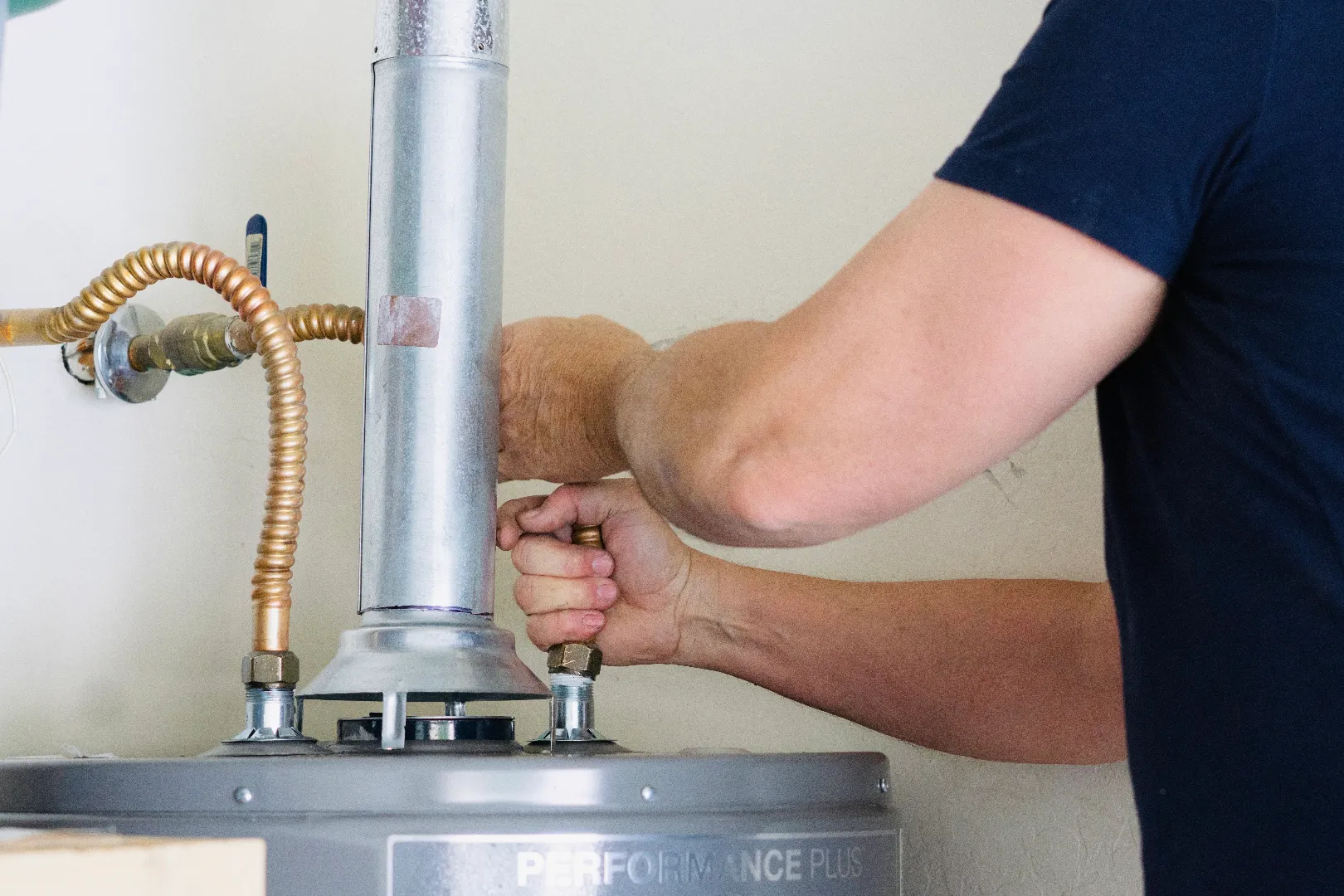
Why Water Heater Maintenance Is Especially Important in the GTA
Water heater Toronto service is more critical here than in most other Canadian cities. Toronto and the surrounding GTA receive water classified as moderately hard, with elevated levels of dissolved calcium and magnesium. While this water is safe to drink, it has a significant impact on water heating appliances. When hard water is heated, dissolved minerals precipitate out of solution and settle as chalky sediment on the bottom of the tank and on heating elements.
This sediment accumulation, sometimes called scale, creates several serious problems over time. It acts as an insulating layer between the burner or heating element and the water above it, forcing your water heater to work harder and consume more energy to reach the set temperature. It traps heat at the bottom of the tank, accelerating corrosion of the tank lining and reducing the tank's structural lifespan. And it progressively reduces the effective capacity of the tank as the sediment layer thickens.
In Toronto specifically, a water heater that is never flushed or maintained can accumulate 50–100mm of sediment over 10 years, dramatically reducing efficiency and lifespan. Proper maintenance counteracts these effects and keeps your unit operating near its original performance specifications. Homeowners dealing with persistent scale issues may also want to read our guide to water softener installation in the GTA, which addresses hard water at the source before it reaches your appliances.
Maintenance Tip 1: Flush the Tank Annually
Annual tank flushing is the single highest-impact maintenance task for Toronto water heaters. Flushing removes accumulated sediment before it hardens and becomes difficult to dislodge, and it gives you an opportunity to assess the water's colour and clarity as an indicator of tank health.
Step-by-step flush process:
- Turn the water heater to the "pilot" setting (gas) or switch the breaker off (electric): never flush with the heater running at full temperature
- Connect a standard garden hose to the drain valve at the bottom of the tank
- Run the hose to a floor drain, utility sink, or outside (hot water; be careful)
- Open a hot water tap somewhere in the house to prevent a vacuum forming
- Open the drain valve and allow the tank to drain completely
- Once empty, briefly open the cold water supply valve to stir up remaining sediment and flush it out; do this two or three times until the draining water runs clear
- Close the drain valve, remove the hose, close the hot water tap you opened, and refill the tank fully before restarting the heater
In Toronto's moderately hard water conditions, annual flushing is a minimum; some plumbers recommend flushing every six months for water heaters more than five years old or in homes with particularly hard water.
Why it matters for Toronto's hard water: Sediment from hard water hardens as it ages. A thin sediment layer flushed annually is easy to remove; a thick, calcified layer that has been accumulating for five or ten years is far more difficult and may require a plumber's intervention. Don't skip years.
Maintenance Tip 2: Test the TPR (Temperature/Pressure Relief) Valve
The temperature and pressure relief (TPR) valve is a critical safety device that releases water and pressure if the tank overheats or over-pressurizes. A failed TPR valve is a serious safety hazard. A water heater without a functioning pressure relief mechanism can, in extreme cases, rupture catastrophically.
Test your TPR valve annually by lifting the test lever for three seconds, then releasing it. You should see and hear water discharge through the relief pipe, then stop cleanly when you release the lever. If the valve drips continuously after the test, it is no longer sealing properly and must be replaced. If the lever won't lift or no water flows, the valve is stuck or failed and must be replaced immediately.
TPR valve replacement costs $150–$300 installed by a licensed plumber and should be performed by a professional: the valve must be matched to the tank's specifications and installed to code, with the relief pipe directed safely to a drain.
Maintenance Tip 3: Check and Replace the Anode Rod Every 3–5 Years
The anode rod is one of the most important — and least known — components of a tank water heater. This magnesium or aluminum rod hangs inside the tank and corrodes preferentially over the steel tank lining. It acts as a sacrificial element: the rod rusts so the tank doesn't.
As the anode rod corrodes, it depletes. Once it is fully consumed, the tank lining begins to corrode rapidly, dramatically shortening tank life. Checking the anode rod every three to five years and replacing it when it has depleted to the core wire is one of the most effective lifespan extension strategies available.
In Toronto's hard water conditions, anode rods deplete faster than in softer water regions. A rod that might last five years in soft water may need replacement at three years in the GTA. A plumber can inspect the rod during an annual service visit and advise on replacement timing. The rod itself costs $30–$80; installed by a plumber, the total is $150–$300. This investment can add years to your tank's life. Corrosion from a spent anode rod can spread to nearby supply pipe connections. Have those inspected at the same service visit.
Maintenance Tip 4: Set the Right Temperature
The recommended water heater temperature setting in Ontario is 49°C (120°F). This temperature balances several important considerations:
- Legionella prevention: Legionella bacteria that can cause Legionnaire's disease cannot survive at temperatures above 49°C. Temperatures below this increase the risk of bacterial growth in the tank.
- Scalding prevention: Water above 60°C can cause scalding injuries, particularly risks for children and elderly family members. 49°C is considered a safe upper limit for most households.
- Energy efficiency: Every 10°C reduction in water heater temperature reduces water heating energy consumption by approximately 3–5%. Setting your heater at 49°C rather than the factory-default 60°C saves meaningful energy costs over a year.
- Tank longevity: Higher operating temperatures accelerate mineral scaling and anode rod depletion. Operating at 49°C rather than 60°C measurably extends component life.
Check your water heater's temperature dial or digital display and adjust to 49°C if it's set higher. Many water heaters ship from the factory at 60°C and are never adjusted by homeowners.
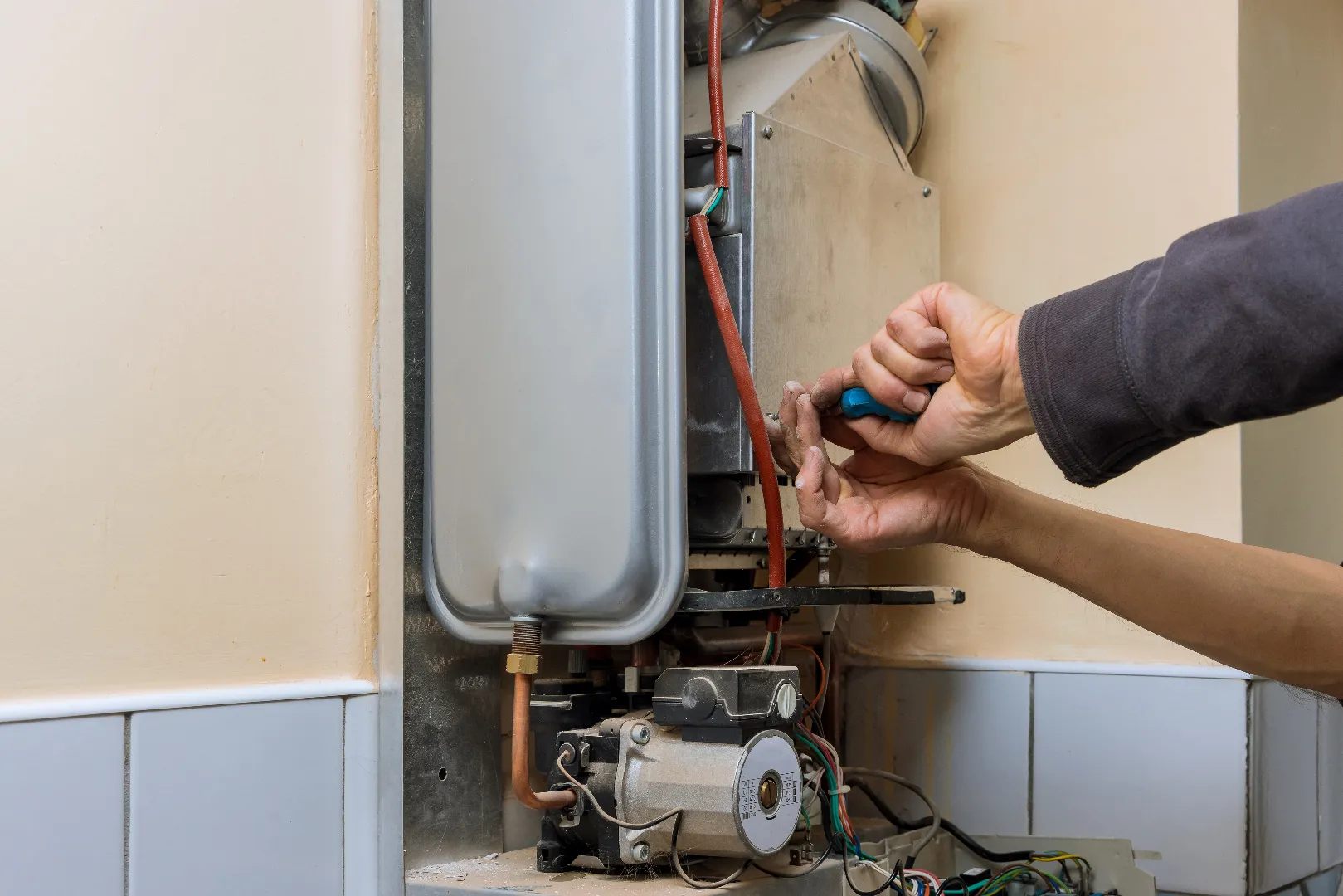
Maintenance Tip 5: Insulate Your Water Heater and Pipes
Heat loss from the water heater tank and from hot water pipes sitting in unheated spaces is a constant drain on your energy bills and a source of thermal stress on the tank. Insulation is a one-time investment that pays ongoing dividends:
- Water heater insulating blanket: Available at hardware stores for $20–$40, an insulating blanket wrapped around an older water heater can reduce standby heat loss by 25–45%. This is most beneficial for older tanks without modern foam insulation built in. Check your tank's manual before installing, as some modern high-efficiency tanks advise against added blankets.
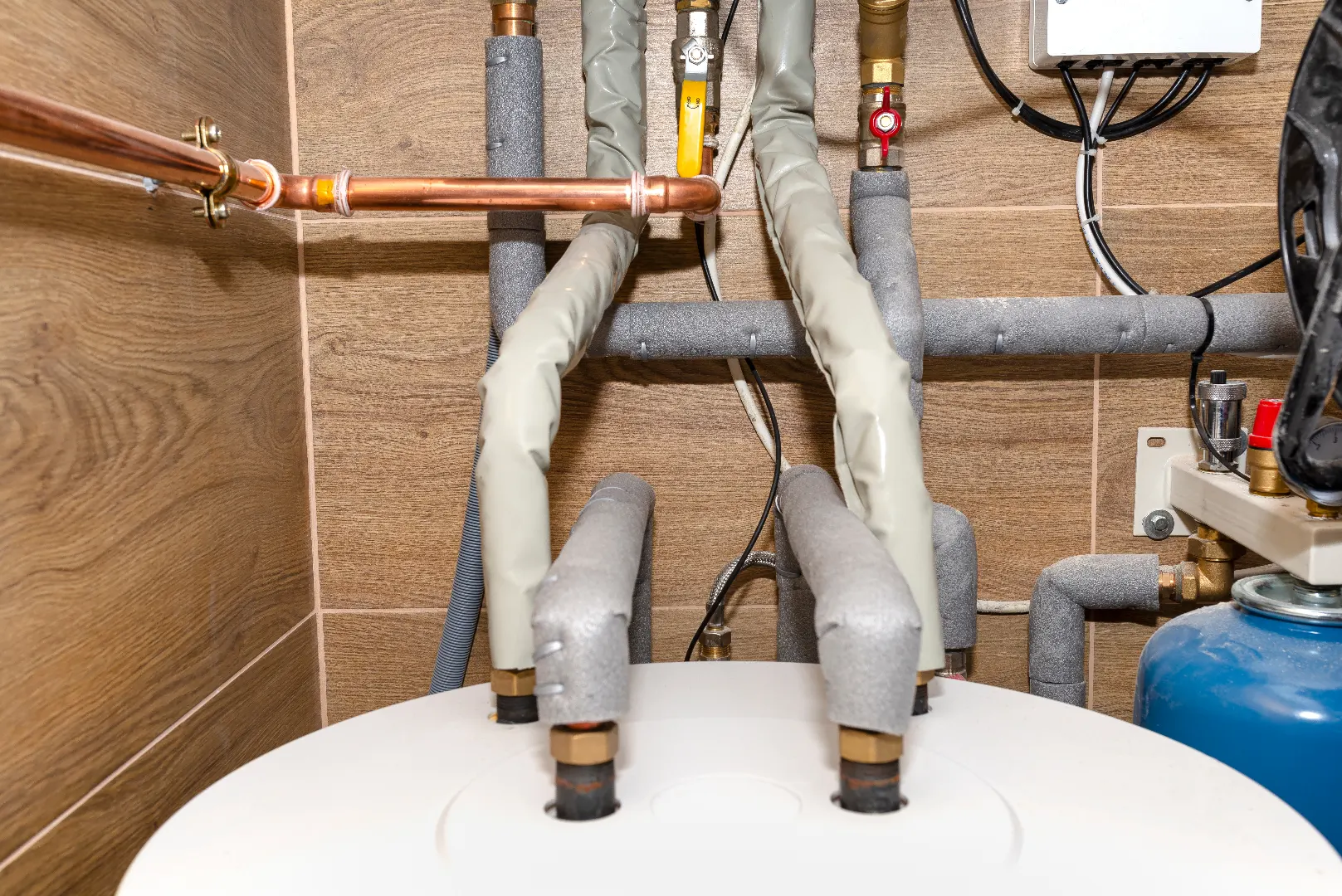
- Pipe insulation on hot water lines: Insulating the first 1–2 metres of the hot water outlet pipe and any hot water lines running through unheated spaces reduces heat loss, delivers hot water faster, and prevents the pipes from cooling between uses. Foam pipe insulation is inexpensive and simple to install.
- Cold water inlet pipe insulation: Insulating the cold water inlet pipe in unheated spaces prevents cold water from drawing additional heat from the tank in cold weather, reducing the heater's cycling frequency.
Maintenance Tip 6: Check for Leaks and Corrosion Quarterly
A brief quarterly visual inspection of your water heater catches developing problems before they become floods. Walk through this quick check every three months:
- Look for any moisture, water stains, or puddles around the base of the tank; even minor leaks indicate a developing issue
- Inspect all pipe connections and fittings visible at the top of the tank for drips, mineral deposits, or corrosion
- Check the TPR valve discharge pipe for any evidence of previous dripping (white mineral deposits on or around the pipe)
- Look for rust or corrosion on the exterior of the tank, particularly at the base and around fittings
- Note any changes in hot water performance: reduced hot water volume, longer wait times, or temperature fluctuations can all indicate developing internal problems
Catching a small fitting leak or early corrosion indicator during a quarterly check allows for a planned, non-urgent repair call. Discovering the same problem when the tank fails completely means an emergency plumbing call with associated premium pricing and potential water damage to your basement or mechanical room.
Maintenance Tip 7: Descale Your Tankless Water Heater Annually
If you have a tankless (on-demand) water heater rather than a traditional tank unit, annual descaling is the critical maintenance task. Tankless units heat water by passing it over heat exchanger coils; scale buildup on these coils reduces heat transfer efficiency and, left untreated, can cause the unit to overheat, trigger error codes, and fail prematurely.
Descaling a tankless water heater Toronto unit involves flushing a food-grade descaling solution (typically white vinegar or a commercial descaler) through the heat exchanger using a small submersible pump. Most manufacturers include descaling ports specifically for this purpose. The process takes 45–60 minutes and should be performed annually in Toronto's moderately hard water conditions.
While some homeowners perform this task themselves, many prefer to have a licensed plumber handle it as part of an annual service visit. The plumber can simultaneously inspect the burner assembly, check gas or electrical connections, verify ignition performance, and review error code history on modern digital units. Annual tankless water heater service in Toronto typically costs $150–$250. That's a fraction of the $1,800–$4,000 cost to replace a prematurely failed unit.
Maintenance Tip 8: Ensure Proper Venting for Gas Water Heaters
Gas water heaters rely on proper venting to exhaust combustion gases safely out of your home. Blocked, damaged, or improperly connected vent pipes are a carbon monoxide risk, one of the most serious safety hazards in residential settings.
Annual venting checks should include:
- Visual inspection of accessible vent pipe sections for corrosion, disconnected joints, or physical damage
- Confirmation that the vent pipe terminates properly at the exterior, with no obstruction (bird nests, insulation, debris) blocking the outlet
- A check that the draft hood at the top of the water heater is intact and properly connected
- Carbon monoxide detector function test: every home with a gas appliance should have a working CO detector, and the batteries should be tested annually
Venting issues should never be DIY repairs: any work on gas appliance venting must be performed by a licensed plumber in Toronto. If you smell gas, detect a carbon monoxide alarm, or notice sooting around the draft hood, leave the house and call both Enbridge Gas and an emergency plumber immediately.
When to Call a Toronto Plumber for Water Heater Maintenance
Some maintenance tasks are appropriate for capable homeowners; others require the tools, training, and licensing of a professional. Call a licensed Toronto plumber for water heater service when:
- The TPR valve test shows the valve is not seating properly or is flowing continuously after the test
- The drain valve is corroded or won't open for flushing (forcing it can break it and cause an uncontrolled release)
- You find any evidence of a leak from the tank body itself: this is a sign of internal corrosion and imminent tank failure
- Hot water smells like rotten eggs (sulfur odour): typically indicates a failing anode rod reacting with water bacteria
- The pilot light on a gas water heater won't stay lit, or the unit shows error codes on a digital display
- Your annual service is overdue and you want a comprehensive professional inspection including anode rod check, TPR valve test, sediment flush, and burner/element assessment
How Much Can Water Heater Maintenance Save You in Toronto?
The financial case for regular water heater maintenance in Toronto is compelling:
- Extended tank life: An unmaintained water heater in Toronto's hard water conditions may fail at 8–10 years. A properly maintained tank can reach 12–15 years. At $1,500–$2,500 for a new tank installed, that's three to five years of deferred capital expenditure.
- Reduced energy costs: Sediment-laden tanks can consume 20–30% more energy than clean tanks. On a $600/year water heating bill — a typical Toronto figure — that's $120–$180 in unnecessary annual waste.
- Avoided emergency service calls: A water heater that fails suddenly, particularly a tank that ruptures or floods, combines the cost of emergency replacement (premium pricing) with potential water damage remediation. Even a modest basement flood can cause $5,000–$20,000 in damage.
- Annual maintenance cost: A professional annual service visit including flush, TPR test, anode rod check, and visual inspection runs $150–$300 in Toronto. Against the potential savings described above, this is one of the highest-return maintenance investments available.
Frequently Asked Questions
How often should I service my water heater in Toronto?
Annual professional servicing is the recommended standard for Toronto water heaters, given the city's moderately hard water conditions that accelerate sediment buildup. A service visit should include a tank flush, TPR valve test, anode rod inspection, and visual check of all components. In addition, homeowners should perform a brief quarterly visual inspection for leaks and corrosion. Water heaters more than seven years old benefit from more frequent professional attention as they approach the end of their typical service life.
Can I flush my water heater myself?
Yes, an annual tank flush is a DIY-appropriate task for most homeowners. You'll need a garden hose, a floor drain or outdoor area for discharge, and basic familiarity with your water heater's controls. Turn the heater to pilot or off, connect the hose to the drain valve, open a hot water tap to prevent a vacuum, then drain and refill the tank. Important: if your drain valve hasn't been opened in many years, it may be calcified or corroded; forcing it can break the valve. If you have any doubt about the drain valve's condition, call a plumber rather than risk a much larger problem.
What is an anode rod and why does it matter?
An anode rod is a metal rod — typically magnesium or aluminum — suspended inside your water heater tank. It sacrificially corrodes so the tank's steel lining doesn't rust. As long as the rod has metal remaining, it attracts corrosion that would otherwise attack the tank walls. Once depleted, the tank begins corroding rapidly. Check and replace it every three to five years — more often in Toronto's hard water. Neglecting the anode rod is a leading cause of premature tank failure.
How do I know if my water heater needs servicing?
Warning signs that a service call is overdue include: rumbling, popping, or cracking sounds during heating cycles (sediment buildup); hot water that runs out faster than it used to (reduced capacity); rust-coloured or metallic-tasting hot water (tank corrosion); a sulfur or rotten-egg smell (failing anode rod); and visible moisture or rust around the tank base. Any of these symptoms warrant a plumber's inspection. So does going more than 12 months without professional service.
Is water heater maintenance covered by warranty?
Most water heater warranties, which typically run 6–12 years for residential tank units, require proof of proper maintenance to remain valid. Specifically, many manufacturers require annual flushing and periodic anode rod replacement as warranty conditions. Failure to maintain the unit can void coverage, meaning a tank failure in year eight may not be covered if maintenance records are absent. Keep documentation of service visits, including the date and what was performed. If a licensed plumber performs annual maintenance, ask for a service record each visit.
Still Have a Water Heater Repair Problem in Toronto & GTA?
Describe your water heater repair issue below and a licensed Toronto & GTA plumber will call you back in under 15 minutes. No answering service, no voicemail.
- Licensed & Insured Master Plumbers
- 60-Minute Emergency Response in Toronto & GTA
- Real Plumber Answers, No Answering Service
- Upfront Pricing Before Any Work Begins
- 24/7 Service, 365 Days a Year Including Holidays
Limited Same-Day Spots Available Today
Our dispatch fills quickly. Submit now to secure your slot.
Get a Free Quote in 15 Minutes
Takes 30 seconds to fill out. We'll do the rest.