Holiday Plumbing Tips for Toronto Homeowners
Holiday plumbing tips Toronto homeowners need most are the ones they haven't thought about yet, because nobody pictures a Christmas drain clog when they're planning a dinner party. But December and January are the busiest months of the year for Toronto emergency plumbers, driven by a predictable combination of heavy kitchen use, extra bathroom demand, cold snaps, and homes left unattended during family travel. A few simple precautions can keep your holiday season exactly what it's supposed to be.
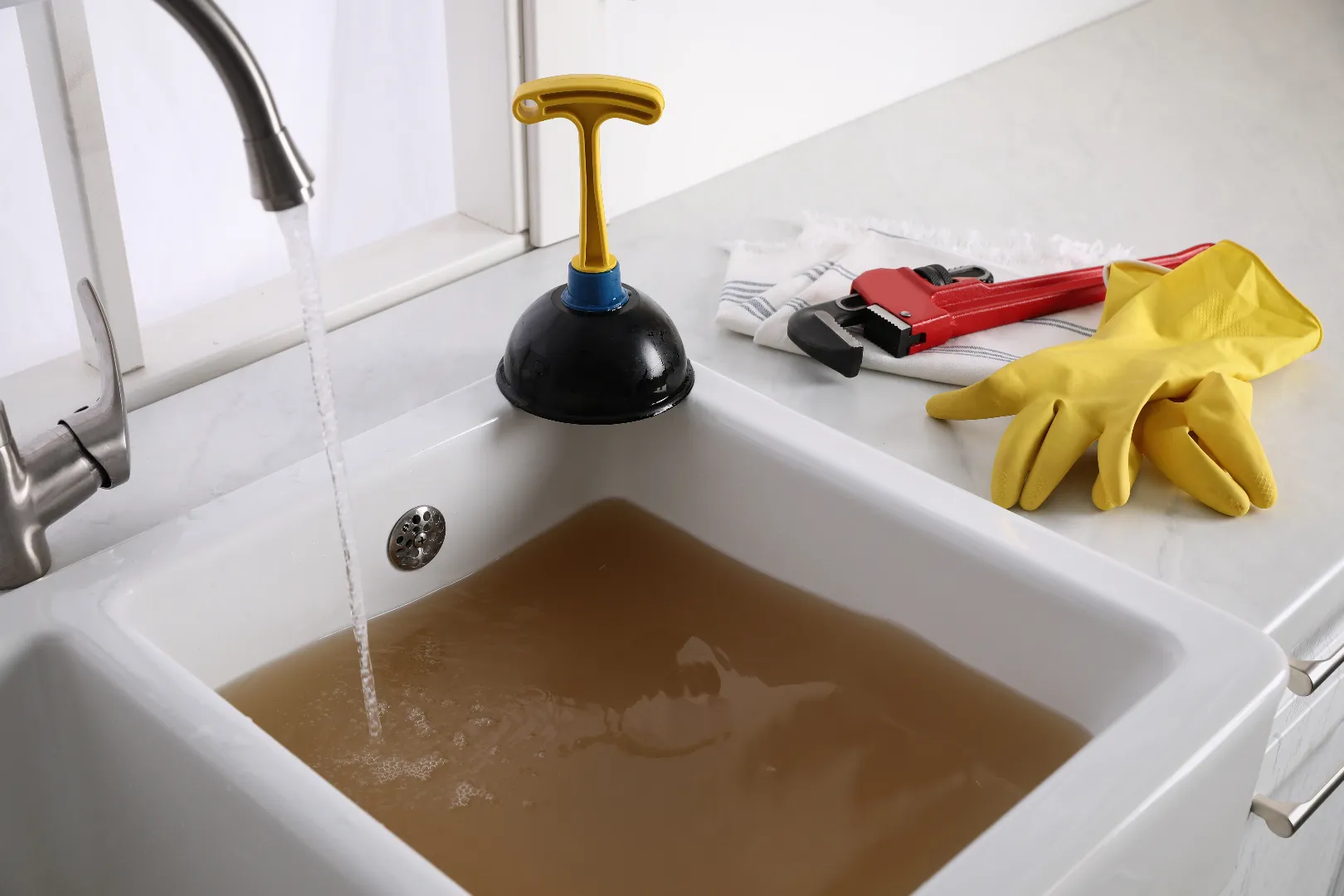
Emergency plumber Toronto calls spike by more than 40% in the two weeks surrounding Christmas, more than at almost any other time of year. Grease-clogged kitchen drains, overtaxed toilets from hosting guests, pipes that freeze while families travel south for the holidays, and water heaters struggling with peak demand are the predictable disasters that turn holiday memories into expensive headaches. Drain cleaning Toronto services book up fast in December, so acting early is essential. This guide covers every category of holiday plumbing risk with specific, actionable advice for Toronto homeowners.
Why the Holidays Are Peak Season for Toronto Plumbing Calls
The holiday plumbing surge in Toronto is driven by three converging factors that don't occur at any other time of year:
Dramatically increased kitchen use. The average Toronto household uses its kitchen sink and garburator far more intensively during holiday cooking than on a typical weekday. A single Christmas or Thanksgiving dinner can put more grease, starchy food waste, and food scraps through the drain system than a typical week of normal use. Drains that were functioning adequately under normal load often fail under holiday intensity.
Extra bathroom demand from guests. Hosting guests means toilets, showers, and sinks in use far more frequently than designed for your household's typical occupancy. Older homes with aging fixtures, toilets on the verge of needing repair, or drain lines with partial buildup are pushed past their threshold. The result is the overflowing toilet at 10 p.m. on Christmas Eve that ends the evening prematurely.
Homes left unattended in cold weather. Many Toronto families travel during the holidays to visit relatives or take winter vacations. When homes are left with the heat turned down or off during a cold snap, pipes freeze. A single frozen pipe in an unoccupied home can discharge tens of thousands of litres of water before anyone returns to discover the damage.
Kitchen Drain Tips for the Holiday Season
The kitchen drain is ground zero for holiday plumbing disasters. Here's how to protect yours:
Never put cooking oil or grease down the drain. This is the single most important rule of kitchen plumbing, and it's violated most often during holiday cooking. When you pour hot turkey drippings, bacon fat, butter, or any cooking oil down the drain, it flows as a liquid. But as it moves through your pipes and cools, it solidifies into a thick, sticky coating that narrows the drain line with each occurrence. One holiday season's worth of grease pouring can create enough buildup to cause a full blockage. Let all cooking fats cool in the pan and dispose of them in a sealed container in the garbage.
Use a drain strainer over kitchen sink drains. A simple mesh strainer catches food particles, rice, pasta, and vegetable scraps before they enter the drain. Empty it after each meal prep session. Even small food particles accumulate in the P-trap and drain line over time, combining with grease to form solid blockages.
Run cold water before, during, and after using your garburator. Cold water keeps fats and oils in solid form while they pass through the drain line, making them far less likely to coat the pipe interior. Run cold water for 30 seconds before grinding, keep it running throughout the grinding cycle, and continue for 30 to 60 seconds after you turn the garburator off.
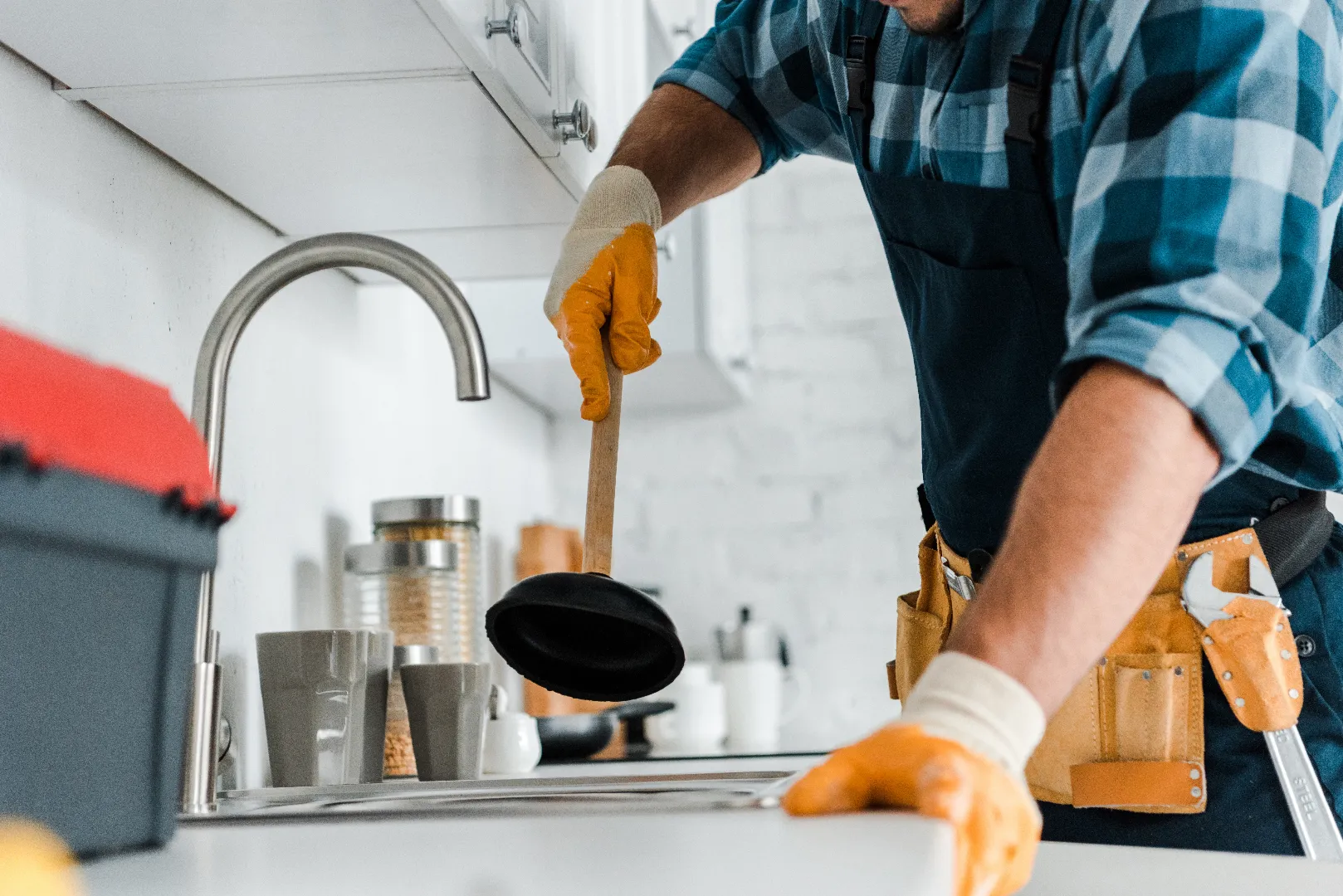
If you get a Christmas Day drain clog, try plunging with a cup plunger (not a flange plunger, which is designed for toilets). Fill the sink partway with water, place the plunger firmly over the drain, and pump vigorously 10 to 15 times. If this doesn't clear the clog within two attempts, do not pour chemical drain cleaner into the sink — chemical cleaners rarely solve solid grease blockages. Call an emergency drain cleaning service in Toronto instead.
Bathroom Plumbing Tips When Hosting Guests
When your home goes from two or four regular occupants to ten or fifteen people over the holidays, your bathroom plumbing infrastructure faces unusual demands. Here's how to prepare:
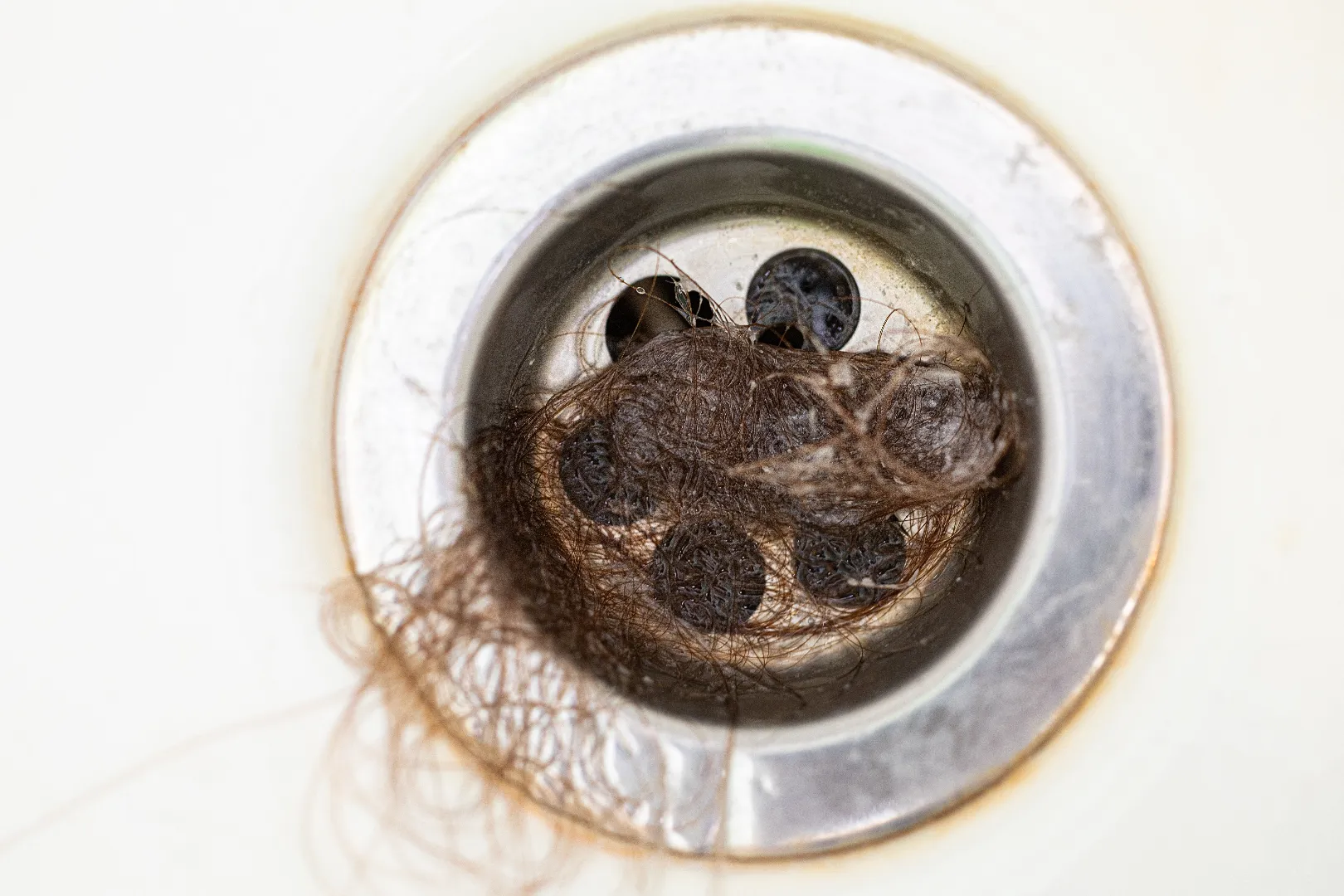
Before guests arrive, address any known slow drains. A bathroom sink or shower drain that drains a bit slowly normally will likely back up completely under heavy use. Buy a hair drain protector for each shower drain and install them before guests arrive. Clean all P-traps in bathroom sinks by unscrewing the curved pipe beneath the sink and removing the accumulated hair and soap scum buildup (wear gloves).
Place a small bin beside each toilet and communicate, gently, that only toilet paper should be flushed. Guests may use facial wipes, paper towels, or other items that they consider "flushable" but which are not, and these are a leading cause of toilet blockages in Canadian homes. Even wipes marketed as "flushable" do not disintegrate in the pipe system the way toilet paper does.
If you have a guest bathroom that's rarely used, run water through all fixtures before guests arrive to refill the P-traps and eliminate any sewer gas odour. Check that the toilet flushes fully and that the tank refills properly.
Garbage Disposal Safety During Holiday Cooking
Garburators are convenient but routinely abused during holiday cooking. Follow these firm rules for what should never go into a garburator, regardless of what you may have heard:
- Cooking oils and fats: these are drain line killers regardless of how hot the water is behind them
- Turkey bones, chicken bones, or any poultry carcass: garburator blades are not designed for hard bones and will dull or jam the motor
- Celery, asparagus, or other fibrous vegetables: the stringy fibres wrap around the grinding mechanism and can seize it
- Potato peels in large quantities: cooked potato starch creates a thick paste that coats the drain line like concrete
- Pasta, rice, or bread: these expand with water and create dense blockages in the P-trap
- Egg shells: the membrane wraps around grinding components and the ground shells create grit that accumulates in traps
- Coffee grounds in large quantities: small amounts are fine, but holiday volumes accumulate into dense blockages
If your garburator jams, turn it off immediately and use the hex key (usually taped to the unit or provided with it) in the manual reset socket on the bottom of the unit to manually free the grinding plate. Never put your hand inside a garburator.
Water Heater Demand During Holiday Gatherings
Your water heater is sized for your household's normal usage. When you add several houseguests taking morning showers in rapid succession, running multiple dishwasher loads, and doing holiday laundry, the demand can exceed your unit's recovery rate, especially if it's an older tank-style unit with accumulated sediment reducing its effective capacity.
A few practical steps for managing water heater demand over the holidays: space out showers by at least 10 minutes to allow partial recovery between uses. Run the dishwasher on the delayed start cycle overnight rather than immediately after dinner. If you have a tank-style water heater and haven't flushed it in several years, a pre-holiday flush can improve capacity noticeably by removing the sediment layer that displaces usable water volume.
If your water heater is over 10 years old and showing any of the warning signs discussed in our water heater replacement guide, the holidays are not the time to test your luck. A failing water heater is far more likely to give out under peak demand than during normal use. Schedule a pre-holiday water heater inspection in Toronto before the season begins.
Frozen Pipe Risk When Traveling for the Holidays
Toronto's December and January temperatures can reach -15°C to -25°C with wind chill. If you're leaving your home for an extended period over the holidays, frozen pipes are a genuine and serious risk. Every year, Toronto families return from holiday travel to find their home flooded from a burst pipe that froze while they were away.
Follow these steps before leaving your home unattended for more than 48 hours in winter:
- Set your thermostat to a minimum of 18°C before leaving. The energy cost is small; the protection is significant. Never lower the heat below 16°C during a Toronto winter absence.
- Shut off the main water supply valve if you're leaving for more than a week. Open a faucet on the lowest level to drain pressure. With the supply off, a frozen pipe may still crack, but it cannot flood your home.
- Ask a trusted neighbour to check on the home every two to three days. Give them the emergency contact number for your plumber and insurance provider.
- Install a Wi-Fi temperature monitor. These inexpensive devices send your phone an alert if the indoor temperature drops below a threshold you set, providing early warning that your heating system has failed.
- Don't forget the garage. If your home has an attached garage with plumbing, add pipe insulation to any garage supply lines and consider a small electric space heater with a thermostat set to activate at 5°C.
Toilet Overload: Protecting Your Bathrooms During Gatherings
Toilets are built for regular use but not unlimited use. During holiday gatherings, a toilet can be flushed many times more than it would be on a typical day. While a well-maintained toilet handles this fine, one that has a partially blocked drain line, a worn flapper, or a compromised wax ring seal is far more likely to fail under heavy demand.
Before your next holiday gathering, do the quick toilet health check: flush each toilet and watch the bowl. Water should drain swiftly and completely in a single flush. The tank should refill quietly within 60 seconds. If you hear hissing, if the tank takes more than 90 seconds to refill, or if flushing requires multiple attempts, schedule a toilet repair in Toronto before your guests arrive.
Have a plunger in every bathroom. Place it visibly, as guests are less likely to cause an overflow if they can see a plunger and know they can address a slow flush before it becomes a flood. The embarrassment of a plunger out in the open is nothing compared to the embarrassment and expense of a bathroom flood during a dinner party.
What to Do If You Have a Plumbing Emergency on Christmas Day in Toronto
Despite your best preparation, emergencies happen. Here's the action sequence for the most common holiday plumbing crises:
Kitchen drain clog on Christmas Day: Stop using the sink. Attempt plunging with cold water in the sink (not boiling water, which can soften P-trap glue joints). If plunging doesn't clear it within two attempts, call an emergency drain service. Do not pour chemical drain cleaners down the drain — they rarely work on grease clogs and can create a hazardous situation for the plumber.
Toilet overflow: Remove the tank lid and push the flapper down by hand to stop water flowing into the bowl. Then turn off the shutoff valve at the wall behind the toilet, turning clockwise until tight. Plunge the bowl with a flange plunger. If the blockage doesn't clear, call a plumber.
No hot water: Check whether the pilot light on your gas water heater has gone out (follow the relight instructions on the unit label). If you have an electric water heater, check the circuit breaker. If neither resolves the issue, call an emergency plumber.
Burst pipe or flooding: Shut off the main water supply immediately. Turn off electricity in the affected area. Call an emergency plumber. Document damage with photos before cleaning anything up. Emergency pipe repair in Toronto can be completed same-day by a licensed plumber to restore your home to full service.
Emergency Plumbing Numbers to Save Before the Holidays
Save these numbers in your phone before the holiday season begins, not during a flooding emergency at midnight on December 26:
- Emergency Repair Plumbers (24/7, including all holidays): (289) 514-1836
- Toronto Water (main breaks, city issues): 311
- Enbridge Gas Emergency (gas leak): 1-866-763-5427
- Toronto Hydro Emergency (electrical): 416-542-8000
- Your home insurer's 24/7 claims line: find this number on your policy documents now and save it to your phone
Emergency Repair Plumbers maintains full 24/7 emergency plumbing coverage across Toronto and the GTA throughout the entire holiday season, including Christmas Day, Boxing Day, New Year's Eve, and New Year's Day. Our 60-minute response guarantee applies on every day of the year.
Frequently Asked Questions About Holiday Plumbing in Toronto
What causes the most plumbing problems during the holidays?
Grease and food waste in kitchen drains is the number one cause of holiday plumbing emergencies in Toronto, particularly around Christmas and Thanksgiving. Extra bathroom use from guests is a close second, with toilet blockages from non-flushable wipes and paper products being especially common. Frozen pipes in unattended homes and water heater strain from peak hot water demand round out the most frequent holiday plumbing calls plumbers receive in the GTA.
Can I put turkey bones in a garburator?
No, turkey bones and any poultry carcass should never go into a garburator. The bones are too hard for residential garburator blades, which are designed to grind soft food waste. Trying to grind bones will dull or chip the blades, can jam the grinding mechanism, and may damage the motor. Dispose of turkey bones and carcasses in the green bin or bag them for garbage. The same applies to ham bones, chicken carcasses, and any other hard bones from holiday cooking.
What should I do if my drain clogs on Christmas Day?
Stop using the affected drain immediately. Fill the sink partway with water and plunge firmly 10 to 15 times with a cup plunger. If two rounds of plunging don't clear the blockage, do not add chemical drain cleaner, as these rarely work on grease clogs and can be hazardous. Call Emergency Repair Plumbers at (289) 514-1836. We operate on Christmas Day with full emergency staffing and respond within 60 minutes across Toronto and the GTA.
How do I prevent pipes from freezing when I travel?
Set your thermostat to a minimum of 18°C before leaving. Never lower the heat below 16°C during a Toronto winter absence. For extended trips of a week or more, shut off the main water supply valve and open a low faucet to drain system pressure. Ask a trusted neighbour to check the home every two to three days, and install a Wi-Fi temperature alarm that will alert your phone if indoor temperature drops dangerously low. These steps together eliminate virtually all risk of freeze damage in your absence.
Is emergency plumbing more expensive on holidays in Toronto?
Yes, legitimate emergency plumbing companies charge an after-hours or holiday premium, typically $100 to $250 above standard hourly rates. This is standard industry practice and reflects the cost of maintaining on-call technicians on statutory holidays. Any reputable plumber will disclose the holiday rate before you confirm the call. Be wary of companies that refuse to quote a rate before arriving, as this can be a sign of predatory pricing. Emergency Repair Plumbers always provides full pricing transparency before any work begins.
Still Have a Drain Cleaning Problem in Toronto & GTA?
Describe your drain cleaning issue below and a licensed Toronto & GTA plumber will call you back in under 15 minutes. No answering service, no voicemail.
- Licensed & Insured Master Plumbers
- 60-Minute Emergency Response in Toronto & GTA
- Real Plumber Answers, No Answering Service
- Upfront Pricing Before Any Work Begins
- 24/7 Service, 365 Days a Year Including Holidays
Limited Same-Day Spots Available Today
Our dispatch fills quickly. Submit now to secure your slot.
Get a Free Quote in 15 Minutes
Takes 30 seconds to fill out. We'll do the rest.