Sewer Camera Inspection in Toronto: Is It Worth It?
A sewer camera inspection in Toronto is one of the most valuable diagnostic tools available to homeowners in the GTA, and one of the most underutilized. A drain camera inspection gives plumbers a direct, real-time view inside your sewer and drain lines, eliminating guesswork and identifying problems before they become catastrophic. Toronto's older neighbourhoods are filled with clay pipe sewer systems installed decades ago, many now cracked, root-invaded, and close to failure. Without a camera, these problems are invisible until raw sewage backs up into a basement. This guide explains everything you need to know.
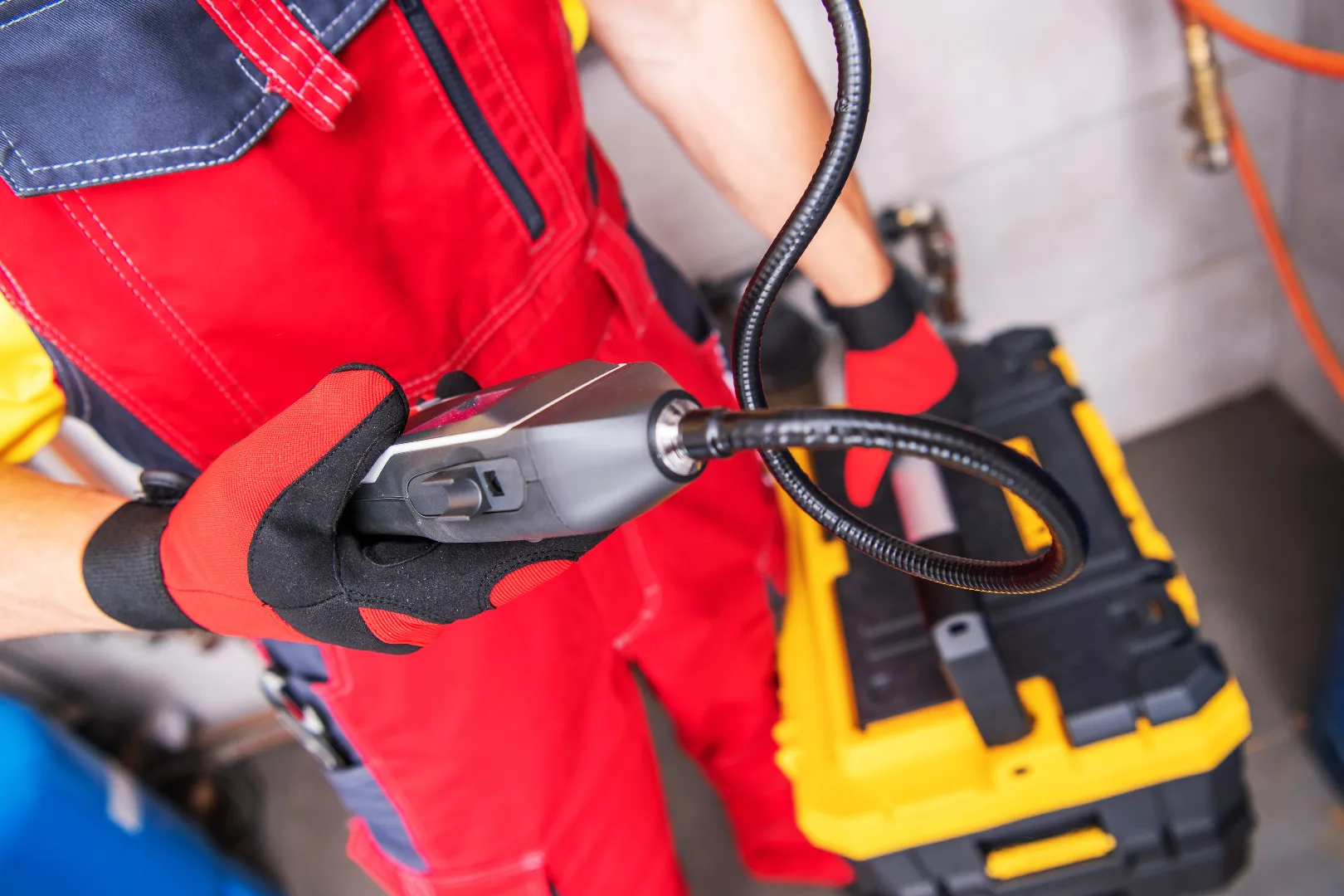
What Is a Sewer Camera Inspection?
A sewer camera inspection involves inserting a waterproof, high-definition camera mounted on a flexible cable into your drain or sewer line. The camera transmits real-time video to a monitor, allowing the plumber to see exactly what is inside your pipes: their condition, any obstructions, cracks, root intrusion, pipe offsets, and the overall structural integrity of the line.
Modern inspection cameras are equipped with LED lighting, self-levelling heads, and built-in locators that allow the plumber to pinpoint the camera's exact underground location from above ground using a surface receiver. This means if a problem is found, say a cracked pipe section at a certain depth, the plumber can mark the exact location on the surface without any excavation, making repair planning and cost estimation far more accurate.
The camera is typically inserted through a floor drain, toilet base, cleanout access point, or an exterior sewer cleanout at the property line. The cable is fed through the pipe in increments while the plumber watches the monitor, noting any issues found and their distance from the insertion point. A full residential sewer inspection from the house to the municipal connection typically travels 30 to 60 metres of pipe depending on property depth.
What Can a Sewer Camera Reveal in a Toronto Home?
Toronto's aging sewer infrastructure means that sewer inspection Toronto cameras frequently uncover serious problems that would otherwise go undetected for years. Here are the most common issues found during drain camera inspection Toronto GTA visits:
- Root intrusion. This is the most common finding in Toronto's older neighbourhoods, particularly in Etobicoke, North York, East York, Scarborough, and the pre-war street grids of the central city. Tree roots seek water and infiltrate pipe joints, then grow to fill and eventually fracture the pipe. Left untreated, roots cause repeated sewer backup Toronto events and ultimately destroy the pipe.
- Pipe cracks and fractures. Clay pipes installed in the mid-20th century are brittle. Ground movement, soil settling, and frost heave in Toronto winters cause sections to crack. A crack allows groundwater infiltration and can collapse entirely under soil pressure.
- Corrosion and deterioration. Older cast iron drain pipes inside homes corrode from the inside out over decades. Heavy corrosion causes pinhole leaks and eventually full pipe failure.
- Grease and debris buildup. Kitchen drain lines frequently accumulate layers of solidified grease, food debris, and soap scum that reduce flow capacity. A camera shows exactly how restricted the pipe is and over what length.
- Offset or misaligned pipe sections. Where pipe sections have shifted out of alignment, due to ground movement, poor original installation, or frost damage, the camera reveals the offset, which traps waste and is often the true cause of recurring blockages.
- Bellied pipes. A sagging section of pipe, caused by soil settlement under the pipe, creates a low point where solids settle and accumulate, leading to persistent slow drains and blockages. Bellied pipes cannot be cleaned permanently; the belly must be excavated and corrected.
- Backwater valve condition. Many Toronto homes have mandatory backwater valves installed on the sewer line to prevent municipal sewer backup from entering the basement. A camera inspection checks that the valve is present, functional, and not obstructed.
When Should Toronto Homeowners Get a Sewer Camera Inspection?
A sewer camera inspection is not only for emergencies. There are several situations where a proactive inspection makes clear financial sense:
- Buying a home in Toronto, especially pre-1980 construction. A standard home inspection does not include sewer line assessment. Homes built before 1980 frequently have clay pipe sewers and cast iron drains that are approaching or past end of life. Discovering a $10,000 sewer line replacement need after closing is a common and preventable homebuyer shock.
- Recurring drain backups or clogs. If your drains back up every few months despite repeated cleaning, the root cause is structural, such as a belly, root intrusion, or collapse, not just accumulated debris. A camera identifies the real problem so the right repair can be performed once instead of cleaning the same symptom repeatedly.
- Slow drains throughout the house. When multiple fixtures drain slowly, not just one sink or tub, the problem is in the main drain line shared by all fixtures, not a fixture-specific drain. A camera pinpoints where in the main line the restriction or damage exists.
- Gurgling sounds from multiple drains. Gurgling or bubbling when flushing the toilet or draining a bathtub indicates a venting or main line problem. Camera inspection confirms whether it's a blockage, a partial collapse, or a venting issue.
- Before or after major renovation. Before a kitchen or bathroom renovation that will add drain loads to the existing system, confirming the sewer line is sound prevents expensive problems during the renovation. After renovation, a camera confirms no accidental damage was done during excavation or foundation work near the sewer line.
- After a tree removal near the sewer line path. When a large mature tree whose roots have potentially invaded the sewer line is removed, a camera inspection confirms whether root intrusion occurred and whether any pipe sections were damaged during removal.
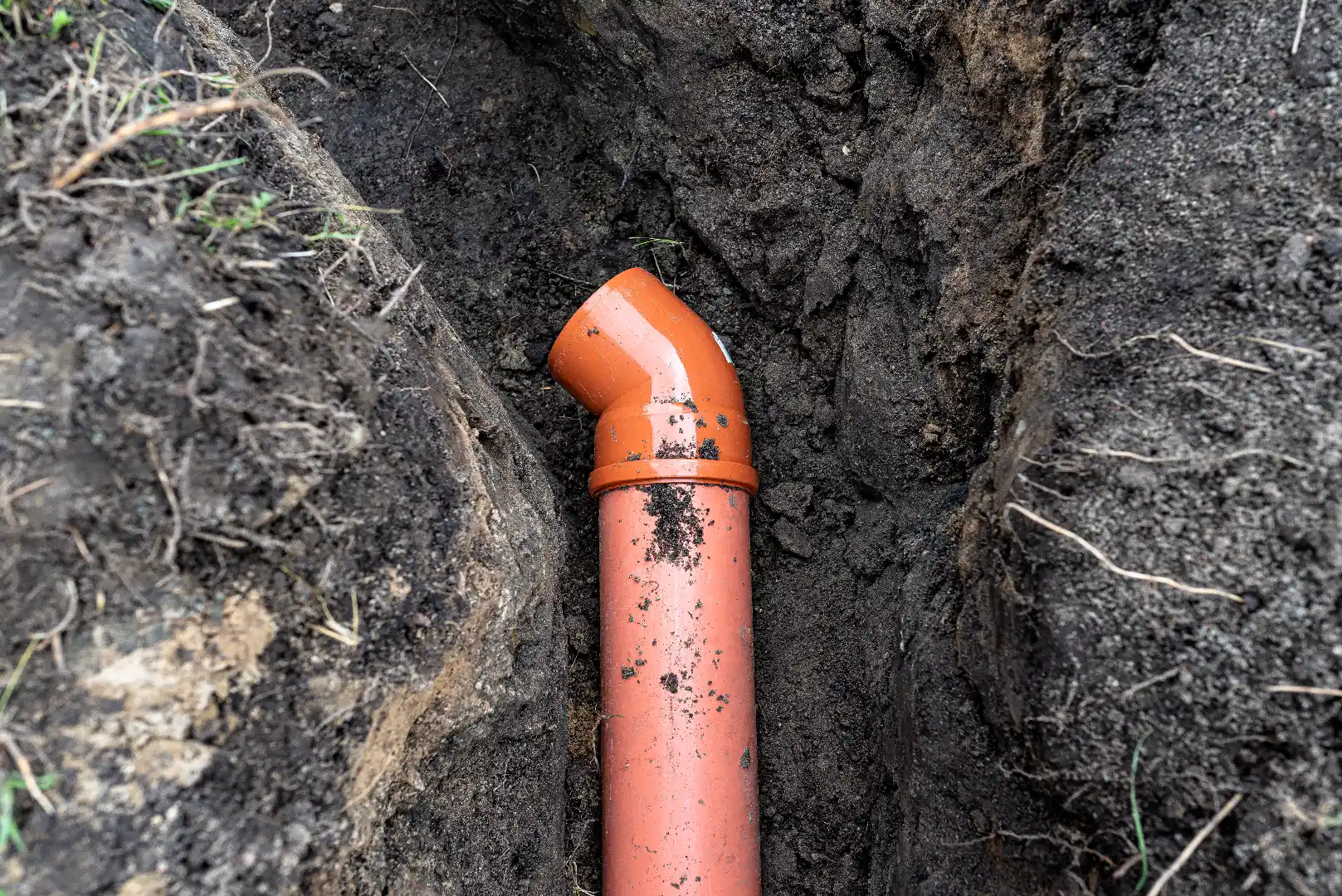
The Sewer Camera Inspection Process: Step by Step
Understanding what happens during a sewer camera inspection helps Toronto homeowners know what to expect and what questions to ask. Here's the complete process:
- Access point identification. The plumber locates the best access point, often a cleanout, a ground-level cleanout outside near the foundation, or a toilet base. Using a cleanout is preferable as it avoids any risk of toilet seal damage.
- Camera insertion and initial assessment. The flexible cable with the camera head is fed into the pipe. The plumber watches the monitor as the camera travels through the line, narrating findings and noting the distance counter on the reel.
- Problem documentation. When a problem is found, such as root intrusion, a crack, or a belly, the plumber notes the distance from the insertion point and often marks its surface location using the camera's built-in locating transmitter and a surface receiver unit. On the monitor, many systems display the depth and location coordinates of the camera head.
- Full line traverse. The camera travels the full length of the sewer line to the municipal connection or as far as conditions allow, ensuring the entire line is assessed, not just the first problem found.
- Reporting. After the inspection, the plumber provides a verbal summary and, with many Toronto plumbing companies, a written report and recorded video of the inspection on USB or emailed link. This documentation is valuable for insurance purposes, home sale disclosure, and repair planning.
How Much Does a Sewer Camera Inspection Cost in Toronto?
A standalone residential sewer camera inspection in Toronto typically costs $200 to $400, depending on the length of the sewer line, accessibility of the access point, and whether a written report and video recording are included. Some plumbing companies offer camera inspection as part of a drain cleaning service call; if you're having the main line cleaned anyway, it is often worth requesting a camera inspection be performed afterward to assess the pipe condition following cleaning.
For home purchases, some real estate-focused plumbing companies offer discounted pre-purchase sewer scopes at $175 to $250 with a fast turnaround to accommodate inspection periods. This is money extremely well spent relative to the potential cost of discovering a failed sewer line post-closing. A professional sewer camera inspection in Toronto is one of the highest-value diagnostic services available relative to its cost.
Camera Inspection vs. Guessing: The Real Cost Comparison
Consider the alternative to camera inspection: guessing. A plumber responding to a main line backup without camera equipment must choose between multiple possible causes, such as root intrusion, grease blockage, pipe belly, offset joint, or collapse, without being able to see the pipe. The wrong diagnosis means the wrong repair, and in sewer line work, the wrong repair can cost thousands.
Example: a Toronto homeowner with recurring main line backups pays $300 for a snaking service. The drain flows for two months, then backs up again. Another $300 snaking. Six months later, another backup. Two years and $1,800 in repeat snaking bills later, a camera inspection reveals a severe belly in the pipe 12 metres from the house, a structural problem that snaking can never permanently resolve. The $200 camera inspection at the start would have identified the belly, and one $3,500 targeted repair would have resolved the problem permanently, saving money and years of recurrence.
When the diagnosis is wrong, so is the repair. Camera inspection eliminates this guesswork entirely.
What Happens After the Camera Inspection?
After a sewer camera inspection, the plumber presents findings in three possible categories: the pipe is in good condition (great news, no action needed); the pipe has a problem that can be addressed with cleaning or minor repair; or the pipe has structural damage requiring repair or replacement.
For structural issues, the plumber will recommend options based on what the camera revealed. Root intrusion in an otherwise sound pipe may be addressable with hydro jetting followed by root treatment. A cracked or collapsed section may require excavation and pipe section replacement. A deteriorated full-length pipe may be a candidate for trenchless sewer line repair using CIPP (cured-in-place pipe lining), which inserts a new pipe liner inside the old one without excavation.
A reputable Toronto plumber will provide written repair options with pricing for each, explain the trade-offs, and allow you to make an informed decision. Be wary of any company that performs a camera inspection and immediately insists on a $10,000+ repair without showing you the footage or offering alternative solutions. If the camera reveals an active collapse or sewage backup situation, emergency plumbing service may be needed immediately rather than waiting to plan a repair.
Can You Get a Camera Inspection for a Home Purchase in Toronto?
Yes, and the Toronto real estate community is increasingly aware of sewer scope inspections as a standard due diligence step, particularly for older homes. A standard home inspection typically covers visible plumbing inside the home but does not assess the underground sewer line condition. The sewer line is one of the most expensive components of a home to repair or replace, and its condition cannot be assessed without camera equipment.
For homes built before 1970, and there are many in Toronto's established neighbourhoods of Rosedale, Forest Hill, the Annex, High Park, Leslieville, and East End, the sewer line is likely original clay tile pipe. These pipes are 50+ years old, prone to root intrusion, and frequently near the end of their service life. A pre-purchase camera inspection costing $200 to $300 provides the information needed to negotiate repair credits from the seller or make an informed decision to walk away from a home with a $15,000 sewer replacement looming.
Do Toronto Plumbers Provide Camera Inspection Reports?
Quality sewer camera inspection services in Toronto should always include documentation. A professional inspection report should include: a written summary of all findings with their distance from the inspection access point; photographs or video stills of significant findings; the recorded video of the full inspection on USB drive or digital download; GPS or surface-marked location of any problem areas requiring repair; and recommended next steps with repair options.
This documentation is valuable for multiple purposes: it supports insurance claims if damage has occurred, provides disclosure documentation for a home sale, serves as a baseline record for future comparison, and is required by some contractors before authorizing trenchless pipe repair. Always request documentation as part of your inspection service; any plumber performing professional camera inspections will have this capability built into their workflow.
Frequently Asked Questions
How long does a sewer camera inspection take?
A standard residential sewer camera inspection in Toronto takes approximately 45 minutes to 1.5 hours, depending on the length of the sewer line, the number of issues found, and access point conditions. Homes on larger lots with longer service lines from house to municipal connection take longer. If significant root intrusion or multiple problem areas are found, the plumber will spend more time documenting each finding accurately. Allow 90 minutes to be safe, and plan to be present so the plumber can walk you through findings on the monitor in real time.
Can a camera inspection find all sewer problems?
Camera inspection is the most comprehensive diagnostic method available for sewer lines and finds the vast majority of issues, including root intrusion, cracks, collapses, offsets, bellies, grease buildup, and blockages. There are some limitations: cameras cannot see through severe blockages until the blockage is cleared, cannot assess pipe wall thickness (separate acoustic tools are needed for that), and may have difficulty negotiating extremely tight bends in older pipe configurations. For most Toronto residential sewer lines, camera inspection provides a complete and accurate picture of pipe condition. Combining camera inspection with a professional drain cleaning before inspection ensures maximum visibility through the full line.
Do I need a sewer camera inspection before buying a house in Toronto?
For any Toronto home built before 1980, a sewer camera inspection is strongly recommended as part of the purchase due diligence process. Standard home inspections do not assess underground sewer lines. Clay tile sewer pipes common in pre-1980 Toronto homes are now 40 to 70+ years old, and many require significant repair or replacement. The cost of a sewer scope ($200–$300) is minimal relative to the potential cost of discovering a failed sewer line post-closing. Many Toronto real estate agents now routinely recommend sewer scopes alongside standard home inspections for older properties.
What happens if the camera finds a problem?
If the camera inspection reveals a sewer problem, the plumber will explain the finding, show you the video footage, and present repair options with pricing. Minor issues like soft root intrusion may be addressable with hydro jetting and root treatment. Structural damage such as cracks, collapsed sections, or severe bellies will require targeted excavation and pipe repair or trenchless lining. The camera report and footage provide everything needed to get second opinions and multiple repair quotes if desired. No reputable plumber will pressure you into an immediate decision during the inspection; the goal is diagnosis, and repair timing is your decision.
Is a sewer camera inspection included in the cost of repair?
It depends on the company and the situation. Many Toronto plumbers include a camera inspection in the cost of a main line drain cleaning service; the camera goes in after the line is cleared to assess pipe condition. For standalone diagnostic inspections, the $200 to $400 fee is typically charged separately. Some companies will credit the camera inspection fee toward repair work if you proceed with them for the repair. Ask upfront whether the inspection fee applies as a credit; this is a common and reasonable arrangement that incentivizes the customer to proceed without pressuring them into unnecessary work.
Still Have a Sewer Camera Inspection Problem in Toronto & GTA?
Describe your sewer camera inspection issue below and a licensed Toronto & GTA plumber will call you back in under 15 minutes. No answering service, no voicemail.
- Licensed & Insured Master Plumbers
- 60-Minute Emergency Response in Toronto & GTA
- Real Plumber Answers, No Answering Service
- Upfront Pricing Before Any Work Begins
- 24/7 Service, 365 Days a Year Including Holidays
Limited Same-Day Spots Available Today
Our dispatch fills quickly. Submit now to secure your slot.
Get a Free Quote in 15 Minutes
Takes 30 seconds to fill out. We'll do the rest.